4
TO ENSURE SAFETY
TO ENSURE SAFETY
DANGER
Be sure to also inform users of the following:
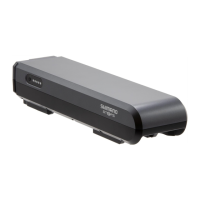
Handling the battery:
• Use the specified battery charger for charging and observe the specified charging
conditions. Doing otherwise may cause overheating, bursting, or ignition.
• Do not leave the battery near sources of heat such as heaters. Doing so may cause
bursting or ignition.
• Do not heat the battery or throw it into a fire. Doing so may cause bursting or ignition.
• Do not deform, modify, disassemble, or apply solder directly to the battery. Doing so may
cause leakage, overheating, bursting, or ignition.
• Do not connect the terminals with metallic objects. Doing so may cause them to short
circuit or overheat, and result in burns or injury.
• Do not carry or store the battery together with metallic objects such as necklaces or
hairpins. Doing so may cause them to short circuit or overheat, and result in burns or
injury.
• Do not place the battery into fresh water or sea water, and do not allow the battery
terminals to get wet. Doing otherwise may cause it to overheat, burst, or ignite.
• Do not throw or subject the battery to strong shock. Doing so may cause overheating,
bursting, or ignition.
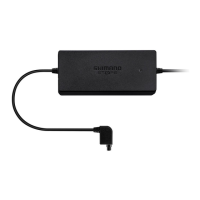
Handling the battery charger:
• Do not allow the battery charger to get wet. If it is wet or water is allowed inside, it
could cause a fire, ignition, overheating, or electric shock.
• Do not use it while it is wet, and do not touch or hold it with wet hands. An electric
shock may occur.
• Do not use the battery charger when it is covered with a cloth or other material. Doing
otherwise may cause the heat to build up and the case may become deformed, or fire,
ignition, or overheating may occur.
• Do not disassemble or modify the battery charger. If this is not observed, electric shocks
or injury may occur.
• Use the battery charger at the specified power supply voltage only. If a power supply
voltage other than that specified is used, fire, destruction, smoke, overheating, electric
shocks or burns may occur.




 To Next Page

