12
Do not use this Instrument unless qualified to recognize shock hazards and
trained in the safety precautions required to avoid injury. Become familiar with the
Definition of Shock Hazard explained on Page 3 of this manual.
1. Do not work alone when measuring where a shock hazard may exist. Make
certain that someone capable of giving aid is close by and is alert to potential
problems.
2. Turn OFF the power to the equipment under test. Discharge any capacitors in
the circuit before connecting or disconnecting the Instrument.
3. Be aware that voltages can appear unexpectedly in defective equipment.
For example, an open bleeder resistor can allow a capacitor to retain a danger-
ous charge.
4. Locate all voltage sources and accessibility paths before making any connec-
tions or measurements.
5. Before using the Instrument, inspect the test leads and connectors for damage.
Do not use, or permit the use of, damaged equipment.
6. Make sure hands and shoes, as well as floor and workbench, are dry.
Avoid making measurements under damp and humid conditions.
7. Never touch the test leads, circuit or Instrument while power is applied to the
circuit being measured.
8. Do not use test leads different from those originally furnished with the Instru-
ment.
7. MEASUREMENT PROCEDURES
7.1 General
Measurement of current leakage involves a series of procedures:
1. Preparation
2. Voltage Measurement
3. Burn Hazard Network Measurement
4. Shock Hazard Network Measurement
5. Polarity Reversal Measurements
For a typical single unit test, all procedures are performed in sequence and the
instructions that follow cover the complete series. However, for testing of a group
of products or for special purpose applications, qualified users might only need to
use a selected part of the full procedure.
Do not touch the equipment under test with power applied until voltage and
current leakage measurements are within accepted limits.
NOTE: The following is based on set-up and test procedures from the applicable
standards document (or from the equipment manufacturer) for correct main con-
nection, detailed test procedures and leakage current limits.
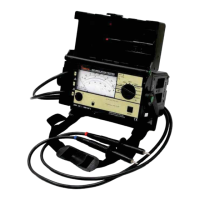
Figure 4, Page 13, shows a typical test setup. All items other than the 228 and its
accessories must be provided by the user.
!



 To Next Page