EasyManua.ls Logo

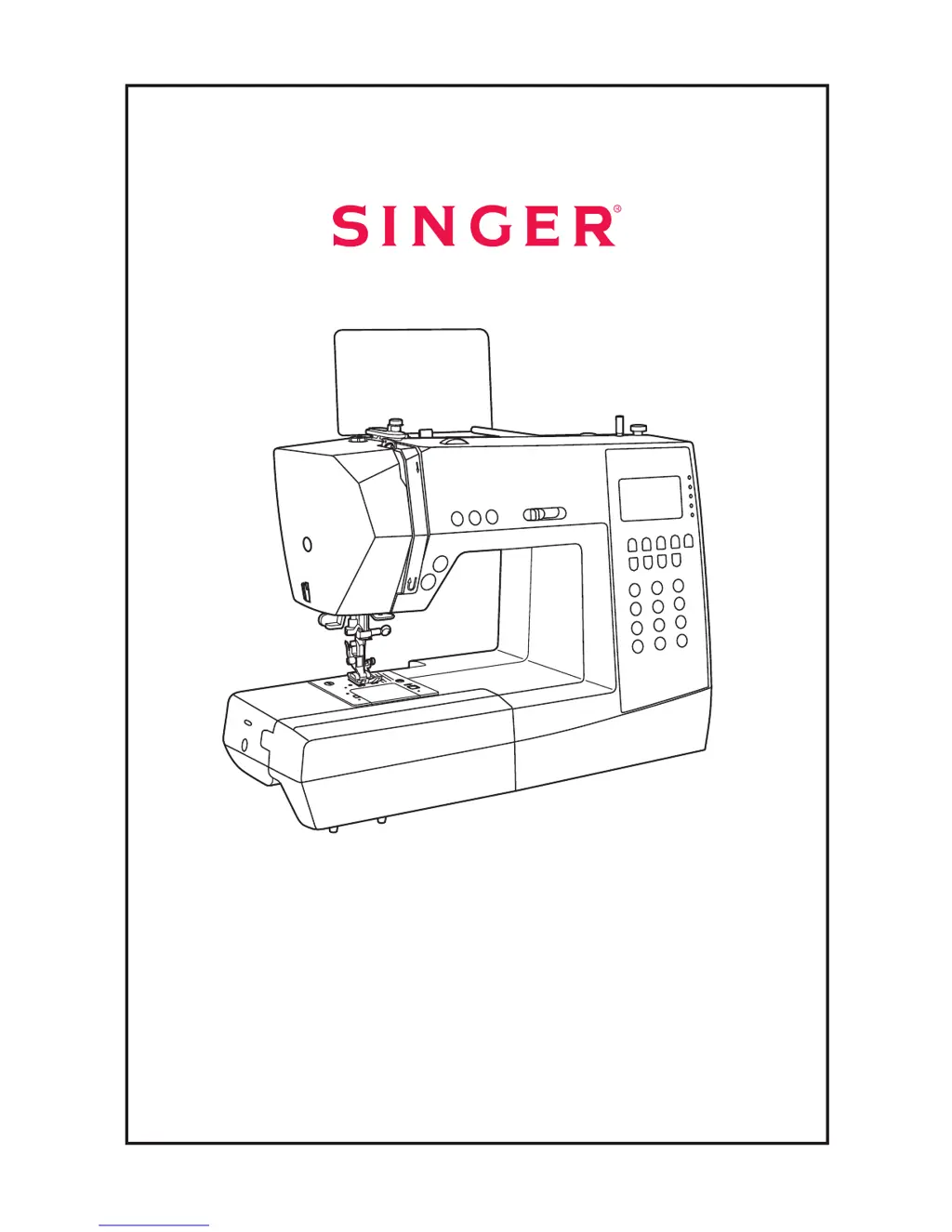
Singer H74 - User Manual

Singer H74
86 pages
Print Icon
To Next Page IconTo Next Page
Loading...
Instruction Manual
H74

Table of Contents

Questions and Answers

  • E
    eileen95Aug 17, 2025
    Why does my Singer Sewing Machine upper thread keep breaking?
    • S
      Stephanie SandersAug 17, 2025
      There are several reasons why the upper thread might be breaking. It could be that the machine is not threaded correctly, so try rethreading it. The thread tension might be too tight; reduce it. The thread could be too thick for the needle, so select a larger needle. Ensure the needle is inserted correctly with the flat side towards the back, or the needle might be damaged and needs replacement. Also, check if the thread is wound around the spool holder pin and unwind it.
  • D
    dominiquecooperAug 20, 2025
    What to do if my Singer Sewing Machine is skipping stitches?
    • R
      russelljohnsonAug 20, 2025
      If your sewing machine is skipping stitches, it could be due to several reasons. Check if the needle is inserted correctly (flat side towards the back) and replace it if damaged. Ensure you are using the correct size needle for the thread. Verify that the foot is correctly attached. Also, the machine might not be threaded correctly, so try rethreading it.
  • E
    Elijah WatkinsAug 22, 2025
    How to prevent needle breaks in my Singer H74 Sewing Machine?
    • B
      Barbara JohnsonAug 22, 2025
      To prevent needle breaks, ensure the needle is not damaged and insert a new one if needed. Make sure the needle is correctly inserted with the flat side towards the back. Use the correct needle size for the fabric you are sewing. Select the correct foot for the sewing task. Tighten the needle clamp screw with a screwdriver. Ensure the presser foot is appropriate for the stitch type. If the upper thread tension is too tight, loosen it.
  • J
    James VasquezAug 26, 2025
    Why are my Singer H74 Sewing Machine stitches loose?
    • S
      Sandra PerryAug 26, 2025
      Loose stitches can occur if the machine is not correctly threaded, so check the threading. Also, ensure the bobbin case is threaded as illustrated. The needle, fabric, and thread combination might be incorrect; the needle size must suit the fabric and thread. Finally, the thread tension could be wrong, so correct it.
  • A
    Abigail RiveraAug 27, 2025
    What causes the lower thread to break on a Singer H74 Sewing Machine?
    • B
      Brian JohnsonAug 27, 2025
      Lower thread breakage can occur if the bobbin case is not inserted correctly. Remove and reinsert the bobbin case, then pull on the thread; it should pull easily. Also, the bobbin case might be threaded wrong, so check both the bobbin and bobbin case.
  • J
    Jordan RayAug 30, 2025
    How to fix seam puckering on my Singer Sewing Machine?
    • T
      Tyler SmithAug 30, 2025
      Seam puckering can be caused by several factors. The needle thread tension might be too tight, so loosen it. The needle thread might not be threaded correctly; rethread the machine. The needle could be too heavy for the fabric, so choose a needle to suit the thread and fabric. Also, the stitch length might be too long for the fabric, so shorten it.
  • V
    Vincent HaynesSep 2, 2025
    What to do if my Singer Sewing Machine jams?
    • T
      Tina MerrittSep 2, 2025
      If the machine jams, it might be because thread is caught in the hook. Remove the upper thread and bobbin case. Turn the handwheel backwards and forwards by hand and remove the thread remnants.
  • J
    Jonathan BlankenshipSep 4, 2025
    What to do if my Singer Sewing Machine doesn't operate?
    • P
      Pamela Snyder MDSep 4, 2025
      If the sewing machine doesn't operate, first ensure the machine is turned on. Check if the Start/stop button was pressed. Make sure the presser foot lever is lowered. If the foot controller is connected, do not use the Start/stop button; disconnect the foot controller to use it. Also, check for any thread caught in the hook race and remove the upper thread and bobbin case, turning the handwheel to remove remnants. Finally, verify that the machine is plugged into the electric outlet.
  • K
    Kristina KirkSep 6, 2025
    Why is my Singer H74 Sewing Machine so noisy?
    • L
      lellisSep 6, 2025
      A noisy machine can be due to lint or oil collected on the hook or needle bar; clean the hook and feed dog as described. The needle could be damaged, so replace it. A slight humming sound from the internal motor is normal. Also, thread caught in the hook can cause noise; remove the upper thread and bobbin case, turn the handwheel backwards and forwards by hand, and remove any thread remnants.
  • S
    Sharon KellySep 9, 2025
    How do I stop my Singer H74 seam from gathering?
    • R
      Robert HughesSep 9, 2025
      Seam gathering or puckering can occur if the needle is too thick for the fabric, so select a finer needle. The stitch length might be adjusted wrong, so readjust it. Additionally, the thread tension might be too tight, so loosen it.

Summary

Symbol Instructions

Raise Needle Symbol

Illustrates the symbol for raising the sewing machine needle.

Raise Presser Foot Symbol

Illustrates the symbol for raising the presser foot.

Lower Presser Foot Symbol

Illustrates the symbol for lowering the presser foot.

Important Safety Instructions

Electrical Shock Prevention

Safety guidelines to reduce the risk of electrical shock.

Burn, Fire, Injury Prevention

Safety guidelines to prevent burns, fire, and injuries.

Principal Parts of the Machine

Machine Components Identification

Diagrams identifying main parts of the sewing machine.

Machine Control Buttons

Operation Buttons (A)

Description of start/stop, thread cutter, reverse, auto-lock, and needle position buttons.

Function Buttons (B)

Explanation of stitch width, length, mode, twin needle, mirror, and elongation buttons.

Selection Buttons (C)

Details on edit, memory, clear, and pattern selection buttons.

LCD Screen

Pattern Display Overview

Explains icons and data shown for pattern selection.

Memory and Elongation Display Icons

Details on display indicators for memory and elongation functions.

Pattern Chart

Stitch Patterns A, B, C Overview

Catalog of stitch patterns in Group A, B, and C.

Alphabet Patterns Overview

Chart of block and script style alphabet patterns.

Accessories

Standard Accessories List

Lists common accessories included with the machine.

Optional Accessories List

Lists optional accessories available for purchase.

Connecting the Machine to the Power Source

Power Connection Steps

Instructions for connecting the sewing machine to power.

Polarized Plug Information

Guidance on polarized plug safety and usage.

Winding the Bobbin

Bobbin Winding Procedure

Step-by-step guide for winding a bobbin.

Bobbin Winding Steps 6-10

Continues bobbin winding instructions and stopping the process.

Inserting the Bobbin

Bobbin Case Insertion Guide

Instructions for correctly inserting the bobbin and thread.

Threading the Upper Thread

Upper Threading Process Steps 1-2

Initial steps for threading the upper thread.

Upper Threading Process Steps 3-7

Completes the upper thread path to the needle.

Using the Needle Threader

Needle Threader Operation Steps

Detailed instructions on using the automatic needle threader.

Drawing Up the Lower Thread

Lower Thread Pickup Steps

Procedure for bringing the bobbin thread up through the needle plate.

Cutting the Thread

Thread Cutter Function Guide

Instructions on using the built-in thread cutter.

Two-Step Presser Foot Lifter

Presser Foot Height Adjustment Guide

Explains how to raise the presser foot to two levels.

Adjusting Presser Foot Pressure

Presser Foot Pressure Control Guide

How to adjust presser foot pressure for different fabrics.

Starting Sewing

Start;Stop Button Operation

Using the start/stop button for sewing without the foot controller.

Foot Control Operation

How to connect and use the foot control pedal.

Thread Tension

Thread Tension Adjustment Guide

Explains basic tension settings and adjustments for stitch quality.

Changing the Presser Foot

Presser Foot Attachment;Removal

Steps for attaching and removing the presser foot.

Attaching Edge;Quilting Guide

How to attach the edge or quilting guide.

Presser Foot Chart

Presser Foot Applications Overview

Chart detailing presser feet and their sewing applications.

Matching Needle; Fabric; Thread

Material Selection Guide

Recommendations for needle, fabric, and thread combinations.

Replacing the Needle

Needle Replacement Procedure

Steps for correctly replacing the sewing machine needle.

Raise or Lower the Feed Dogs

Feed Dog Adjustment Guide

Instructions on how to raise or lower the feed dogs.

Operation Buttons

Start;Stop and Thread Cutter Buttons

Details on the start/stop and thread cutter button functions.

Reverse and Auto-lock Buttons

Explains the reverse and auto-lock button functions.

Needle Up;Down Position Button

How to use the needle up/down position button.

Function Buttons

Stitch Width Adjustment Buttons

How to adjust the stitch width for various patterns.

Stitch Length Adjustment Buttons

How to adjust the stitch length for various patterns.

Mode Selection Button

How to navigate through different sewing modes.

Function Buttons (Continued)

Elongation Button

How to elongate stitch patterns.

Mirror Button

How to create a mirror image of a stitch pattern.

Twin Needle Button

Function of the twin needle button for stitch width.

Selection Buttons

Direct Pattern and Number Buttons

Selecting patterns using direct buttons and number keys.

Edit Button Functions

How to edit stitch settings in memory mode.

Memory Button Functions

How to enter and store patterns in memory.

Clear Button Functions

How to clear selected patterns or characters.

Sewing Tips

Sewing Corners Technique

Guide to sewing clean corners with fabric pivoting.

Reverse Stitching Technique

How and when to use reverse stitching for reinforcement.

Free Arm Sewing

Using the free arm for sewing tubular areas.

More Features

Installing the Extension Table

Steps for attaching the extension table.

Sewing on Heavy Fabrics

Techniques for sewing thick or multiple fabric layers.

Needle Position and Stitch Length

Changing the Needle Position

How to adjust needle position using stitch width buttons.

Changing the Stitch Length

Adjusting stitch length for different fabric types.

Zigzag Stitches

Adjusting the Zigzag Stitch Width

Guide to setting zigzag stitch width from 0.0 to 7.0mm.

Adjusting the Zigzag Stitch Length

Guide to adjusting zigzag stitch density (length).

Stretch Stitches

Stretch Stitch Applications

Information on using stretch stitches for flexibility.

Overcasting Stitches

Using the Overcasting Foot

Technique for overcasting with the dedicated foot.

Using the All Purpose Foot

Overcasting edge finishing using the all-purpose foot.

Blind Hems

Blind Hem Stitching Technique

Guide to creating blind hems on woven and stretch fabrics.

Button Sewing

Button Sewing Procedure

Steps for sewing buttons with 2 or 4 holes.

Buttonhole Sewing

Buttonhole Stitch Types and Sizes

Overview of different buttonhole stitches and their fabric suitability.

Buttonhole Sewing Steps

Detailed instructions for sewing buttonholes.

Buttonhole Cutting

Guidance on correctly cutting buttonholes after sewing.

Making Corded Buttonholes

Corded Buttonhole Technique

Instructions for sewing buttonholes with cord for a raised effect.

Bar Tack Stitch

Bar Tack Stitch Application

How to sew bar tacks for reinforcement.

Eyelet Stitch

Eyelet Stitch Procedure

Steps for sewing eyelets of different sizes.

Darning Stitch

Darning Stitch Technique

Instructions for darning fabric using the machine.

Darning Stitch Technique (Continued)

Further steps and notes for effective darning.

Zipper Insertion

Inserting a Centered Zipper

Step-by-step guide for sewing centered zippers.

Inserting a Lapped Zipper

Instructions for sewing lapped zippers.

Narrow Hemming

Narrow Hemming Technique

How to create narrow hems using the rolled hem foot.

Cording

Single Cording Technique

Guide for sewing with a single strand of cord.

Triple Cording Technique

Guide for sewing with three strands of cord.

Satin Stitch Sewing

Satin Stitch Application

Using the satin stitch foot for decorative stitching.

Edge;Quilting Guide

Edge;Quilting Guide Usage

How to use the edge/quilting guide for parallel stitching.

Gathering

Gathering Fabric Techniques

Methods for gathering fabric and attaching it.

Smocking

Smocking Technique

Instructions for creating smocking patterns.

Free Motion Sewing

Free Motion Darning

Guide to performing free motion darning.

Embroidery and Monogramming

Instructions for free motion embroidery and monogramming.

Walking Foot

Walking Foot Attachment and Use

How to attach and use the walking foot for even fabric feeding.

Side Cutter

Side Cutter Attachment and Use

How to attach and use the side cutter for trimming.

Roller Foot

Roller Foot Application

Using the roller foot for difficult-to-sew fabrics.

Straight Stitch Foot

Straight Stitch Foot Use

Using the straight stitch foot for lightweight fabrics.

Open Toe Foot

Open Toe Foot Visibility

Using the open toe foot for better visibility of the stitching area.

1;4 Piecing Foot

1;4 Piecing Foot for Quilting

Using the 1/4" piecing foot for quilting seam accuracy.

Edge Joining Foot

Edge Joining Foot for Lace

How to use the edge joining foot for applying lace edgings.

Invisible Zipper Foot

Invisible Zipper Foot Installation

Steps for installing and sewing with the invisible zipper foot.

Non-Stick Foot

Non-Stick Foot for Difficult Fabrics

Using the non-stick foot for fabrics like leather or vinyl.

Fagoting

Fagoting Technique

Instructions for creating fagoting stitches.

Decorative Topstitching

Decorative Topstitching Guide

How to perform decorative topstitching over seams.

Scallop Stitch

Scallop Stitch Applications

Techniques for scallop hem and scallop edging.

Elongation

Stitch Elongation Function

How to elongate stitch patterns up to five times their normal length.

Mirror Image

Mirror Image Stitch Function

How to create a mirror image of a stitch pattern.

Using the Twin Needle

Twin Needle Sewing Instructions

Guide for using a twin needle for parallel stitching.

Memory

Pattern Memory Functions

Combining, adding, editing, clearing, and recalling patterns.

Pattern Memory Functions (Continued)

More on editing, clearing, and adding patterns to memory.

Recalling and Sewing Memorized Patterns

How to recall and sew patterns stored in memory.

Warning Functions

Machine Warning Indicators

Animation and sound alerts for machine problems or status.

Warning Beeping Sound

Explanation of different beeping sounds and their meanings.

Buzzer Sound

Buzzer Sound Setting

How to select or turn off the buzzer sound.

Maintenance

Cleaning the Screen

Instructions for cleaning the LCD screen.

Cleaning the Sewing Machine Surface

Guide for cleaning the exterior of the sewing machine.

Cleaning the Hook

Procedure for cleaning the hook race and bobbin holder.

Cleaning the Hook (Continued)

Further steps for cleaning the hook mechanism.

Trouble Shooting Guide

Problem and Solution Reference

Table listing common problems, causes, and corrections.

Problem and Solution Reference (Continued)

More common issues and their troubleshooting steps.

Stitch Adjustment Reference Chart

Stitch Parameter Guide (A, B Groups)

Chart of stitch patterns and adjustable parameters for A and B groups.

Stitch Parameter Guide (Buttonhole, Eyelet, Darning, etc.)

Chart for buttonhole, eyelet, darning, satin, and decorative stitches.

Stitch Parameter Guide (C Group)

Chart of stitch patterns and adjustable parameters for C group.

Stitch Parameter Guide (Decorative Stitches)

Chart for additional decorative stitch parameters.

Singer H74 Specifications

General IconGeneral
BrandSinger
ModelH74
CategorySewing Machine
LanguageEnglish

Related product manuals