EasyManua.ls Logo

Singer HD6620C - User Manual

Singer HD6620C
120 pages
Print Icon
To Next Page IconTo Next Page
Loading...
00 01 02 03 04 05 06 07 08 09 10 11 12 13 14 15 16 17 18 19
20 21 22 23 24 25 26 27 28 29 30 31 32 33 34 35 36 37 38 39
40 41 42 43 44 45 46 47 48 49 50 51 52 53 54 55 56 57 58 59
60 61 62 63 64 65 66 67 68 69 70 71 72 73 74 75 76 77 78 79
80 81 82 83 84 85 86 87 88 89 90 91 92 93 94 95 96 97 98 99
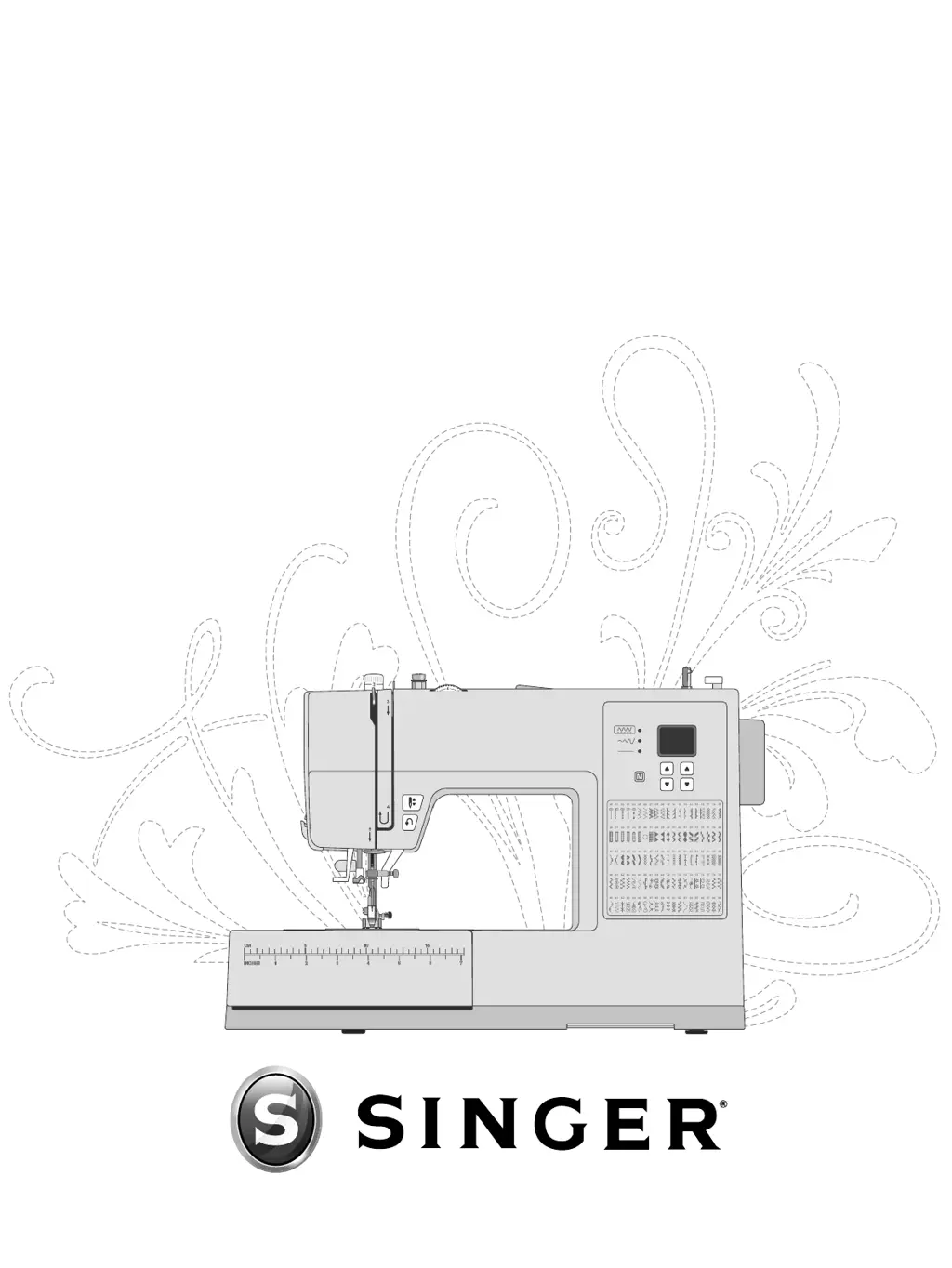
INSTRUCTION MANUAL
HD6620C

Table of Contents

Questions and Answers

  • A
    Alexander BarnesAug 18, 2025
    Why is the upper thread breaking on my Singer HD6620C?
    • D
      Dr. Marcus ThompsonAug 18, 2025
      The upper thread may be breaking because the thread path is obstructed, the machine isn't threaded correctly, or the upper tension is too tight. Check if the thread is caught on the thread spool or behind the spool pin. If not, remove the upper thread completely, raise the presser foot lifter, and rethread the machine. You may also need to reduce the upper thread tension.
  • J
    Jonathan GuerreroAug 20, 2025
    Why is my Singer HD6620C skipping stitches?
    • S
      Sarah WalterAug 21, 2025
      Skipping stitches can occur if the needle is inserted incorrectly, you're using the wrong needle for the fabric, or the needle is bent, dull, or damaged. Check that the flat side of the needle top is toward the back of the machine and the needle is up as far as it can go. Use the correct needle style and size for your fabric. Discard the needle and insert a new needle if it is bent, dull, or damaged.
  • L
    Leslie WilsonAug 23, 2025
    Why is the bobbin thread breaking on my Singer Sewing Machine?
    • D
      Darrell DuncanAug 23, 2025
      The bobbin thread may be breaking for a few reasons: the bobbin might be threaded incorrectly, wound too full or unevenly, there might be dirt or lint in the bobbin holder, or you might be using the wrong bobbins. Check that the bobbin is placed correctly in the bobbin holder. Ensure the bobbin thread was correctly placed into the bobbin winding tension disc during the bobbin winding process. Clean the bobbin holder. Use bobbins that are the same style as those that come with the machine (SINGER® Class 15 transparent bobbins) – don’t substitute.
  • J
    Jesse JacobsonAug 26, 2025
    Why is my Singer HD6620C Sewing Machine not feeding fabric?
    • A
      alvaradoveronicaAug 26, 2025
      If your sewing machine isn't feeding fabric, it could be because the presser foot lifter hasn't been lowered onto the fabric after threading, the feed teeth need to be raised and re-engaged, or the stitch length is set at zero. Lower the presser foot lifter before starting to sew. The feed teeth need to be raised and re-engaged by turning the handwheel one full revolution. Increase the stitch length setting.
  • A
    aliciareillyAug 28, 2025
    Why is thread bunching at the beginning of my seam on my Singer HD6620C Sewing Machine?
    • B
      Benjamin CrawfordAug 28, 2025
      Thread bunching at the beginning can be due to the top and bobbin threads not being properly placed, starting to sew with no fabric under the presser foot, or needing a stabilizer. Ensure that both the top thread and the bobbin thread are under the presser foot and toward the back. Place fabric under the foot, making sure that the needle comes down into the fabric. Place a stabilizer underneath the fabric.
  • R
    Richard KelleyAug 31, 2025
    How to fix thread loops on the underside of fabric with a Singer Sewing Machine?
    • J
      Jeremy AtkinsAug 31, 2025
      If you notice thread loops on the underside of your fabric, it's likely due to incorrect threading. To resolve this, rethread the Singer Sewing Machine, remembering to raise the presser foot lifter before you start.
  • J
    Jillian DaltonSep 2, 2025
    What to do if my Singer Sewing Machine will not run?
    • C
      Chad RodriguezSep 2, 2025
      If your machine won't run, the bobbin winding spindle might be engaged, the power cord and/or foot control might not be plugged in correctly, or you might be using the wrong bobbins. Disengage the bobbin winding spindle by pushing it to the left. Make sure the power cord and foot control are correctly seated in the machine and power supply. Use bobbins that are the same style as those that came with the machine (SINGER® Class 15 transparent bobbins) – don’t substitute.
  • D
    Dr. Adam Harrison Jr.Sep 4, 2025
    Why am I experiencing bobbin winding difficulties with my Singer Sewing Machine?
    • J
      Jonathan MejiaSep 4, 2025
      Bobbin winding difficulties can arise if the bobbin thread is loosely wound, the bobbin winding spindle isn't fully engaged, or the bobbin is winding sloppily. Rewind the bobbin, making sure that the thread is placed snuggly in the bobbin winding tension disc. Check that the bobbin winding spindle has been fully engaged before starting to wind. Before starting to wind, hold the thread tail (coming out of the bobbin) securely, allow the bobbin to partially fill, then stop to trim the thread tail close to the bobbin.
  • A
    ahayesSep 7, 2025
    Why is my Singer HD6620C Sewing Machine making a loud noise when sewing?
    • K
      Kaylee McmillanSep 7, 2025
      A loud noise during sewing can be caused by the thread not being in the take-up lever or an obstructed thread path. Rethread the machine, making sure the take up lever is in its highest position. Check that the thread is not caught on the thread spool or behind the spool cap.
  • X
    xmaySep 9, 2025
    What causes distorted stitches on a Singer Sewing Machine?
    • M
      Michael PowellSep 9, 2025
      Distorted stitches can be caused by pushing or pulling the fabric, an incorrect stitch length setting, or needing a stabilizer for the technique. Avoid manually pushing or pulling the fabric in order to sew. Adjust the stitch length setting. Place a stabilizer underneath the fabric.

Summary

Introduction

Intended Use

Details the intended purpose and limitations of the sewing machine.

Machine Overview

Identifies and explains the main parts and features of the sewing machine.

Included Accessories

Lists essential accessories provided with the sewing machine.

Presser Feet Guide

Describes various presser feet and their specific sewing applications.

Optional Accessories

Information on additional accessories available for purchase.

Safety Instructions

Electric Shock Safety

Instructions to reduce the risk of electric shock from the sewing machine.

General Safety Precautions

Warnings to reduce risks of burns, fire, electric shock, and injury to persons.

Stitch Overview

Utility Stitches

Details common utility stitches for basic sewing tasks.

Decorative Stitches

Explains decorative stitch options and usage for embellishment.

Preparations

Initial Machine Setup

Instructions for unpacking, connecting power, and packing the machine.

Machine Components and Threading

Details on machine parts, spool pins, bobbin handling, and threading the machine.

Needle Setup and Information

Guidance on needle threader, needle types, selection, and changing.

Stitch and Fabric Adjustments

Instructions for setting thread tension, feed teeth, and presser foot pressure.

Operation Controls and Stitch Selection

How to use control buttons, navigation, and select stitches.

Sewing Techniques

Basic Stitching and Seam Finishing

Guides for starting to sew, changing needle position and direction, and finishing seams.

Utility and Specialty Stitches

Instructions for stretch, zigzag, overlock, and blind hem stitches.

Repair and Mending Stitches

Techniques for repairing holes, tears, and small damages using specific stitches.

Advanced and Decorative Stitches

Guides for jeans hems, buttons, zippers, buttonholes, and decorative stitches.

Maintenance and Troubleshooting

Cleaning Procedures

Instructions for cleaning the machine, bobbin area, and under the bobbin case.

Troubleshooting Common Issues

Solutions for common sewing problems like thread issues, fabric puckering, and machine operation.

Technical Specifications

Key technical data and specifications of the sewing machine.

Singer HD6620C Specifications

General IconGeneral
Maximum Stitch Length4 mm
Needle ThreaderYes
Foot ControlYes
Adjustable Stitch LengthYes
Adjustable Stitch WidthYes
Free ArmYes
Reverse StitchYes
Needle Positions3
Drop FeedYes
LED LightingYes
Speed750 stitches per minute
TypeMechanical
Included Accessoriesseam ripper, needle set, bobbins, screwdriver
Bobbin TypeClass 15
Weight6.3 kg (13.9 lbs)
Dimensions419 x 229 x 318 mm (16.5 x 9 x 12.5 in)

Related product manuals