CI2 and Cubase AI5 - Product Guide 23 of 31 Steinberg Media Technologies GmbH – July 2009
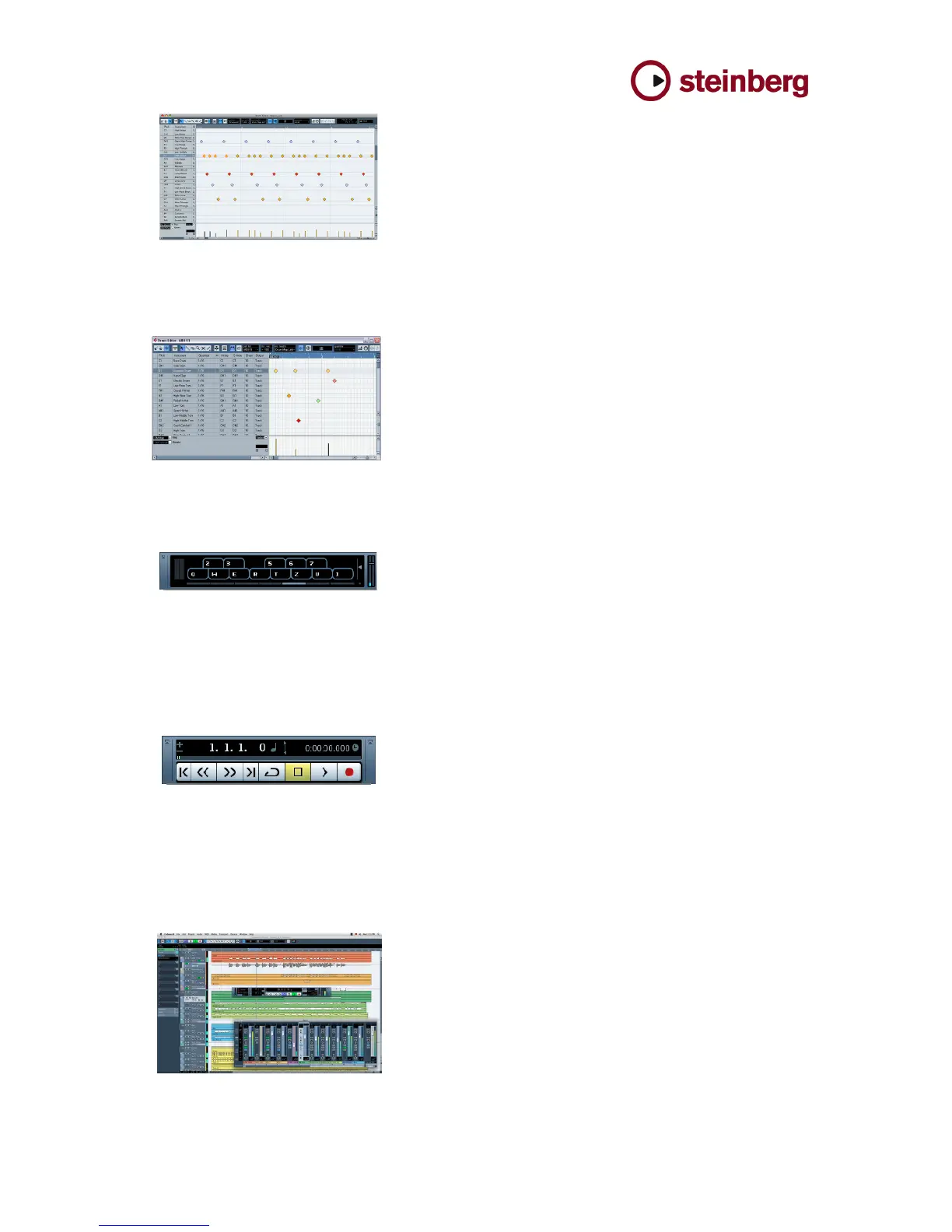
Drum Editor
The Drum Editor is a highly intuitive yet powerful window for
constructing and reworking beats, rhythms and grooves,
offering a plethora of features to find the perfect rhythm for
that one song or production. It was specially developed for
drum sequencing tasks — complete drum tracks can be
easily created here with only a few mouse clicks. An
individual drum map can be created for each instrument in
the project.
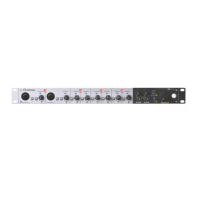
List Editor
The List Editor is a powerful MIDI editing tool that gives fast
access to every single aspect of a MIDI note, and can be a
huge timesaver in complex projects.
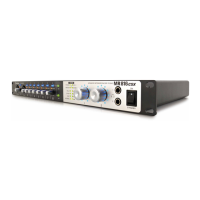
Virtual MIDI keyboard
The virtual MIDI keyboard is a small but powerful feature. At
present, MIDI notes are generated by playing on an external
MIDI keyboard or by using the mouse to “draw” MIDI
commands with the pencil tool. Now a third practical option is
being introduced with Cubase AI 5. With the virtual MIDI
keyboard, notes can be played and recorded by clicking the
mouse or hitting the computer’s keys, giving the ultimate
mobile low-latency experience while on the move.
8.3 Peerless recording and editing
At Steinberg, the wealth of engineering experience in digital
audio stretching back over two decades provides the basis
for a new generation of capabilities for recording and editing
in Cubase AI 5. With its emphasis not only on technology and
precision but also on user friendliness, usability and
ergonomics, Cubase AI 5 provides the user with all the tools
needed to record and edit with peerless precision and speed.
At the same time, Cubase AI 5 is easier to use than ever
before.
Next-generation audio engine
The award-winning Steinberg Audio Engine delivers a
crystal-clear 32-bit floating-point resolution and 96 kHz
sample rate, with a pristine sound quality that is the hallmark
of the Cubase AI 5 music creation experience. Steinberg’s
VST3 standard is also supported by Cubase AI 5, developed
to preserve precious CPU resources by applying processing
power economically and, therefore, improving the overall
performance.



 To Next Page