13
Getting Started (Cont.)
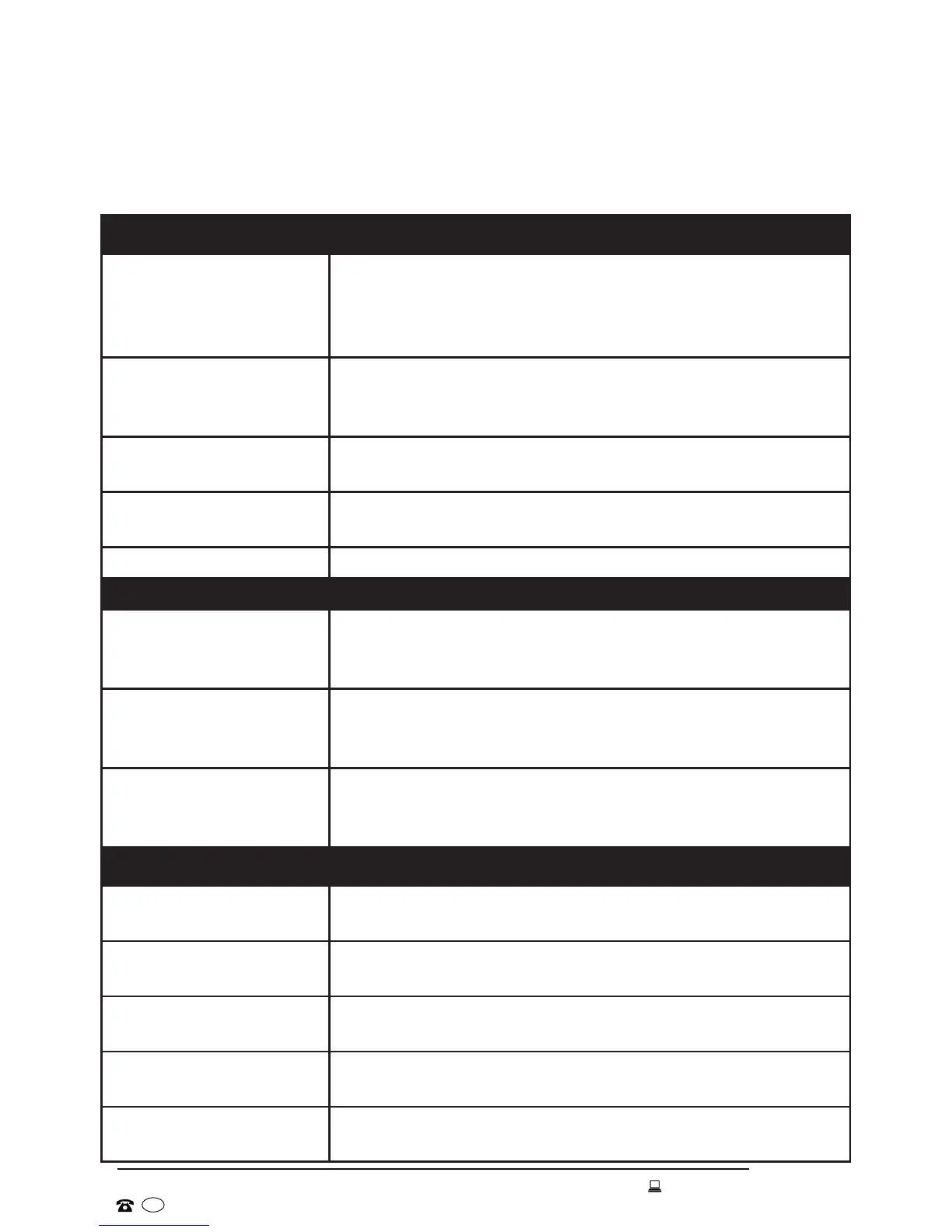
Cookware and utensils guide for microwave cooking
Cookware used in a microwave oven must be microwave safe.
Recommended
Microwave plastic wrap Use to retain steam. Leave a small opening for steam to
escape and avoid placing it directly on the food. Do not use
when cooking meat. Do not allow it to come into contact with
high-fat food as it may melt.
Paper towels and paper
napkins
Use for short-term heating and covering; these absorb excess
moisture and prevent spattering. Do not use recycled paper
towels, which may contain metal and could ignite.
Heat-resistant glass and
ceramic dishes
Use for heating or cooking.
Paper plates and cups Use for short-term heating at low temperatures. Do not use
recycled paper, which may contain metal and could ignite.
Wax paper Use as a cover to prevent spattering.
Limited Use
Aluminium foil Use narrow strips of foil to prevent overcooking of exposed
areas. However, take care not to use too much foil, and keep
a distance of 2–3cm between the foil and the cavity wall.
Ceramic, porcelain and
stoneware dishes
Use these if they are labelled "Microwave Safe". If they are
not labelled, test them to make sure they can be used safely.
Never use ceramics decorated with a metal rim or glaze.
Heat-resistant plastic
containers
Use only if labelled "Microwave Safe", and only according to
dish instructions. Avoid when cooking foods with high fat and
sugar content. Other plastics can melt.
Not Recommended
Glass jars and bottles Regular glass is too thin to be used in a microwave. It can
shatter and cause damage and injury.
Paper bags These are a fire hazard, except for popcorn bags that are
designed for microwave use.
Styrofoam plates and
cups
These can melt and leave an unhealthy residue on food.
Plastic storage and food
containers
Containers such as margarine tubs can melt in the
microwave.
Metal utensils, racks or
trays
These can damage your oven. Do not use in the microwave.


 To Next Page