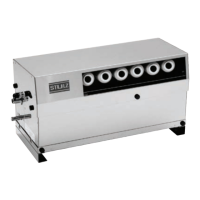
ULTRASONIC
11
Copyright STULZ GmbH 02/1997
The two air conditions are entered into the h-x digram (point A and point B
Draw a vertical line from A to edge measurement "x" point C
Draw a vertical line from B to edge measurement "x" point D
Then calculate the humidifier output:
>Point C = 2.8 g/kg air
>Point D = 6.4 g/kg air
>Difference = 3,6 (g Water)/(kg air) ( D - C )
>Multiply the predetermined air volume (10.000 m³/hour)
with the average air density (1,18 kg/m³)
10.000 m³/hour x 1,18 kg/m³ = 11.800 kg/hour
>Multiply the difference of the water content in the air with
the air weight/hour
3,6 g/kg x 11800 kg/hour = 42.480 g/hour
humidifier output = 42,5 kg/hour
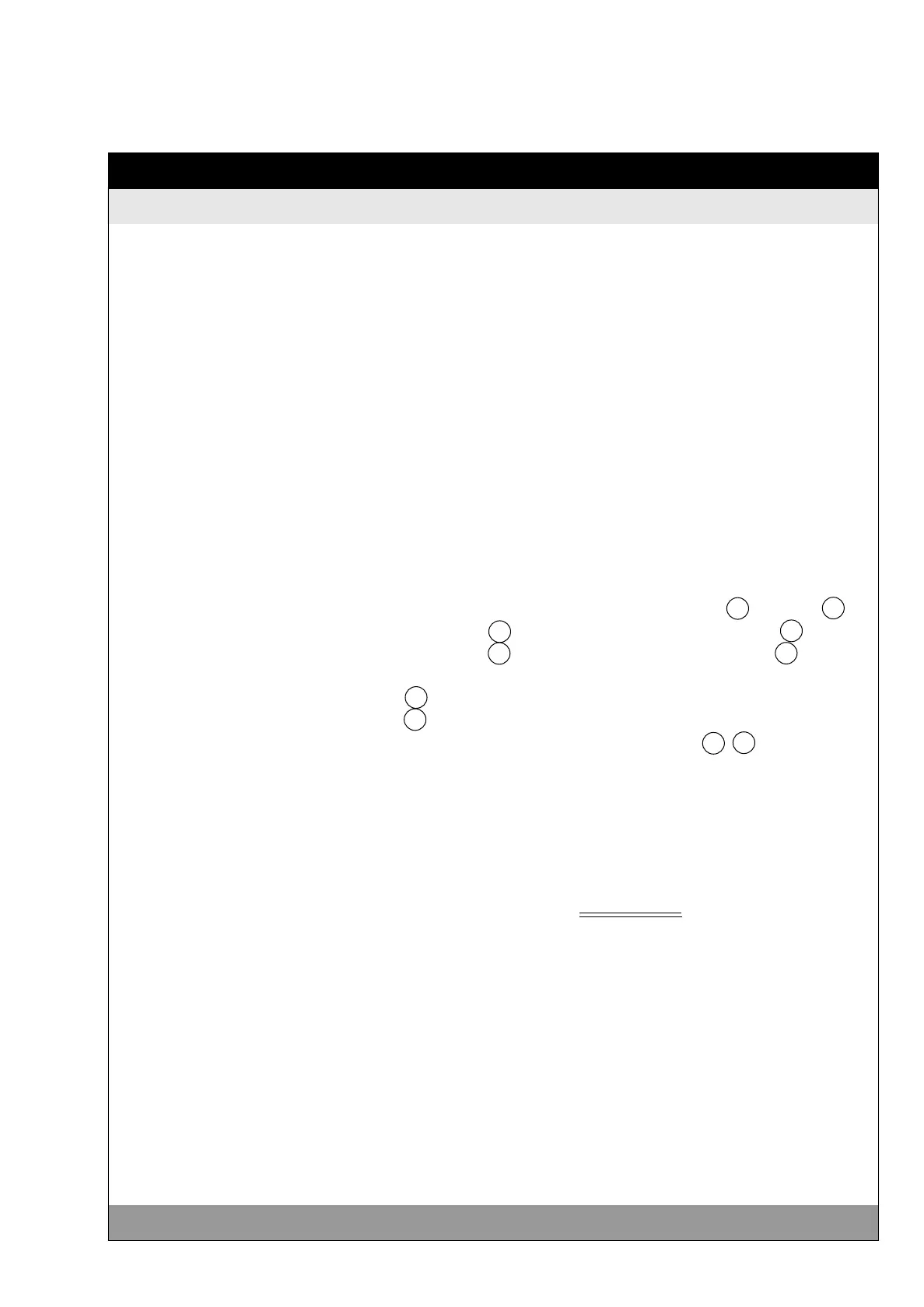
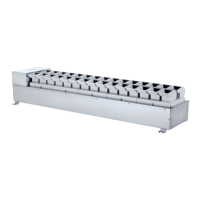
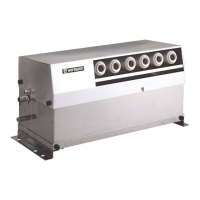
The most favorable type of combinations is now chosen from the delivery
range. The most frequent selection criteria are:
>Length of the ENS humidifier at the predetermined depth
of the air treatment.
>Number of ENS humidifiers, because of number of fixing
fixing divices, water supply lines and electric control.
In the example given, 2 off ENS 14 have been chosen. ( 3 x 14 kg/hour =
42 kg/hour )
CAPACITY CALCULATION FOR ULTRASONIC HUMIDIFIERS
Capacity Calculation for Ultrasonic Humidifiers
Basis of the capacity calculation for ULTRASONIC humidifiers is the que-
stionnaire listed under chapter 3.1. Provided that this questionnaire has been
completely been filled in, it will contain all data necessary for the calculation.
Example 1:
3.
LE = Air intake before humidification = 31.5°C / 10% r.h.
LA = Air outlet after humidification = 18.0°C / 50% r.h.
Air volume = 10.000 m³/hour
These values have to be chosen for the most unfavorable conditions, which
usually exist in winter at lowest outer temperatures.
1.
2.
3.
4.
5.



 To Next Page