6
4-CYCLE ENGINE THEORY
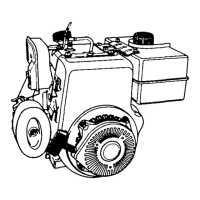
3. POWER. Both valves remain closed. As the piston
reaches the Before Top Dead Center (BTDC) ignition
point, the spark plug fires, igniting the fuel-air mixture.
In the time it takes to ignite all the available fuel, the
piston has moved to TDC (Top Dead Center), ready to
take the full combustive force of the fuel for maximum
power and piston downward travel. The expanding
gases force the piston down.
Tecumseh four-cycle engines require four strokes or
cycles to complete one power cycle.
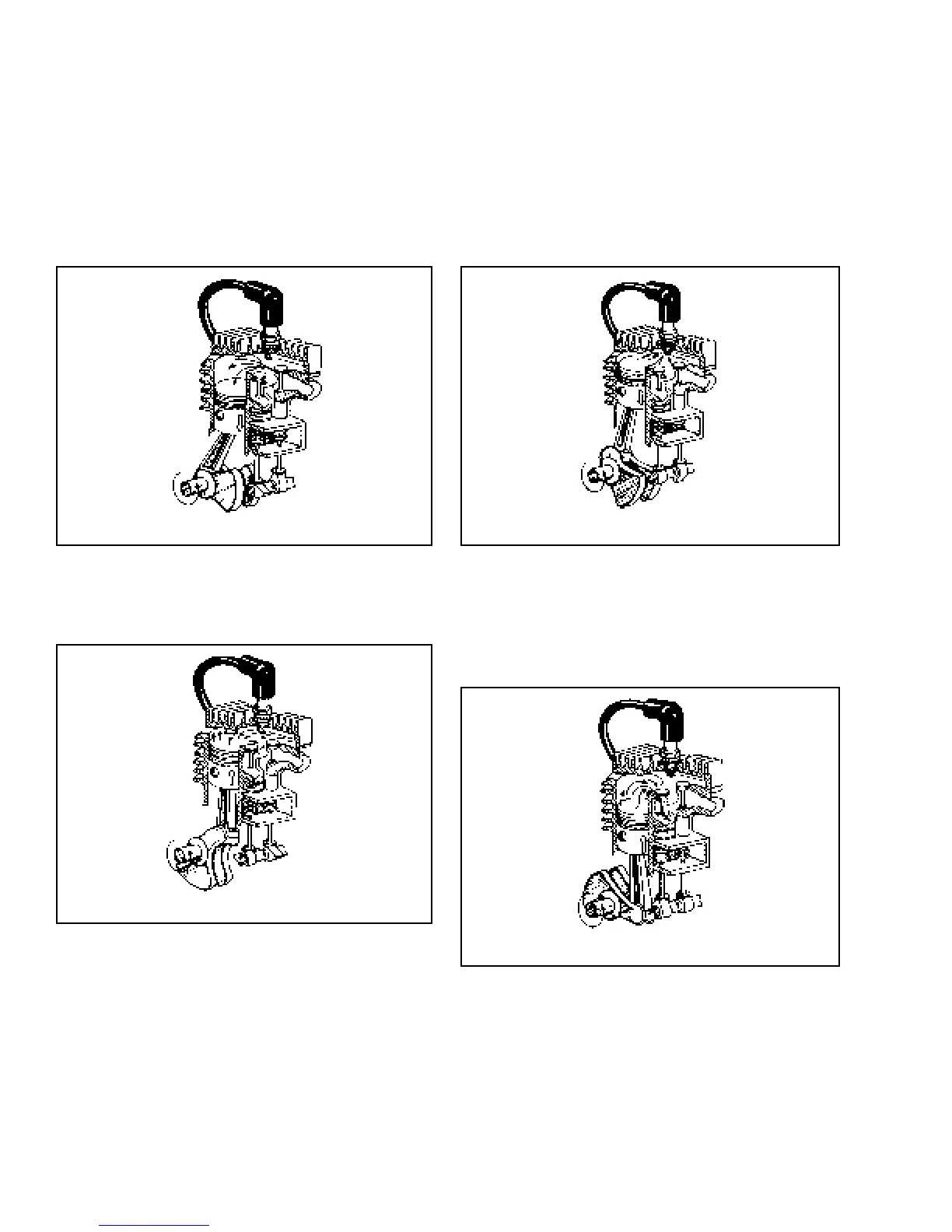
1. INTAKE. Intake valve is open, exhaust valve is closed.
Piston is traveling downward creating a suction action,
drawing the fuel-air mixture from the carburetor into the
cylinder area above the piston.
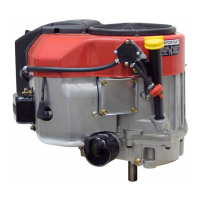
2. COMPRESSION. As the piston reaches Bottom Dead
Center, the INTAKE valve closes. The piston then rises,
compressing the fuel and air mixture trapped in the
combustion chamber, because both valves are closed.
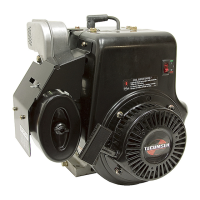
4. EXHAUST. Exhaust valve opens. As the piston starts
to the top of the cylinder, the exhaust gases are forced
out.
After the piston reaches Top Dead Center (TDC), the
four cycle process will begin again as the piston moves
downward and the intake valve opens.
1. INTAKE
3. POWER
2. COMPRESSION
NOTE: Some emission compliance engines may use a
RCR (Ramp Compression Relief) system. This system
opens the intake valve during the compression stroke
allowing a small amount of the intake charge back down
the intake pipe. This eliminates unburned fuel going out
the exhaust during normal compression relief cycle
typically used on the exhaust valve.
4. EXHAUST
Not For Resale
www.SmallEngineDiscount.com



 To Next Page