Need help?
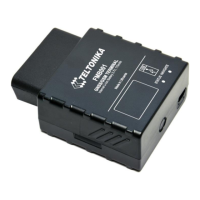
Do you have a question about the Teltonika FMP1 and is the answer not in the manual?
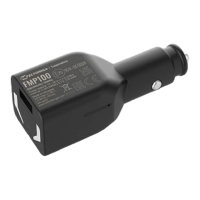
The device is a Plug and Play tracker, model FMP100, designed for easy installation due to its cigarette lighter power connector. It offers comprehensive connectivity through GNSS (Global Navigation Satellite System), GSM (Global System for Mobile Communications), and Bluetooth. This combination of features makes it suitable for various tracking applications, providing real-time location data, communication capabilities, and short-range wireless connectivity.
The primary function of the FMP100 is to act as a tracking device. It leverages GNSS technology to accurately determine its geographical position, which can then be transmitted via GSM networks. This allows for remote monitoring and tracking of vehicles or assets where the device is installed. The Plug and Play nature of the device means it is designed for immediate use upon connection, simplifying the setup process significantly. Its integration with a cigarette lighter power connector ensures a straightforward power supply from a vehicle's existing infrastructure, eliminating the need for complex wiring. The Bluetooth connectivity expands its utility, potentially allowing for short-range data exchange with other Bluetooth-enabled devices, such as sensors or mobile phones, for additional data collection or configuration.
The FMP100 is designed with user convenience in mind, particularly regarding its installation and initial setup. The "Plug and Play" designation highlights its ease of use: simply connect it to a vehicle's cigarette lighter socket, and it's ready to operate. This feature is particularly beneficial for users who require a quick deployment without professional installation services.
To prepare the device for operation, a Micro-SIM card needs to be inserted. The process involves using a SIM tray removal tool to eject the SIM card tray. Once the tray is out, the device cover needs to be split to access the internal battery connector. The battery is then connected, and the cover is gently closed back. Following this, a Nano-SIM card (with PIN request disabled for seamless operation, or configured later via Teltonika Configurator) is inserted into the tray, ensuring it is properly fitted. The SIM card tray is then reinserted into the device. After these steps, the device is ready for configuration, which can be done via a PC connection using specific software, as indicated by the reference to "PC Connection (Windows)."
The device's ability to connect to GNSS, GSM, and Bluetooth networks provides a robust set of usage features. GNSS enables precise location tracking, which is crucial for fleet management, asset recovery, or personal vehicle security. GSM connectivity ensures that tracking data can be transmitted over long distances, allowing for remote monitoring from virtually anywhere with cellular network coverage. Bluetooth adds a layer of local connectivity, which could be used for various purposes, such as connecting to external sensors for additional data (e.g., temperature, door status), or for local configuration and diagnostics via a smartphone or tablet application. The cigarette lighter power connector is a key usage feature, making the device highly portable and easily transferable between vehicles, as it does not require permanent wiring. This flexibility is ideal for temporary tracking needs or for users who frequently switch vehicles.
The manual emphasizes a critical maintenance procedure related to the SIM card: "Nano-SIM card insertion/removal must be performed when device is powered off - external voltage and battery are disconnected. Otherwise Nano-SIM card might be damaged or device will not detect it." This instruction highlights the importance of proper handling during SIM card changes to prevent damage to the SIM card or the device itself. It underscores a safety protocol that users must adhere to for the longevity and reliable operation of the FMP100.
While the manual does not detail extensive maintenance features beyond SIM card handling, the "Plug and Play" nature generally implies minimal ongoing maintenance requirements for the device itself. The robust design, as suggested by its intended use in vehicles, would likely mean it is built to withstand typical operational environments. The ability to configure the device via a PC (Teltonika Configurator) suggests that firmware updates and diagnostic checks can be performed, which are essential aspects of device maintenance to ensure optimal performance and access to new features or bug fixes. The modular approach to SIM card and battery access indicates that these components, if they ever need replacement or servicing, can be accessed by the user following specific instructions, rather than requiring specialized tools or professional intervention for basic tasks. The focus on easy installation and operation also extends to maintenance, aiming to keep the device functional with minimal user effort.
 General
| SMS | Yes |
|---|---|
| Device Type | Tracker |
| Operating Temperature | -40°C to +85°C |
| GNSS | GPS, GLONASS, BeiDou |
| 2G bands | GSM 900/1800 MHz |
| Data transfer | LTE Cat 1 |
| SIM | Micro-SIM |
| Interfaces | 1 x Digital Input, 1 x Digital Output |
| GPS Channels | 33 |
| Time To First Fix (Hot Start) | < 1 s |
| Protocols | TCP, UDP |

 To Next Page