EasyManua.ls Logo

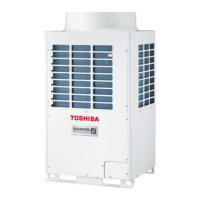
Toshiba MMY-MAP0804FT8-E - User Manual

Toshiba MMY-MAP0804FT8-E
23 pages
Print Icon
To Next Page IconTo Next Page
Loading...
AIR CONDITIONER (MULTI TYPE)
English
Owner’s Manual
For commercial use
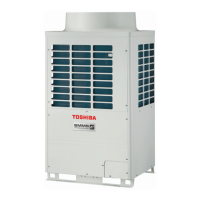
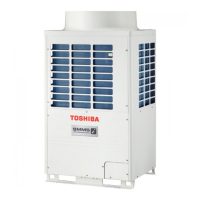
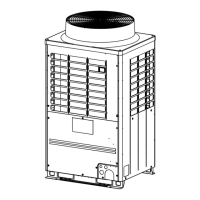
Outdoor Unit
Model name:
MMY-MAP0804FT8-E
MMY-MAP1004FT8-E
MMY-MAP1204FT8-E
MMY-MAP1404FT8-E
MMY-MAP0804FT8Z-E
MMY-MAP1004FT8Z-E
MMY-MAP1204FT8Z-E
MMY-MAP1404FT8Z-E
MMY-MAP0804FT8ZG-E
MMY-MAP1004FT8ZG-E
MMY-MAP1204FT8ZG-E
MMY-MAP1404FT8ZG-E

Other manuals for Toshiba MMY-MAP0804FT8-E

Questions and Answers

  • S
    Shelby Ross DDSJul 30, 2025
    What to do if my Toshiba MMY-MAP0804FT8-E shows error E16?
    • J
      jack97Jul 30, 2025
      If your Toshiba Air Conditioner displays error code E16, it indicates a capacity overload or an issue with the number of connected indoor units. Check if the capacity is exceeded (error code 00) or if the number of connected units is the problem (error code 01 and up).
  • S
    Shawna FreemanAug 3, 2025
    Why does my Toshiba MMY-MAP0804FT8-E show error E26?
    • S
      spencer58Aug 3, 2025
      If your Toshiba Air Conditioner displays error code E26, it indicates a decrease in the number of connected outdoor units. Verify the number of outdoor units which were normally received and the detected outdoor unit number.
  • C
    Charles BaileyAug 7, 2025
    What causes error E06 on a Toshiba MMY-MAP0804FT8-E Air Conditioner?
    • S
      Susan EspinozaAug 7, 2025
      If your Toshiba Air Conditioner displays error code E06, it means there's a decrease in the number of indoor units. Verify the number of indoor units which were normally received.
  • C
    Christina FarrellAug 12, 2025
    What does error E19 mean on my Toshiba Air Conditioner?
    • C
      calderondavidAug 12, 2025
      If your Toshiba Air Conditioner displays error code E19, it indicates an error with the number of header outdoor units. Specifically, error code 00 means there is no header, while code 02 indicates 2 or more header units are present.
  • C
    christine71Aug 16, 2025
    How to troubleshoot automatic addressing start error on a Toshiba Air Conditioner?
    • J
      James RobertsonAug 16, 2025
      If your Toshiba Air Conditioner displays error code E12, it indicates an automatic addressing start error. Solution: Check the communication between indoor and outdoor units (01) and the communication between outdoor units (02).
  • T
    Thomas ParksAug 20, 2025
    What does it mean when my Toshiba MMY-MAP0804FT8-E Air Conditioner displays error E20?
    • C
      Carlos WheelerAug 20, 2025
      If your Toshiba Air Conditioner displays error code E20, it means other lines are connected during automatic addressing. Specifically, error code 01 indicates another outdoor line is connected, while code 02 indicates another indoor line is connected.
  • T
    Terry NewtonAug 26, 2025
    What does error code E31 mean for Toshiba MMY-MAP0804FT8-E?
    • S
      steven88Aug 26, 2025
      If your Toshiba Air Conditioner displays error code E31, it indicates a communication error between the MCU and sub MCU. This may involve IPDU quantity information, with 80 specifically indicating an IPDU communication error.

Summary

Air Conditioner Warning Indications

Electrical Shock Hazard and Moving Parts Warnings

Disconnect power before servicing; warnings about moving parts and unit operation.

Temperature and Burst Hazard Precautions

Caution about hot parts, fins, and potential burst risks due to improper operation.

Physical Hazard Prevention Warnings

Warnings against touching fins or climbing on fan guards to prevent injury.

Safety Precautions for Air Conditioner Use

General Safety and Installation Guidelines

Covers manual reading, professional installation, electrical safety, and noise considerations.

Transportation, Operation, and Repair Safety

Safety during transport, operation, cleaning, and professional repair/relocation.

Electrical Connection and Water Safety

Ensures correct appliance connection, drain hose, and avoiding wet controls.

Carton Handling and Storage Safety

Carton Handling Symbols and Cautions

Explains symbols for protection and warnings for safe handling of cartons.

Safe Carton Stacking Procedures

Instructions for stacking boxes to prevent collapse and injury.

Air Conditioner Unit Component Identification

Outdoor Unit Component Labels

Identifies parts like air intake, discharge, connectors, and fixing legs.

Indoor Unit Components: Cassette Types

Details parts for 4-way and compact 4-way cassette indoor units.

Indoor Unit Component Details

2-Way and 1-Way Cassette Unit Parts

Identifies components for 2-way and 1-way cassette indoor units.

Concealed Duct Unit Components

Details parts for standard and high static pressure concealed duct units.

Various Indoor Unit Component Listings

Slim Duct and Ceiling Unit Components

Identifies parts for slim duct and ceiling indoor units.

Floor Standing Unit Component Variations

Details parts for cabinet, concealed, and standard floor standing units.

Remote Controller Display and Indicators

Remote Display Section Overview

Explains the main display area and its indicators.

Remote Operation and Status Indicators

Details indicators for operation modes, fan speed, and system status.

Control and Service Indicator Explanations

Explains indicators for central control, service, and error logs.

Remote Control Operation Section

Basic Remote Control Buttons

Covers ON/OFF, Mode, Temperature, Fan Speed, and Timer buttons.

Special Function and Unit Selection Buttons

Details Filter Reset, Power Save, Swing/Fix, Unit/Louver select.

Optional Remote Sensor and Ventilator Control

Explains remote sensor functionality and ventilator control.

Basic Air Conditioner Operation Guide

Initial Power-Up and Preparation

Steps for initial power-on and system preparation.

Standard Operation and Mode Selection

How to start, change modes, fan speed, and set temperature.

Power Saving Mode Functionality

Activating and deactivating the power saving feature.

Timer Operation Settings and Installation

Configuring Timer Functions

Instructions for setting OFF, Repeat-OFF, and On timers.

Installation Location and Sound Management

Guidelines for choosing a location and minimizing noise.

Operational Notes and Performance Considerations

Pre-Operation Checks and Heating Performance

Essential checks before use and factors affecting heating capacity.

System Protection and Operational Limits

Covers defrosting, 3-minute protection, power failure, and operational temperature ranges.

Heating Characteristics and Protective Devices

Explains heating warm-up time and the function of protective devices.

Louver Direction and Swing Control

Setting Louver Direction for Cassette;Ceiling Units

Adjusting louver direction and stopping swing for specific unit types.

Individual Louver Control and Unit Selection

How to set louvers individually and select units for control.

Advanced Louver Adjustment Features

Configuring Louver Swing Patterns

Steps to set Standard, Dual, and Cyclic swing modes.

Louver Locking Mechanism

Procedure to lock louvers in a desired fixed position.

Louver Lock Release and Horizontal Direction

Releasing Louver Lock and Horizontal Adjustment

Steps to release louvers and adjust horizontal airflow.

Horizontal Louver Settings by Unit Type

Specific horizontal adjustments for 4-way, 2-way, and 1-way cassette units.

Vertical and Horizontal Louver Adjustments

Louver Adjustments for 1-Way Cassette and Floor Units

Vertical and horizontal adjustments for these unit types.

Ceiling Unit Louver Control and Unit Selection

Vertical/horizontal adjustment for ceiling units and unit selection.

Air Discharge and Louver Configuration

Louver Adjustments for Specific Unit Types

Vertical/horizontal adjustments for 1-way cassette and floor standing units.

Procedure for Changing Air Discharge Assembly

Step-by-step guide to remove and reattach the air discharge part.

Energy Saving and Comfort Performance Tips

Filter Maintenance and Temperature Management

Importance of clean filters and avoiding extreme temperatures for efficiency.

Room Comfort and Optimal Operating Conditions

Tips for even room temperature distribution and recommended operating conditions.

Air Conditioner Maintenance Procedures

General Maintenance Safety Warnings

Safety precautions for maintenance, including qualified personnel and wet hands.

Filter Cleaning and Long-Term Storage

Steps for cleaning air filters and preparing the unit for periods of disuse.

Periodic Inspection and Special Cleaning Advice

Recommendations for professional inspections and specific cleaning requirements.

Troubleshooting Air Conditioner Issues

Common Symptoms and Cause Diagnosis

Lists typical symptoms and their probable causes for troubleshooting.

Critical Safety Alerts and Error Log Confirmation

Important safety warnings and procedures to check error logs.

Product Specifications and Compliance

Model Specifications and Unit Weights

Lists various models, their weights, and sound power levels.

Declaration of Conformity Details

Manufacturer, representative, and product compliance statements.

EMC Directive Compliance Information

Manufacturer and EU Distributor Information

Details of the manufacturer and the EU importer/distributor.

Toshiba MMY-MAP0804FT8-E Specifications

General IconGeneral
BrandToshiba
ModelMMY-MAP0804FT8-E
CategoryAir Conditioner
LanguageEnglish

Related product manuals