Townsend Labs Sphere L22 Precision Microphone System Guide
33
Chapter 5: Off-Axis Correction
The polar response of all mics varies across frequency. For example, a typical large-diaphragm,
cardioid, condenser mic is only substantially cardioid in the 1 – 2 kHz region. It deviates to omni and
figure-8 at lower and higher frequencies. Sphere’s Off-Axis Correction feature improves the mic’s
polar response by applying DSP compensation to create a more consistent off-axis response across
frequency.
While a mic’s non-ideal polar response is partly responsible for its characteristic sound, it can produce
considerable disadvantages, such as bleed, room coloration, and feedback. Off-Axis Correction can
reduce these problems, sometimes dramatically. The correction is applied without changing the mic
model’s on-axis frequency response, so the direct sound is still picked up as intended.
Technical Details
This section provides a brief technical explanation of Off-Axis Correction, which can help you
understand how to best use it. If you would like to skip ahead, proceed to the application chapters
beginning with Chapter 6: Recording Vocals.
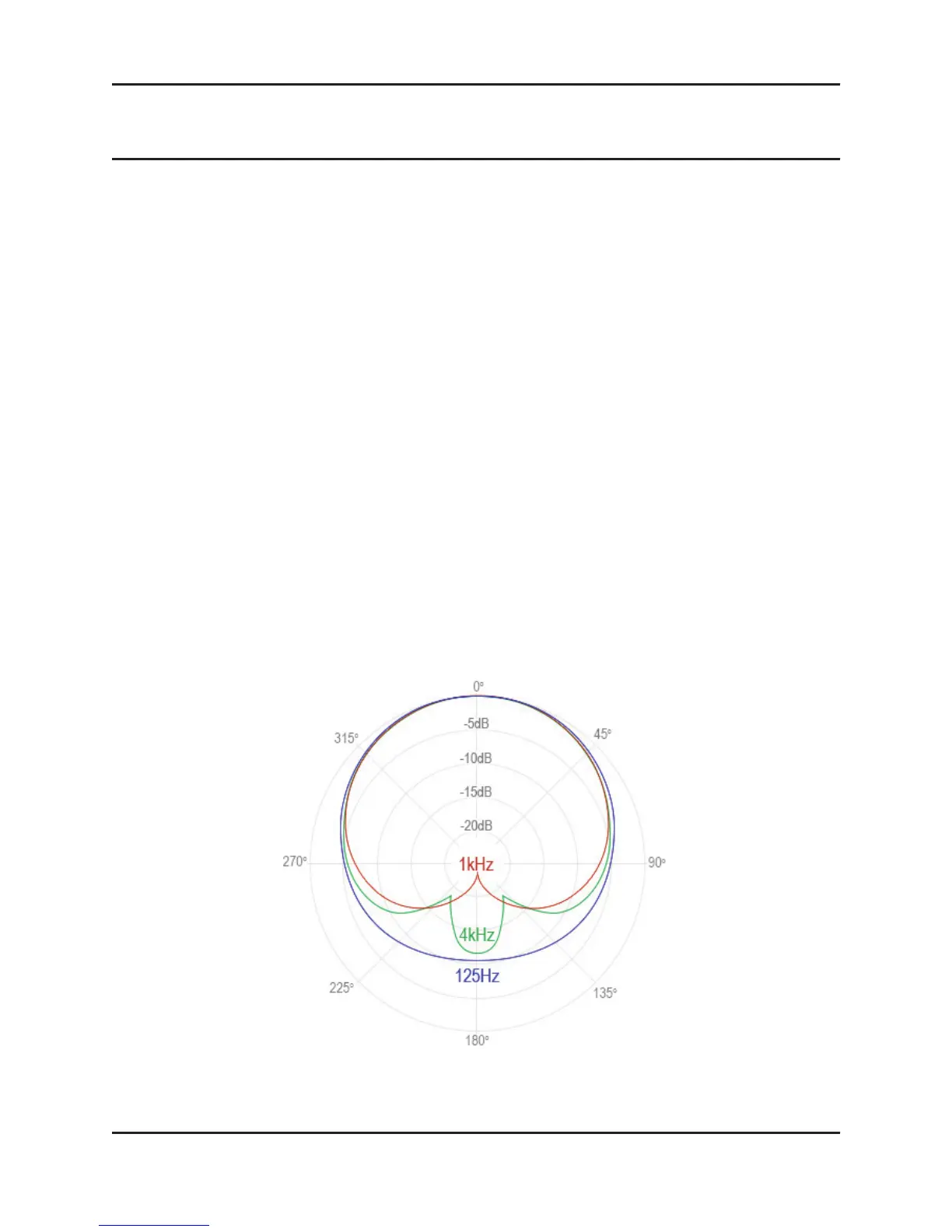
Figure 5-1 shows the published polar pattern of a Neumann U87ai in the cardioid setting at 125 Hz
(blue), 1 kHz (red), and 4 kHz (green). Notice that the pattern is actually cardioid only at 1 kHz. The
pattern approaches omnidirectional at 125 Hz, and is roughly hypercardioid at 4 kHz.
Figure 5-1 U87ai cardioid polar pattern


 To Next Page