EasyManua.ls Logo

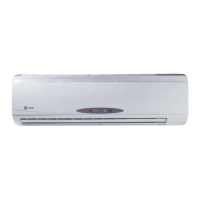
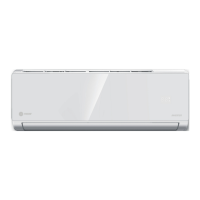
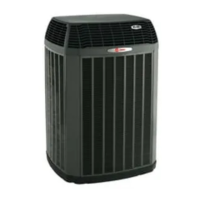
Trane 4MXW2336A1 - User Manual

Trane 4MXW2336A1
48 pages
Print Icon
To Next Page IconTo Next Page
Loading...
Installer’s Manual
Split System (R-410A)
23 Series Single Zone
Inverter System
9,000 Btu/h to 36,000 Btu/h
Models:
HP Outdoor Units: HP Indoor Units:
4TXK2309A1 4MXW2309A1
4TXK2312A1 4MXW2312A1
4TXK2318A1 4MXW2318A1
4TXK2324A1 4MXW2324A1
4TXK2330A1 4MXW2330A1
4TXK2336A1 4MXW2336A1
June 2020 MS-SVN061C-EN

Questions and Answers

  • J
    Joshua ShawAug 6, 2025
    Why doesn't my Trane Air Conditioner run when I turn it on?
    • L
      Latasha HortonAug 6, 2025
      If your Trane Air Conditioner unit doesn’t run immediately after being turned off, it may be due to the overload protection switch, which delays the unit's start-up for three minutes. Also, when power is turned on, the unit is in standby for one minute.
  • C
    cunninghamphilipAug 10, 2025
    What are the possible causes of sound coming from my Trane 4MXW2336A1 Air Conditioner?
    • J
      Jennifer AndersonAug 10, 2025
      The cracking sound you hear when your Trane Air Conditioner is operating and after operating is due to the unit panels expanding or contracting because of temperature change. A slight cracking sound when the unit starts occurs when the electronic expansion valve initializes. The sound when cooling is the sound of gas refrigerant flowing in the unit. The sound when the unit starts or stops occurs when gas refrigerant starts or stops flowing. A slight sound when the unit is running or after running is the sound of the drainage system operating.
  • J
    joseph29Aug 14, 2025
    What to do if my Trane Air Conditioner indoor unit still runs after I switch it off?
    • B
      brandonmillerAug 14, 2025
      If your Trane Air Conditioner indoor unit continues to run after being switched off, it's normal. After receiving the stop signal, the fan motor will continue running for 20-70 seconds. This allows it to utilize excess cooling and heating and prepare for the next operation.
  • W
    wjonesAug 19, 2025
    What happens if there is a mode conflict in my Trane 4MXW2336A1 Air Conditioner?
    • C
      Christina MartinezAug 19, 2025
      When the indoor operating mode conflicts with that of the outdoor unit, the indoor fault indicator will flash, and the conflict will be shown on the wired controller after 5 minutes. The indoor unit stops running, and the outdoor unit changes its mode of operation to match the indoor unit, then the unit will go back to normal. Note that COOL mode doesn't conflict with DRY mode, and FAN mode doesn't conflict with any mode.
  • D
    dalton72Aug 22, 2025
    Why does mist come from my Trane 4MXW2336A1 Air Conditioner?
    • M
      Melissa HarrisonAug 22, 2025
      If you see mist coming from your Trane Air Conditioner, especially when the cooling cycle starts, it is because indoor high humidity air is cooled rapidly.
  • A
    Anthony SotoAug 27, 2025
    Why does my Trane 4MXW2336A1 blow out dust?
    • M
      Michelle ReedAug 27, 2025
      If your Trane Air Conditioner blows out dust, especially after being off for a while, it's likely due to dust in the indoor unit being blown out.
  • K
    kramererinSep 1, 2025
    Why does my Trane Air Conditioner emit an odor?
    • R
      Ryan MaciasSep 1, 2025
      If your Trane Air Conditioner emits an odor when operating, it's likely that the room odor absorbed by the unit is being blown out again.

Summary

Safety Warnings and Symbol Definitions

Understanding Hazard Symbols

Explains WARNING, CAUTION, and NOTICE symbols for hazard identification.

General Safety Warnings for Installation

Key safety warnings related to installation, electrical work, and handling.

Refrigerant and Environmental Safety Precautions

R410-A Refrigerant and Equipment Safety

Safety warnings regarding R410-A refrigerant pressure and service equipment.

Detailed Safety Precautions for Installation

Electrical and Wiring Safety

Precautions for electrical connections, wiring, grounding, and power supply.

Refrigerant Handling and System Integrity

Safety measures for handling refrigerant, preventing contamination, and system pressure.

Unit Installation and Support Safety

Ensuring structural support and proper mounting to prevent accidents.

Advanced Safety and Pre-Installation Checks

System Operation and Grounding Safety

Safety tips for system pump-down, grounding, and power supply cable.

Installation Clearance Requirements

Piping Specifications and Operating Conditions

Refrigerant Piping and Brazing Safety

Hazardous Refrigerant Handling Warnings

Critical warnings about explosion, toxic gases, and proper refrigerant removal.

Nitrogen Purging for Brazing

Procedure for using nitrogen during brazing to prevent unit damage.

Selecting Proper Installation Locations

Indoor Unit Mounting Location and Preparation

Mounting Frame Installation

Steps for securely mounting the indoor unit's frame to the wall.

Drilling the Piping Hole for Unit Installation

Indoor Unit Refrigerant Piping Connection

Connecting Refrigerant Pipes Securely

Steps for connecting pipes to the indoor unit and tightening flare nuts.

Evacuation and Leak Testing Procedure

Vacuuming the system to 350 microns and leak checking connections.

Completing Indoor Piping and Insulation

Flare Connection Torque Specifications

Table detailing correct torque values for flare nut connections.

Condensate Drainage and Indoor Unit Wiring

Indoor Unit Electrical Wiring Steps

Procedure for opening the unit and threading the power connection wire.

Indoor Unit Wiring Connections and Grounding

Power and Signal Wire Connections

Connecting power and communication wires to terminals according to color coding.

Proper Grounding for Safety

Ensuring correct grounding of the unit to prevent electrical hazards.

Outdoor Unit Installation and Condensate Management

Refrigerant Piping Installation Techniques

Copper Tube Flaring Process

Proper procedure for flaring copper tubing for refrigerant connections.

Outdoor Piping and Insulation Procedures

Piping System Requirements and Oil Traps

Vacuuming and Leak Detection Procedures

System Vacuuming to Micron Levels

Ensuring the refrigeration circuit is evacuated to 350 microns.

Refrigerant Leak Checking Methods

Techniques for detecting refrigerant leaks using soap bubbles and pressure.

Electrical Wiring Precautions and Outdoor Connections

General Wiring Safety Warnings

Critical safety warnings for electrical wiring installation and grounding.

Electrical Requirements and Sizing

Power Supply and Circuit Requirements

Details on voltage, phase, and circuit requirements for the unit.

Electrical Installation Details

Post-Installation Checks and Test Operation

Pre-Test Installation Checklist

Points to check before performing the initial unit test.

Performing Unit Test Operation

Steps for turning on the unit and testing its modes.

Wiring Diagrams: Color Key and Indoor Units

Indoor Unit Wiring Diagrams

Indoor Unit Wiring Diagrams (Continued)

Outdoor Unit Wiring Diagrams

Outdoor Unit 9 K-12 K Wiring Diagram

Wiring diagram for outdoor units 9K and 12K.

Outdoor Unit Wiring Diagrams (Continued)

Outdoor Unit Wiring Diagram (Final)

Troubleshooting: Common Error Codes

Error Code Descriptions and Recommendations

Lists common error codes, malfunction types, and recommended actions.

General Troubleshooting Guide

Common Unit Operation Issues and Causes

Troubleshooting common problems like unit not running or unusual sounds.

General Maintenance and After-Sales Service

Trane 4MXW2336A1 Specifications

General IconGeneral
BrandTrane
Model4MXW2336A1
CategoryAir Conditioner
LanguageEnglish

Related product manuals