
 Need help?
Do you have a question about the TRENDnet TEW-639GR - Wireless Router and is the answer not in the manual?
Lists items included in the product package, such as the router, CD-ROM, cable, and power adapter.
Specifies the necessary hardware and software, including modem type, operating systems, and web browsers, for router setup.
Provides an overview of wireless LAN networking technology and its applications.
Lists the key capabilities and specifications of the TEW-639GR, including supported standards and speeds.
Explains the function of each LED light on the router for status monitoring.
Identifies the physical ports and connectors located on the rear of the router.
Offers guidance on optimal router placement and environmental factors to maximize wireless signal range and performance.
Outlines the basic steps required for setting up a typical wireless network at home with the router.
Explains how to access the router's web-based configuration interface using its default IP address.
Covers WAN connection settings, LAN settings, and DHCP client lists for network management.
Manages basic wireless settings, advanced parameters, security, WPS, and station list for wireless connectivity.
Provides advanced settings including DMZ, Virtual Server, Routing, Access Control, Special Applications, Gaming, Inbound Filter, and Schedule.
Manages system settings, firmware upgrades, time configuration, and reviews device status.
Provides access to help menus and web-based explanations for configurable fields.
 General
| Wireless Standard | 802.11n |
|---|---|
| Frequency Band | 2.4 GHz |
| Maximum Wireless Speed | 300 Mbps |
| Security | WEP, WPA, WPA2 |
| Connectivity Technology | Wireless |
| Data Transfer Rate | 300 Mbps |
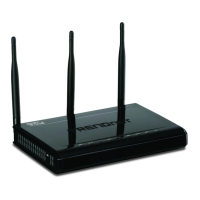
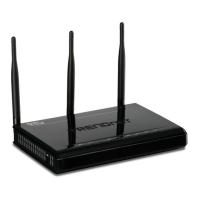
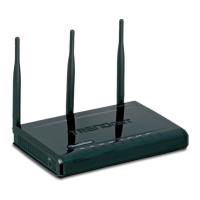
| Antenna Type | 3 x detachable antennas |
| Ethernet Ports | 5 x 10/100 Mbps (1 WAN, 4 LAN) |


 To Next Page