SECTION 5 – SWING DRIVE
5-8USTCJanuary 15, 2001
Swing Bearing Wear Tolerance
As the bearing wears, the clearance will gradually
increase. Initially, bearing clearance increases due to
smoothing of the surfaces. Clearance will then remain
essentially constant for many years if the crane is not
overloaded or subject to shock loads.
If the design life of the bearing has been reached,
pitting will occur in the contact area of the raceway.
Eventually, the number of pittings will increase to a
density where material is spalled off the raceway and
the bearing becomes non-functional.
Note: The following procedure serves only to
illustrate how a relative clearance measurement may
be acquired to evaluate the integrity of a swing
bearing. The only true method to determine the
integrity of the bearing is to compare the original
clearance between the inner and outer race (as
manufactured) to the current measurement on the
bearing in question.
If the condition of the bearing is questionable based
on the clearance measurements obtained from the
following procedure, the bearing should be
30
1
26
21
35
7
9
11
27
20
18
14
4
6
15
23
22
12
8
2
29
10
25
28
19
17
13
3
5
16
24
38
39
56
61
65
46
47
50
60
57
54
51
33
32
42
43
64
44
41
31
34
52
53
58
59
49
48
4536
37
40
55
62
63
66
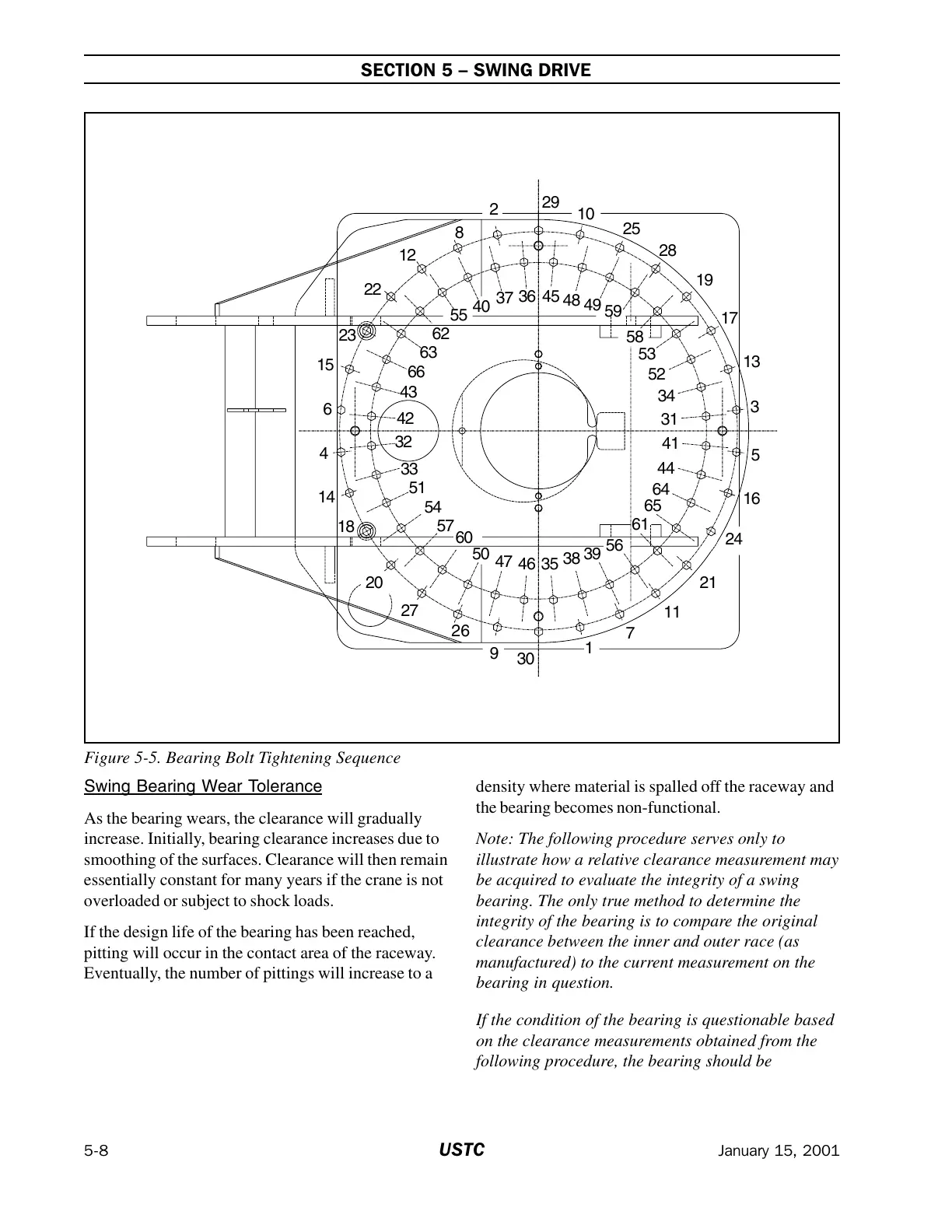
Figure 5-5. Bearing Bolt Tightening Sequence
Courtesy of Crane.Market



 To Next Page