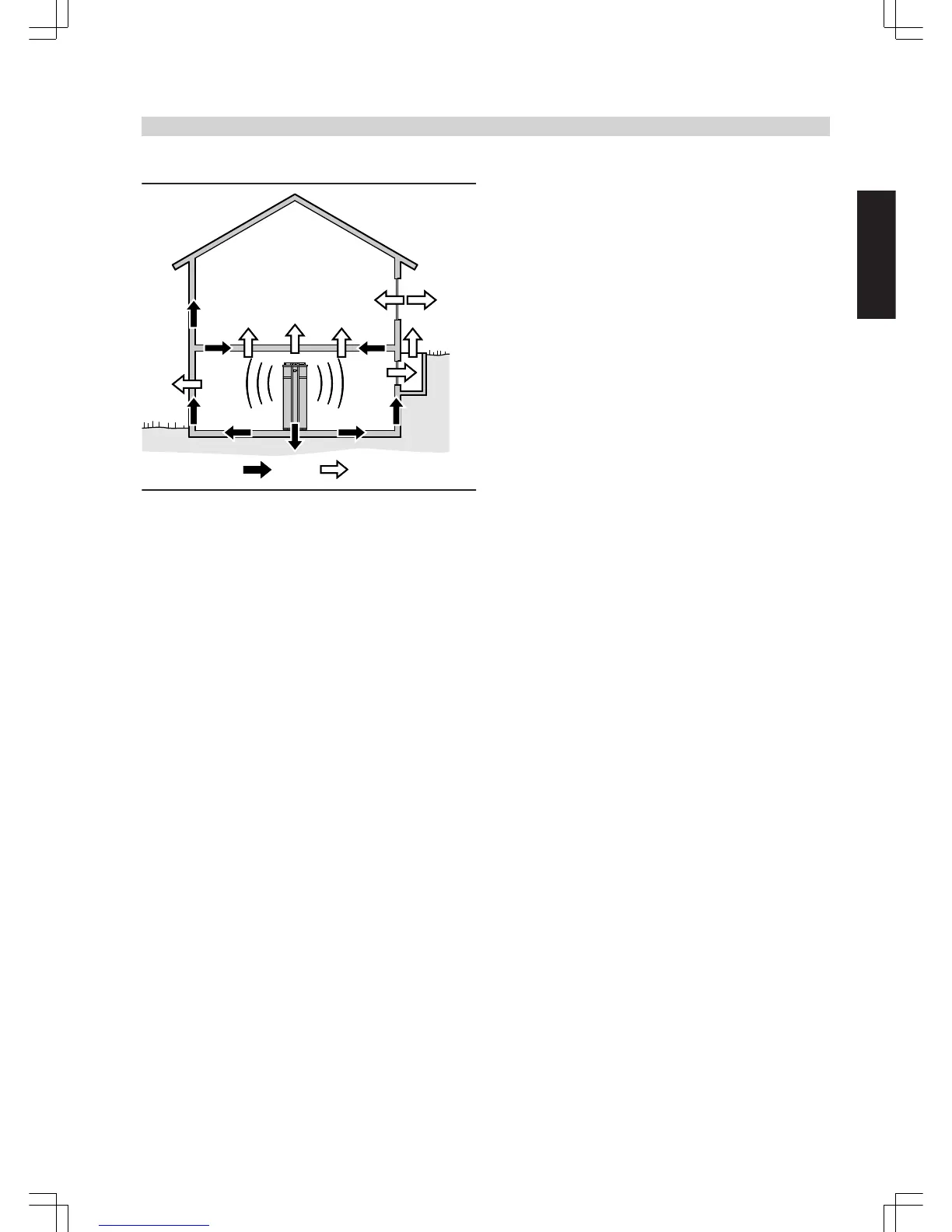
A
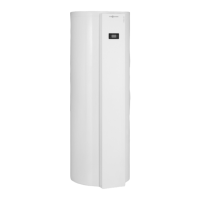
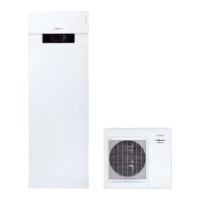
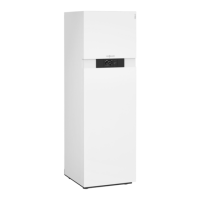
Vitocal 160-A
B
Structure-borne noise
C
Airborne noise
The transmission of sound in buildings generally occurs through the
transmission of structural vibrations via the floors, walls and ceilings.
The sound emissions from the light wells often lead not only to nui-
sance in the vicinity, but also inside the home. For example, under
unfavourable conditions sound immissions can enter the house via a
window. In the house itself, there is a risk that airborne noise will be
transmitted via stairwells and cellar ceilings amongst others.
Note
The transfer of noise emitted from the Vitocal 160-A can be signifi-
cantly reduced through a series of effective measures (see
page 20).
Principles
(cont.)
VITOCAL 160-A
VIESMANN
7
5822 485 GB
1






 To Next Page