38
Service Procedures
HFC134a service Information (continued)
• Care must be taken to minimize moisture from
entering HFC134a system. Do not leave
compressor or system open to atmosphere for
more than 10 minutes. Excessive moisture in
HFC134a system will react with compressor oil
and generate acid.
• Compressor must be replaced when performing
low side leak repair..
• Drier filter must always be replaced with service
drier filter. Important: Un-brazing drier filter
from tubing will drive moisture from desiccant
and into system, causing acids to form. Do not
un-braze filter drier from tubing. If CFC12
service drier was installed in HFC134a system,
drier could overload due to excessive moisture.
• HFC134a compatible copper tubing must be
used when replacing tubing.
• Avoid system contamination by using an
evaporating oil when flaring, swagging, or
cutting refrigeration tubing.
HFC134a is alternative for CFC12.
HFC134a has an ozone depletion potential (ODP)
factor of 0.0 and a global warming potential (GWP)
factor of 0.27. HFC134a is not flammable and has
acceptable tonicity levels. HFC134a is not
interchangeable with CFC12. there are significant
differences between HFC1134a and CFC12 which
must be considered when handling and processing
refrigerant system.
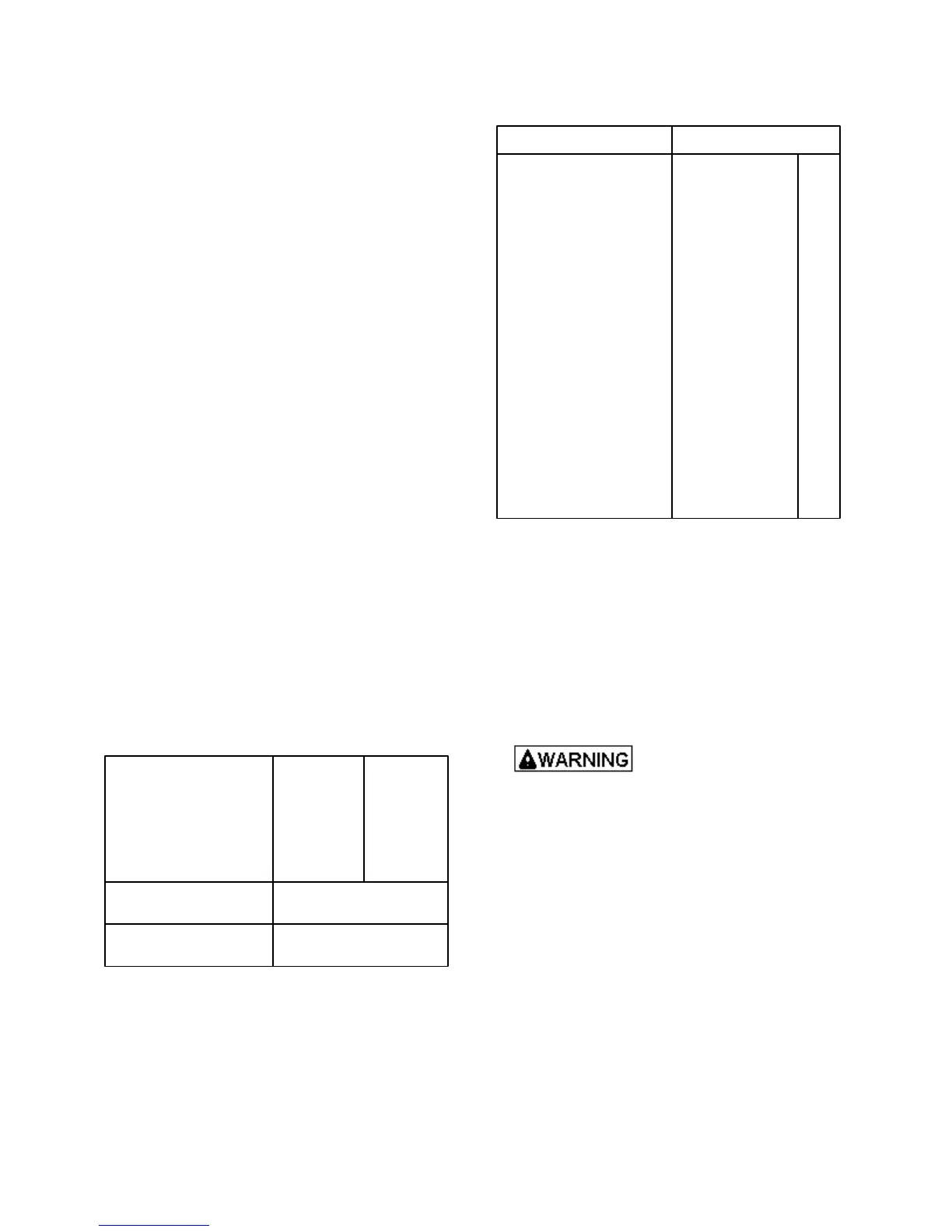
Comparison of CFC12 AND HFC134a
Properties
Properties / Characteristics CFC12 HFC134a
Ozone Depletion Potential 1.0 0.0
Global Warming Potential 3.2 0.27
Molecular Weight 121 102
Boiling Point at 1 Atmosphere -22 F (-30 C) -15 F (-126 C)
Vapor Pressure at 77 F (25 C) 80 psig 82 psig
Liquid Density at 77 F (25 C) 82 lb/ft 75 lb/ft
Flammability No No
High-side System operating HFC134a approximately 3 psig
Pressure at 65 F (18 C) Higher than CFC12
Low-side System operating HFC134a approximately 2 psig
Pressure at 65 F (18 C) Lower than CFC12
Health, Safety, and Handling
Health, safety, and handling considerations for
HFC134a are virtually no different than those for
CFC12.
Health, Safety, and Handling CFC12 HFC134a
Allowable overall exposure limit 1,000ppm Same
Vapor exposure to skin No effect Same
Liquid exposure to skin Can cause frostbite Same
Vapor exposure to eye Slight eye irritant Same
Liquid exposure to eye Can cause frostbite Same
Above minimum exposure limit Can cause Asphyxia- Same
tion, Tachycardia,
and Cardia Anthythmia
Safety and handling Wear appropriate skin Same
and eye protection.
Use with adequate
ventilation.
Spill management Remove or extinguish Same
ignition or combustion
sources. Evacuate or
ventilate area.
Fire explosion hazards May decompose if Same
contact with flames
and heating elements
Container may explode
if heated due to
resulting pressure rise.
Combustion products
are toxic.
Disposal procedures Recycle or reclaim Same
Replacement Service Compressor
HFC134a service compressor will be charged with
ester oil and pressurized with dry nitrogen. Before
replacement compressor is installed, pull out 1 rubber
plug. A pop from pressure release should be heard.
If a pop sound is not heard, do not use compressor.
Positive pressure in compressor is vital to keep
moisture out of ester oil. Do not leave compressor
open to atmosphere for more than 10 minutes.
Compressor Testing Procedures
To avoid death or severe
personal injury, never use
oxygen, air or acetylene for
pressure testing or clean out of refrigeration
system. Use of oxygen, air or acetylene may result
in violent explosion. Oxygen may explode on
contact with oil and acetylene will spontaneously
explode when under pressure.
Refer to Technical Date Sheet “Temperature and
Relationship Chart” for operating watts, test points,
and temperature relationship test for unit being tested
• Temperature testing is accomplished by using 3
lead thermocouple temperature tester in specific
locations. Test point “T-1” is outlet on
evaporator coil and “T-2” inlet. Test point”T-3”
is suction tube temperature midway between
where armaflex ends and suction port of
compressor (approximately 12 inches from
compressor).



 To Next Page