This document serves as an owner's manual for the Weber Spirit II gas grill, providing comprehensive information on its function, usage, and maintenance to ensure a safe and enjoyable barbecuing experience.
Function Description
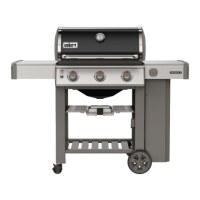
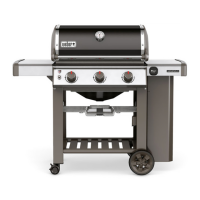
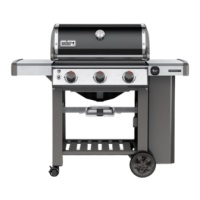
The Weber Spirit II gas grill is designed for outdoor cooking, utilizing Liquefied Petroleum Gas (LPG) as its fuel source. It features the GS4 Grilling System, an innovative barbecuing system developed over 30 years of experience, culinary expertise, and feedback from the barbecuing community. The GS4 system aims to provide ease-of-use and an unequalled satisfaction for backyard barbecuing.
The core components of the GS4 Grilling System include:
- INFINITY CROSSOVER Ignition: This system ensures reliable ignition of the burners every time, providing confidence from the first light.
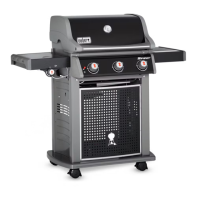
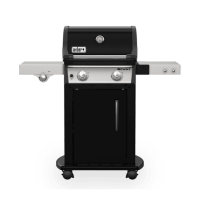
- Burners: Heavy-duty, stainless steel burners are built for durability and provide even heat distribution across the cooking grates. Depending on the model, the grill can feature two or three main burners.
- FLAVORIZER BARS: These classic Weber Flavorizer Bars are strategically angled to catch drippings from food. These drippings smoke and sizzle, imparting an irresistible smoky flavor to the food. Any drippings not vaporized are funneled away from the burners.
- Grease Management System: This system facilitates the removal of grease and significantly reduces the risk of flare-ups. Drippings that are not vaporized by the Flavorizer Bars are directed away from the burners into a disposable drip tray, located within a catch pan beneath the cookbox, making cleanup simple.
Additional features of the Spirit II grill enhance its functionality:
- Built-In Thermometer: Integrated into the lid, this thermometer allows users to monitor the internal temperature of the grill, enabling precise heat adjustments for optimal cooking.
- Warming Rack: Positioned above the main cooking grates, this rack is ideal for keeping cooked food warm or toasting burger buns while the main course grills below.
- GOURMET BBQ SYSTEM, Cooking Grates: These versatile cooking grates feature a circular insert that can be removed. This allows the grill to be transformed with various GOURMET BBQ SYSTEM options, such as a griddle, poultry roaster, or pizza stone (accessories sold separately).
- Side Tables with Integrated Tool Hooks: The grill includes side tables that provide convenient space for platters, seasonings, and barbecuing tools. Essential tools can be hung on the integrated hooks for easy access and organization. The left side table is designed to fold down, allowing the grill to fit into smaller spaces.
- iGRILL 3 Compatible: The grill is compatible with the iGRILL 3 app-connected thermometer (sold separately). This device monitors food temperatures in real-time and displays them on a mobile device via the WEBER iGRILL app, allowing users to track cooking progress with up to four thermometer probes.
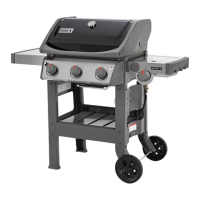
- Side Burner: Available on some models, the side burner provides an additional cooking surface, perfect for simmering sauces, boiling potatoes, or preparing other side dishes while the main course cooks under the lid.
- Easy Access Gas Cylinder Storage: The gas cylinder is mounted on the outside of the barbecue, making it easy to access and remove. This design also maximizes storage space within the grill cart.
- Open Cart Design: The sleek, open-cart design offers additional room and accessibility for storing barbecuing tools and accessories.
Usage Features
The manual emphasizes several key aspects for effective and safe use of the Spirit II grill:
- Outdoor Use Only: The grill is strictly for outdoor use in a well-ventilated area, never in enclosed spaces like garages, buildings, breezeways, tents, or under overhead combustible structures.
- Preheating: Preheating is crucial for successful barbecuing. The grill should be preheated on the highest setting with the lid closed for 10-15 minutes, or until the lid thermometer reads 260°C (500°F). This prevents food from sticking, ensures proper searing, and burns off any residue from previous meals.
- Direct and Indirect Heat: The manual explains two primary cooking methods:
- Direct Heat: Used for small, tender foods that cook in less than 20 minutes (e.g., hamburgers, steaks, chops, fish fillets). The food is placed directly over the lit burners, searing surfaces and developing flavor.
- Indirect Heat: Used for larger cuts of meat or delicate foods that require 20 minutes or more of cooking time (e.g., roasts, whole poultry, ribs). The heat is applied from the sides of the barbecue, or from one side, with the food placed over the unlit part of the cooking grate.
- Ignition Procedure:
- Main Burners: To ignite, open the lid, ensure all burner control knobs are in the OFF position, turn on the gas supply, then push in and turn the leftmost burner (Burner 1) control knob to the START/HIGH position. Push and hold the electronic ignition button until Burner 1 ignites. If ignition doesn't occur within four seconds, turn the knob to OFF, wait five minutes for gas to dissipate, and try again. Once Burner 1 is lit, other burners can be turned on.
- Side Burner: To ignite, open the side burner lid, ensure the side burner control knob (and main burner knobs if applicable) are in the OFF position, turn on the gas supply, then push in and turn the side burner control knob to the START/HIGH position. Push and hold the electronic ignition button until the side burner ignites. If ignition doesn't occur within four seconds, turn the knob to OFF, wait five minutes, and try again.
- Gas Cylinder Handling: LPG cylinders must be stored outdoors, out of reach of children, and never in enclosed spaces. They should be transported and stored upright and securely. A leak check must be performed each time the cylinder is refilled and reinstalled, using a soap and water solution to detect gas leaks at connections.
- Safety Precautions: The manual highlights critical safety warnings, including not using the barbecue indoors, keeping combustible materials away, never leaving the grill unattended during use, and using heat-resistant barbecue mitts or gloves. It also provides instructions for handling grease fires and gas leaks.
Maintenance Features
Regular cleaning and maintenance are essential for the longevity and optimal performance of the Spirit II grill:
- Initial Burn-Off: Before first use, heat the barbecue on the highest setting with the lid closed for at least 20 minutes to burn off any manufacturing residues.
- Meal-to-Meal Maintenance:
- Grease Check: Before each use, remove the slide-out catch pan and check the disposable drip tray for excessive grease. Discard and replace the drip tray as needed to prevent grease fires.
- Hose Inspection: Routinely inspect the gas hose for any signs of cracking, abrasions, or cuts. A damaged hose must be replaced with an authorized Weber replacement hose.
- Cooking Grate Cleaning: After preheating, use a stainless steel bristle barbecue brush to clean the cooking grates, removing any food bits or debris. This prevents food from sticking during the next meal.
- Thorough Cleaning (Recommended at least twice a year, or quarterly with consistent use):
- Lid Cleaning: Carbonized grease and smoke vapors can accumulate on the inside of the lid, forming "paint-like" flakes. Brush these deposits off with a stainless steel bristle barbecue brush. Wiping the inside of the lid with a paper towel after barbecuing while it's still warm can minimize build-up.
- FLAVORIZER BARS Cleaning: Scrape the Flavorizer Bars with a plastic scraper, then brush with a stainless steel bristle barbecue brush if necessary.
- Burner Cleaning: Clean the burner ports (small openings along the length of the burners) with a stainless steel bristle barbecue brush, being careful not to damage the ignition electrode. Clean the spider/insect screens on the ends of the burners with a soft bristle brush to ensure proper oxygen flow and prevent obstructions.
- Heat Deflector Cleaning: Scrape the heat deflector with a plastic scraper and brush with a stainless steel bristle barbecue brush if necessary, to ensure even heat distribution.
- Cookbox Cleaning: Scrape debris off the sides and bottom of the cookbox into the opening that leads to the slide-out catch pan.
- Side Burner Tube Cleaning: For models with a side burner, remove the side burner valve by unscrewing the valve plate and gently pulling the assembly forward. Use a torch and a wire (like a straightened coat hanger) to clean any debris or blockage from inside the burner tube. Reinstall carefully, ensuring the burner tube opening is properly positioned over the side burner valve orifice.
- Exterior Cleaning:
- Stainless Steel Surfaces: Clean with a non-toxic, non-abrasive stainless steel cleaner or polish and a microfiber cloth, cleaning in the direction of the grain. Avoid abrasive pastes or harsh chemicals.
- Painted, Porcelain-Enamelled, and Plastic Components: Clean with warm soapy water and paper towels or cloth, then rinse and dry thoroughly.
- Unique Environments: For grills in harsh environments (e.g., near acid rain, pool chemicals, or salt water), clean the exterior more frequently with warm soapy water, rinse, and dry thoroughly. Weekly application of a stainless steel cleaner is recommended to prevent surface rust.
- Ignition System Check: If the electronic ignition system fails to produce a ticking sound, check the battery (ensure plastic wrap is removed, it's installed correctly, and it's not old) and the ignition wires (ensure they are securely connected to the ignition button and module, following color codes).
- Replacement Parts: The manual provides diagrams for replacement parts and advises contacting a local retailer or weber.com for assistance. It emphasizes using genuine Weber-Stephen parts for any repair or replacement to maintain warranty protection.

 Need help?
 General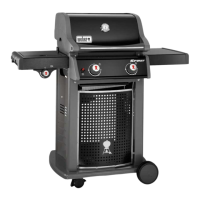



 To Next Page