EasyManua.ls Logo

Weber E-330 GBS - User Manual

Weber E-330 GBS
24 pages
Print Icon
To Next Page IconTo Next Page
Loading...
E330 GBS
Keep this Owners Manual for future reference, thoroughly read through it, and
if you have any questions please contact us today.
LP Owners Manual
REGISTER TODAY
52528
121020
en - English
Unlock barbecuing happiness: Register your GENESIS II gas grill and receive special
content to make you the ultimate backyard hero.
Registration is easy and we only ask a few quick questions. In less than two minutes,
activate your unique WEBER-ID, and unlock a lifetime of WEBER knowledge and guidance.
Stay inspired along the way.
PHONE MOBILE EMAIL ONLINE
Question and Answer IconNeed help?

Do you have a question about the Weber E-330 GBS and is the answer not in the manual?

Summary

The Weber Promise

WEBERs Voluntary Warranty

The warranty provided by Weber for their products, covering material and workmanship defects for ten years.

Owners Responsibilities & Exclusions

Outlines owner's duties for warranty coverage and situations that void the warranty.

Warranty Disclaimers

Legal limitations and exclusions to the voluntary warranty provided by Weber.

GENESIS II FEATURES

Grill Components Overview

Details features like the thermometer, warming rack, side tables, sear station, and side burner.

GS4 Grilling System

Explains the high-performance system including Infinity Ignition, Burners, Flavorizer Bars, and Grease Management.

Tips and Hints

The Flame - Direct or Indirect

Explains direct and indirect heat cooking methods, including setup diagrams.

Timer Usage

Suggests using a timer for successful cooking and avoiding burnt food.

Barbecue Mitts

Recommends wearing insulated mitts for hand and forearm protection.

Barbecuing Dos and Donts

Preparation and Technique Tips

Covers preheating, grate cleaning, being present, and food placement for better results.

Cooking Process Best Practices

Advises on lid usage, flipping food once, checking doneness, and experimenting.

Optimize Grill Space

Warming Rack Usage

Instructions on using and folding the tuck-away warming rack for convenience.

Getting Started

LP Gas & Cylinder Safety

Covers LPG properties, safe handling, cylinder requirements, and regulator basics.

Regulator and Hose Specifications

Outlines specific requirements for regulators and hoses, including country-specific standards.

LPG Cylinder Installation & Leak Checking

Connect the Regulator to the Cylinder

Step-by-step guide on connecting the regulator to the LPG cylinder using various methods.

Placement of the LPG Cylinder

Instructions for correctly placing the LPG cylinder on the hanger or ground.

Checking for Gas Leaks

Performing a Leak Check

Detailed steps for performing a soap and water leak check on gas connections.

Disconnecting the Regulator

Disconnect the Regulator from the Cylinder

Instructions for safely disconnecting the regulator from the LPG cylinder.

The Very First Time You Grill

Perform an Initial Burn-Off

Instructions for the initial burn-off process before the first use of the grill.

Every Time You Grill

Meal-to-Meal Maintenance

Routine checks for grease management and hose inspection before each use.

Preheat the Grill

Importance and steps for preheating the grill to ensure proper cooking.

Clean the Cooking Grate

Method for cleaning cooking grates after preheating for optimal performance.

Igniting the Grill

Using the Electronic Ignition System

Step-by-step guide to igniting the grill using the electronic ignition system.

To Extinguish Burners

Instructions on how to properly turn off the grill burners and gas supply.

Using the Sear Station

Ignition and Operation

Details on igniting, preheating, and using the sear station for meats.

To Extinguish Burners

Instructions on how to turn off the burners after using the sear station.

Igniting the Side Burner

Using the Electronic Ignition

Guide to igniting the side burner using the electronic ignition system.

To Extinguish Side Burner

Instructions on how to turn off the side burner and gas supply.

Cleaning and Maintenance

Cleaning the Inside of the Grill

Steps for cleaning the grill lid and removing carbonized grease deposits.

Cleaning the Cooking Grates

Method for cleaning cooking grates using a grill brush after preheating.

Cleaning the FLAVORIZER BARS

Method for scraping and brushing FLAVORIZER BARS to remove drippings.

Cleaning the Burners

Instructions for cleaning burner ports and spider screens for optimal performance.

Cleaning the Grill Exterior

Heat Deflectors and Cookbox

Cleaning heat deflectors, cookbox, and grease management system components.

Exterior Surface Cleaning

Methods for cleaning stainless steel, painted, and plastic surfaces on the grill exterior.

Troubleshooting

Burner Ignition Issues

Diagnosing and resolving issues when main burners or side burner will not ignite.

Lighting Grill with a Match

Procedure for lighting burners using a match to check gas flow.

Gas Flow Troubleshooting

Diagnosing Gas Flow Problems

Addresses low flames, uneven heating, and erratic burner patterns due to gas flow.

Spider Screens and Gas Smells

Troubleshooting yellow flames, lazy flames, and gas smells caused by obstructions.

Troubleshooting Flare-Ups

Greasy Barbecue Flare-Ups

Addresses peeling paint appearance and flare-ups caused by grease buildup.

Electronic Ignition System Issues

Checks for battery and wire connections for the electronic ignition system.

Barbecuing Guide

Cooking Times by Food Type

Provides approximate barbecue times for various meats, poultry, seafood, and vegetables.

General Cooking Guidelines

Offers rules of thumb for cooking, resting meat, and adjusting for external factors.

Replacement Parts

GENESIS II E-330 GBS Parts Diagram

An exploded view diagram illustrating all replacement parts for the GENESIS II E-330 GBS grill.

Summary

The Weber Promise

WEBERs Voluntary Warranty

The warranty provided by Weber for their products, covering material and workmanship defects for ten years.

Owners Responsibilities & Exclusions

Outlines owner's duties for warranty coverage and situations that void the warranty.

Warranty Disclaimers

Legal limitations and exclusions to the voluntary warranty provided by Weber.

GENESIS II FEATURES

Grill Components Overview

Details features like the thermometer, warming rack, side tables, sear station, and side burner.

GS4 Grilling System

Explains the high-performance system including Infinity Ignition, Burners, Flavorizer Bars, and Grease Management.

Tips and Hints

The Flame - Direct or Indirect

Explains direct and indirect heat cooking methods, including setup diagrams.

Timer Usage

Suggests using a timer for successful cooking and avoiding burnt food.

Barbecue Mitts

Recommends wearing insulated mitts for hand and forearm protection.

Barbecuing Dos and Donts

Preparation and Technique Tips

Covers preheating, grate cleaning, being present, and food placement for better results.

Cooking Process Best Practices

Advises on lid usage, flipping food once, checking doneness, and experimenting.

Optimize Grill Space

Warming Rack Usage

Instructions on using and folding the tuck-away warming rack for convenience.

Getting Started

LP Gas & Cylinder Safety

Covers LPG properties, safe handling, cylinder requirements, and regulator basics.

Regulator and Hose Specifications

Outlines specific requirements for regulators and hoses, including country-specific standards.

LPG Cylinder Installation & Leak Checking

Connect the Regulator to the Cylinder

Step-by-step guide on connecting the regulator to the LPG cylinder using various methods.

Placement of the LPG Cylinder

Instructions for correctly placing the LPG cylinder on the hanger or ground.

Checking for Gas Leaks

Performing a Leak Check

Detailed steps for performing a soap and water leak check on gas connections.

Disconnecting the Regulator

Disconnect the Regulator from the Cylinder

Instructions for safely disconnecting the regulator from the LPG cylinder.

The Very First Time You Grill

Perform an Initial Burn-Off

Instructions for the initial burn-off process before the first use of the grill.

Every Time You Grill

Meal-to-Meal Maintenance

Routine checks for grease management and hose inspection before each use.

Preheat the Grill

Importance and steps for preheating the grill to ensure proper cooking.

Clean the Cooking Grate

Method for cleaning cooking grates after preheating for optimal performance.

Igniting the Grill

Using the Electronic Ignition System

Step-by-step guide to igniting the grill using the electronic ignition system.

To Extinguish Burners

Instructions on how to properly turn off the grill burners and gas supply.

Using the Sear Station

Ignition and Operation

Details on igniting, preheating, and using the sear station for meats.

To Extinguish Burners

Instructions on how to turn off the burners after using the sear station.

Igniting the Side Burner

Using the Electronic Ignition

Guide to igniting the side burner using the electronic ignition system.

To Extinguish Side Burner

Instructions on how to turn off the side burner and gas supply.

Cleaning and Maintenance

Cleaning the Inside of the Grill

Steps for cleaning the grill lid and removing carbonized grease deposits.

Cleaning the Cooking Grates

Method for cleaning cooking grates using a grill brush after preheating.

Cleaning the FLAVORIZER BARS

Method for scraping and brushing FLAVORIZER BARS to remove drippings.

Cleaning the Burners

Instructions for cleaning burner ports and spider screens for optimal performance.

Cleaning the Grill Exterior

Heat Deflectors and Cookbox

Cleaning heat deflectors, cookbox, and grease management system components.

Exterior Surface Cleaning

Methods for cleaning stainless steel, painted, and plastic surfaces on the grill exterior.

Troubleshooting

Burner Ignition Issues

Diagnosing and resolving issues when main burners or side burner will not ignite.

Lighting Grill with a Match

Procedure for lighting burners using a match to check gas flow.

Gas Flow Troubleshooting

Diagnosing Gas Flow Problems

Addresses low flames, uneven heating, and erratic burner patterns due to gas flow.

Spider Screens and Gas Smells

Troubleshooting yellow flames, lazy flames, and gas smells caused by obstructions.

Troubleshooting Flare-Ups

Greasy Barbecue Flare-Ups

Addresses peeling paint appearance and flare-ups caused by grease buildup.

Electronic Ignition System Issues

Checks for battery and wire connections for the electronic ignition system.

Barbecuing Guide

Cooking Times by Food Type

Provides approximate barbecue times for various meats, poultry, seafood, and vegetables.

General Cooking Guidelines

Offers rules of thumb for cooking, resting meat, and adjusting for external factors.

Replacement Parts

GENESIS II E-330 GBS Parts Diagram

An exploded view diagram illustrating all replacement parts for the GENESIS II E-330 GBS grill.

Overview

This document is an owner's manual for the Weber Genesis II E-330 GBS gas grill, providing comprehensive information on its features, safe operation, maintenance, and troubleshooting. The grill is designed for outdoor use and offers a high-performance grilling system for an enhanced barbecuing experience.

Function Description

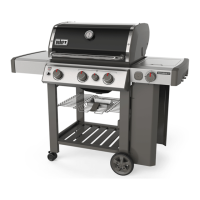
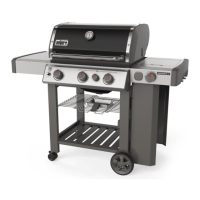
The Weber Genesis II E-330 GBS is a gas grill designed for outdoor cooking. Its primary function is to cook food using direct or indirect heat from propane gas burners. The grill incorporates the GS4 High Performance Grilling System, which includes several key components working together to deliver consistent heat, flavor, and ease of use.

The grill features an Infinity Ignition system, ensuring reliable ignition of the burners every time. It is equipped with multiple burners, specifically designed with a unique, tapered shape to provide consistent gas flow and ultimate heat distribution across the cooking grates, ensuring food grills evenly.

A key feature is the FLAVORIZER BARS, made of stainless steel and angled to catch drippings. These drippings smoke and sizzle, adding an irresistible smoky flavor to the food. The grill also includes a Grease Management System, which funnels unvaporized drippings away from the burners into a disposable drip tray located within a removable catch pan, helping to prevent grease fires and making cleanup easier.

For versatile cooking, the grill includes a GOURMET BBQ SYSTEM Cooking Grate. This grate has a circular insert that can be removed and replaced with various GOURMET BBQ SYSTEM inserts (sold separately), such as a griddle, poultry roaster, or pizza stone, transforming the grill for different culinary tasks.

Additional cooking functionalities include a Sear Station, designed to create an intense heat zone for quickly adding sear marks to meat, and a Side Burner, which allows users to simmer BBQ sauces or sauté vegetables while the main course cooks under the lid. A TUCK-AWAY Warming Rack keeps food warm or toasts buns, and can be folded down when not in use for easy storage.

The grill is also iGRILL 3 Compatible (accessory sold separately), allowing users to monitor food temperatures in real-time via a mobile device app. A Built-In Thermometer provides an easy way to monitor the internal temperature of the grill, enabling precise heat adjustments.

Usage Features

The Genesis II E-330 GBS is designed for user-friendly operation, from setup to cooking and extinguishing.

Getting Started:

Before first use, the manual emphasizes the importance of proper LPG cylinder installation and leak checking. It provides detailed instructions for connecting the regulator to various cylinder types (clockwise, anti-clockwise, lever and snap, sliding collar) and for placing the LPG cylinder, either on a hanger or on the ground, depending on its size. A leak check procedure using a soap and water solution is outlined to ensure safety.

Ignition:

The grill utilizes an electronic ignition system. To ignite the main burners, the user must open the lid, ensure all control knobs are in the off position, turn on the gas supply from the cylinder, push in and turn the leftmost burner control knob to the start/high position, and then push and hold the electronic ignition button. The process is repeated for additional burners. Similar steps are provided for igniting the Side Burner, with an emphasis on opening the side burner lid. Safety warnings, such as opening the lid during ignition and not leaning over the grill, are highlighted.

Cooking Methods:

The manual explains two primary cooking methods:

  • Direct Heat: Used for small, tender pieces of food that cook quickly (less than 20 minutes), such as hamburgers, steaks, and vegetables. The food is placed directly over the lit burners, searing surfaces and developing flavors.
  • Indirect Heat: Ideal for larger cuts of meat or delicate foods that require longer cooking times (20 minutes or more), such as roasts, whole poultry, or ribs. Heat is applied from the sides or one side of the barbecue, with the food placed over the unlit part of the cooking grate.

Sear Station Usage:

To use the Sear Station, all burners, including the sear burner, are ignited and preheated. The sear burner and adjacent burners are kept on high, while other burners can be turned off or to low. Meat is placed directly over the sear station for 1-4 minutes per side to create sear marks, then moved to moderate heat for finishing.

Extinguishing:

To turn off the grill, each burner control knob is pushed in and turned clockwise to the off position, followed by turning off the gas supply at the LPG cylinder.

Tips and Hints:

The manual offers practical advice for optimal grilling:

  • Preheat Every Time: Always preheat the grill on the highest setting for 10-15 minutes until the lid thermometer reads 260°C (500°F) to prevent sticking and ensure proper searing.
  • Clean Grates: Barbecue on clean cooking grates to prevent food from sticking and to avoid transferring flavors from previous meals.
  • Be Present: Have all necessary tools, seasoned food, and platters within reach to avoid leaving the grill unattended.
  • Elbow Room: Leave adequate space on the cooking grates to easily move food around.
  • Don't Peek: Keep the lid closed to maintain heat and smoke, which speeds up cooking and enhances smoky flavors.
  • Flip Once: Turn food only once to achieve a deep sear and caramelization.
  • Tame the Flame: Use an instant-read thermometer to check food doneness and prevent overcooking.
  • Experiment: Encourage users to explore different recipes and techniques beyond traditional grilling.

Maintenance Features

Regular cleaning and maintenance are crucial for the longevity and performance of the Genesis II E-330 GBS grill. The manual outlines a "Meal-to-Meal Maintenance" plan and more thorough cleaning procedures.

Meal-to-Meal Maintenance:

  • Check for Grease: Before each use, inspect and clean the slide-out grease tray and catch pan to remove excessive grease and prevent fires. The disposable drip pan should be replaced as needed.
  • Inspect the Hose: Routinely check the gas hose for cracks, abrasions, or cuts. A damaged hose must be replaced with a Weber-authorized part.
  • Clean Cooking Grates: After preheating, brush the cooking grates with a stainless steel bristle grill brush to remove any leftover food or debris.
  • Cleaning the Lid: Carbonized grease flakes can accumulate on the inside of the lid, resembling peeling paint. These should be brushed off with a stainless steel bristle grill brush. Wiping the lid with a paper towel while still warm can minimize build-up.
  • Cleaning FLAVORIZER BARS: Scrape the FLAVORIZER BARS with a plastic scraper, and if necessary, brush them with a stainless steel bristle grill brush to remove drippings and prevent flare-ups.
  • Cleaning the Burners: Focus on cleaning the burner ports (small raised openings) and the spider/insect screens. Use a clean stainless steel bristle grill brush for the burner ports, being careful around the ignition electrode. A soft bristle brush is used for the spider/insect screens to ensure proper oxygen flow.
  • Cleaning Heat Deflectors: Scrape and brush the heat deflectors, located under the burners, to maintain even heat distribution.
  • Cleaning the Cookbox: Scrape debris from the sides and bottom of the cookbox into the grease management system opening.
  • Cleaning Outside Surfaces:
    • Stainless Steel: Use a non-toxic, non-abrasive stainless steel cleaner or polish with a microfiber cloth, cleaning in the direction of the grain. Avoid abrasive pastes or paper towels.
    • Painted, Porcelain-Enameled, and Plastic: Clean with warm soapy water and paper towels or cloth, then rinse and dry thoroughly.
    • Unique Environments (e.g., coastal areas): Clean the exterior more frequently with warm soapy water, rinse, and dry thoroughly. Weekly application of a stainless steel cleaner may be beneficial to prevent rust.

Troubleshooting:

The manual includes a troubleshooting section for common issues:

  • Burners Not Igniting: Provides steps to determine if the problem is with gas flow or the electronic ignition system. Users are guided to perform a match lighting test to isolate the issue.
  • Gas Flow Problems: Addresses issues like low flame, uneven heating, or burners failing to ignite due to activated "flow limiting devices," low LPG cylinder levels, kinked hoses, or dirty burner ports. Solutions include resetting the flow limiting device, refilling the cylinder, straightening the hose, or cleaning burner ports.
  • Yellow/Lazy Flames: Suggests cleaning spider screens if flames appear yellow and lazy, indicating obstructed combustion air openings.
  • Smell of Gas/Hissing Sound: Advises inspecting the internal rubber seal in the LPG cylinder valve for damage and returning the cylinder to the retailer if necessary.
  • Greasy Barbecue (Peeling Paint & Flare-Ups): Explains that "peeling paint" on the lid is carbonized cooking vapors and not a defect, requiring cleaning. Flare-ups are attributed to leftover food or a dirty cookbox, emphasizing the need for preheating and thorough cleaning.
  • Electronic Ignition System Problems: Guides users to check the battery (for plastic wrap, correct installation, and age) and the ignition wires (for secure connections and proper attachment to the module).

The manual stresses the use of genuine Weber-Stephen parts for any repairs or replacements to maintain warranty protection and safety. It also provides contact information for customer service and replacement parts.

Weber E-330 GBS Specifications

General IconGeneral
Main Burners3
Side BurnerYes
Gourmet BBQ System GrateYes
Sear BurnerYes
Total Cooking Area637 square inches
Primary Cooking Area507 square inches
Warming Rack Area130 square inches
Fuel TypeLiquid Propane
Ignition SystemElectronic Crossover
Dimensions - Lid Open59"W
Dimensions - Lid Closed59 W
BTU Output12, 000 BTU-per-hour side burner
Grill MaterialStainless Steel

Related product manuals