EasyManua.ls Logo

Westinghouse WGRT 150 Series - User Manual

Westinghouse WGRT 150 Series
12 pages
Print Icon
To Next Page IconTo Next Page
Loading...
WHL-005 REV. 6.1.17
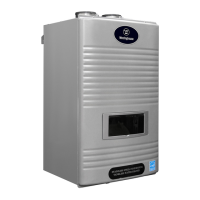
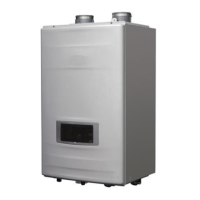
Tankless
Water Heater
USER’S
INFORMATION
MANUAL
Models
WGRT**150 / WGRT**199 /
WGRTC**199
**A suffix of “LP” denotes propane gas
**A suffix of “NG” denotes natural gas
NOTICE: Westinghouse reserves the right to make product changes or updates without notice and will not be held liable for
typographical errors in literature.
NOTE TO CONSUMER: PLEASE KEEP ALL INSTRUCTIONS FOR FUTURE REFERENCE.
The surfaces of these products contacted by consumable water contain less than 0.25% lead by weight, as required by the Safe
Drinking Water Act, Section 1417.
IF THE INFORMATION IN THIS MANUAL IS NOT FOLLOWED EXACTLY, A FIRE OR EXPLOSION MAY RESULT, CAUSING
PROPERTY DAMAGE, PERSONAL INJURY, OR LOSS OF LIFE. DO NOT STORE GASOLINE OR OTHER FLAMMABLE VAPORS
AND LIQUIDS IN THE VICINITY OF THIS OR ANY OTHER WATER HEATER.
WHAT TO DO IF YOU SMELL GAS
Do not try to light any water heater.
Do not touch any electrical switch.
Do not use any phone in your building.
Immediately call your gas supplier from a neighbor’s phone. Follow the gas supplier’s instructions.
If you cannot reach your gas supplier, call the fire department. Installation and service must be provided by a qualified installer,
service agency, or the gas supplier.
Question and Answer IconNeed help?

Do you have a question about the Westinghouse WGRT 150 Series and is the answer not in the manual?

Overview

This document is the User's Information Manual for Westinghouse Tankless Water Heaters, specifically models WGRT150, WGRT199, and WGRTC199. The "" suffix indicates either "LP" for propane gas or "NG" for natural gas. The manual emphasizes safety, operation, and maintenance of these devices.

Function Description:

The Westinghouse Tankless Water Heater is designed to provide domestic hot water. Unlike traditional tank water heaters, it heats water on demand, meaning it does not store hot water but rather heats it as it flows through the unit. This appliance features an automatic ignition device that lights the burner, eliminating the need for a pilot light. It is equipped with a factory-installed overheating prevention device that shuts down the water heater if the water temperature exceeds a set limit, and some local codes may require additional temperature limiting devices. The unit also includes a freeze protection function, utilizing a ceramic heater inside the heat exchanger to prevent freezing.

Important Technical Specifications:

  • Gas Type: Available in Natural Gas (NG) or Liquid Propane (LP) versions, indicated by a suffix on the model number (e.g., WGRT**150-NG). It is crucial to ensure the connected gas type matches the water heater's specified gas type to avoid improper operation, property damage, personal injury, or death.
  • Power Supply: Operates on 120V 60Hz electrical power.
  • Water Temperature: Water temperature over 125°F can cause severe burns instantly or death from scalds, especially for children, the disabled, and the elderly. The manual advises setting the thermostat to a desired temperature and feeling the water before bathing or showering. Temperature limiting valves are available.
  • Lead Content: Surfaces contacted by consumable water contain less than 0.25% lead by weight, complying with the Safe Drinking Water Act, Section 1417.
  • Safety Features:
    • Automatic ignition device.
    • Overheating prevention device.
    • Freeze protection function with an internal ceramic heater.
    • Blocked vent shutoff system (Error Codes Er:29, Er:41, or Er:94 indicate this condition).
    • Requires proper ventilation to prevent carbon monoxide hazards.
    • Designed to prevent operation if not completely filled with water.

Usage Features:

  • Operating Instructions:
    1. Read safety information.
    2. Set thermostat to the lowest setting (ensure unit is filled with water).
    3. Turn OFF electrical power.
    4. Do not attempt to light burner by hand.
    5. Turn gas shut-off valve clockwise to "OFF."
    6. Wait five minutes to clear gas. If gas is still smelled, follow "WHAT TO DO IF YOU SMELL GAS" instructions on page 2.
    7. Turn manual gas shut-off valve counter-clockwise to "ON."
    8. Turn ON electrical power.
    9. Wait for default temperature (125°F) to display, then set desired water temperature and turn on a hot water faucet.
    10. Set thermostat to desired setting.
    11. If the appliance doesn't operate, follow "TO TURN OFF GAS TO APPLIANCE" instructions and call a service technician.
  • Turning Off Gas to Appliance:
    1. Set thermostat to the lowest setting.
    2. Turn off all electric power.
    3. Turn manual gas shutoff valve to "OFF."
  • Gas Leak Detection: Frequently check gas pipes and connections with a soapy solution. Bubbles indicate a leak.
  • Control Panel: Used to power on/off the unit, set desired water temperature, and display error codes.
  • Water Flow Sensor: The unit activates when the inlet water flow sensor detects flow over 0.5 gpm.
  • Blower Operation: The blower operates for one minute after combustion stops to vent remaining exhaust gas, which is normal.
  • DHW Mode Setpoint: Cannot be changed above 120°F as a safety device to prevent scalding.

Maintenance Features:

  • Annual Service (by Qualified Service Technician):
    • Address reported problems.
    • Inspect and clean the interior cabinet.
    • Clean and fill the condensate trap with fresh water.
    • Check and ensure the condensate neutralizer is full of marble chips (if applicable).
    • Check for water, gas, flue, and condensate leaks.
    • Verify exhaust vent and intake piping are in good condition, sealed, and properly braced.
    • Check water heater water pressure, piping, and expansion tank.
    • Check control settings, ignition electrode (sand off white oxide, clean, reposition), ignition and ground wiring, and all control wiring and connections.
    • Check burner flame pattern (stable and uniform).
    • If combustion or performance is poor: clean heat exchanger and flue ways, remove and clean burner head with compressed air.
  • Owner Maintenance (Periodically):
    • Daily:
      • Check surrounding area for combustible/flammable materials and air contaminants (chlorine, fluorine products) as these can cause acidic condensate and damage the unit. Remove contaminants immediately or relocate the intake pipe.
      • Ensure the water heater cabinet is closed.
      • Check power source connection.
      • Observe control panel for power and error codes.
      • Verify exhaust vent and intake pipe terminations are clean and free of obstructions.
    • Monthly:
      • Visually inspect exhaust vent and intake piping for blockages, leakage, deterioration, and bracing.
      • Check the primary pressure relief valve and discharge pipe for weeping or leakage. If it weeps often, the expansion tank may not be operating properly.
      • Check the condensate drain system for flue gas leaks (indicated by a dry condensate drain trap). Ensure the condensate neutralizer is full of marble chips (if applicable).
      • Clean the air intake filter once a month (or more frequently if needed) by removing it, cleaning with a toothbrush and running water, drying completely, and reinserting.
    • Every 6 Months:
      • Check water heater piping and gas supply piping for corrosion or signs of potential leakage.
      • Operate the pressure relief valve: Lift the lever to ensure water flows freely, then release. Check for weeping. If it weeps or doesn't flow, contact a technician. Ensure the discharge line is properly installed to a safe place of disposal.
  • Annual (by Qualified Service Technician):
    • Check and clean the burner.
    • Clean the cold water inlet filter.
    • Flush the water heater heat exchanger.

Important Safety Warnings:

  • Never operate the water heater if any part has been under water.
  • Do not attempt to install, repair, or service the water heater yourself; contact a qualified technician.
  • Do not use spray paint, hair spray, or other flammable sprays near the water heater or its exterior fresh air intake pipe termination.
  • Do not obstruct the exhaust vent or intake pipe.
  • Protect gas ignition system components from water.
  • Do not use the water heater for unapproved purposes, as this voids the warranty and can cause damage or injury.
  • Do not wipe the water heater or control panel with a wet cloth due to electric shock risk.
  • Do not shut off the water heater for long periods during freezing conditions unless the system is drained.
  • Do not attempt to disassemble the water heater.
  • Do not touch the exhaust vent or hot water pipes during operation due to burn risk.
  • Be aware of carbon monoxide poisoning risks from exhaust gas leaks.
  • Do not store flammable or combustible materials near the water heater.
  • Address water leaks immediately.
  • If error codes Er:29, Er:41, or Er:94 occur (blocked vent shutoff), turn off the gas valve, check vent terminations for obstructions, and reset. If the error persists, call a qualified technician.

Westinghouse WGRT 150 Series Specifications

General IconGeneral
BrandWestinghouse
ModelWGRT 150 Series
CategoryWater Heater
LanguageEnglish

Related product manuals