
 Need help?
Do you have a question about the Widex EVOKE and is the answer not in the manual?
Ensure the Bluetooth function on your Android phone is turned on for device discovery.
Access the phone's Settings app, then locate and select the 'Bluetooth' option within the Network settings.
Turn your hearing aids off and then on again by opening and closing the battery door to make them discoverable.
Allow the phone to search for devices, then select your hearing aids from the 'Available Devices' list to pair them.
After pairing, exit Bluetooth settings and open the Widex EVOKE application on your phone.
Your hearing aids are now paired. The app allows program changes, parameter adjustments, and audio streaming.
This manual describes the process of connecting an Android phone to Widex EVOKE hearing aids, enabling users to manage their hearing experience and stream audio directly from their phone. The connection process is designed to be straightforward, guiding users through the necessary steps to pair their devices and unlock a range of enhanced functionalities.
The primary function of connecting an Android phone to Widex EVOKE hearing aids is to provide users with remote control over their hearing aids and to facilitate audio streaming. Once connected, the Android phone acts as a central control hub, allowing users to adjust various settings of their hearing aids without physically touching them. This includes changing hearing aid programs, which are pre-set configurations optimized for different listening environments (e.g., quiet, noisy, music). Users can also fine-tune multiple parameters of their hearing aids, such as volume, bass, and treble, to personalize their listening experience according to their preferences and the specific acoustic environment they are in.
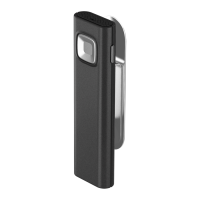
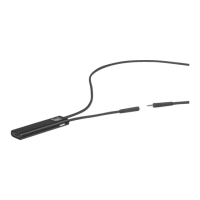
Beyond control, a key function is audio streaming. With the aid of an intermediary device called the Widex COM-DEX, Android phone users can stream phone calls directly to their hearing aids. This means that when a call comes in, the audio from the caller is transmitted wirelessly to both hearing aids, providing a clear and immersive listening experience. This feature is particularly beneficial in noisy environments where holding a phone to the ear might be challenging, or for individuals who prefer hands-free communication. In addition to phone calls, the COM-DEX also enables streaming of other media audio, such as music, podcasts, and video sound. This transforms the hearing aids into high-quality wireless headphones, allowing users to enjoy their favorite audio content with clarity and convenience. The integration of these features aims to enhance the overall user experience, making hearing aids more versatile and integrated into daily digital life.
The usage features are designed for ease of access and intuitive control. The process begins with ensuring Bluetooth is activated on the Android phone, a standard connectivity feature. Users then navigate to the phone's "Settings" app, typically represented by a gear icon, and locate the "Network" subfolder to access Bluetooth settings. This hierarchical menu structure is common in Android interfaces, making it familiar to most users.
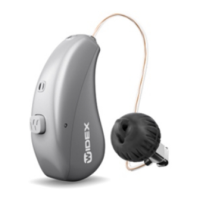
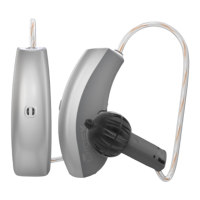
A crucial step in the pairing process involves physically interacting with the hearing aids: turning them off and then back on by opening and closing the battery door. This action resets the hearing aids and puts them into a discoverable mode, allowing the phone to detect them. The system then automatically searches for available devices, displaying them in a list. The manual specifies that hearing aids will appear under "Available Devices" and provides an example of how they might be titled (e.g., "test Hearing aids"). Users are instructed to select each hearing device to initiate the pairing process. Once paired, the hearing aids move to the "Paired Devices" list, confirming a successful connection.
After pairing, users exit the Bluetooth menu by pressing the home button on their phone and then locate and click on the "Widex EVOKE App." This dedicated application serves as the primary interface for controlling the hearing aids. Within the app, users gain access to a range of controls. They can change hearing aid programs, which are pre-set listening modes tailored for different situations. For instance, there might be programs for quiet conversations, noisy restaurants, or listening to music. The app also allows for the adjustment of multiple parameters, offering granular control over the sound quality. This includes volume adjustments, as well as potentially more advanced settings like bass and treble, enabling users to customize their sound experience to their personal preferences and the specific acoustic environment.
For audio streaming, the Widex COM-DEX is an essential intermediary device for Android users. This device facilitates the transmission of phone calls, music, podcasts, and video sound directly to the hearing aids. This means that users can answer calls and listen to media content hands-free, with the audio routed directly into their hearing aids for a clear and personalized listening experience. The app's interface is designed to be user-friendly, with clear icons and menus that allow for quick and efficient adjustments. The overall design emphasizes convenience, allowing users to manage their hearing aids discreetly and effectively through their smartphone.
The manual primarily focuses on the initial setup and usage of the Widex EVOKE hearing aids with an Android phone, rather than detailing specific maintenance features for the hearing aids themselves. However, implicit "maintenance" in the context of connectivity involves ensuring the software and hardware components are functioning correctly for optimal performance.
One key aspect of maintaining the connection and functionality is ensuring the Android phone's Bluetooth is consistently activated. If Bluetooth is inadvertently turned off, the connection to the hearing aids will be lost, and the user will need to reactivate it to re-establish control and streaming capabilities. This is a basic but critical "maintenance" check for connectivity.
Another implicit maintenance feature relates to the Widex EVOKE App. While not explicitly stated, it is generally good practice to keep the app updated to its latest version. Software updates often include bug fixes, performance improvements, and new features that can enhance the stability and functionality of the connection and the hearing aid controls. Regularly checking for and installing app updates ensures that users benefit from the most reliable and feature-rich experience.
The manual also highlights the role of the Widex COM-DEX for Android users to stream phone calls and media. While not a hearing aid maintenance feature, ensuring the COM-DEX itself is charged and functioning correctly is crucial for maintaining the streaming capabilities. If the COM-DEX is not working, the streaming functionality will be compromised, even if the hearing aids and phone are otherwise connected.
From a broader perspective, the act of turning the hearing aids off and on by opening and closing the battery door, as described in the pairing process, can also be seen as a form of basic troubleshooting or "maintenance." This action effectively reboots the hearing aids, which can resolve minor connectivity glitches or put them into a discoverable mode if they are not being detected by the phone. This simple reset mechanism is a common first step in resolving many electronic device issues.
While the manual does not delve into physical cleaning or battery replacement for the hearing aids, the focus on a stable and functional digital connection implies that users should ensure their hearing aids are in good working order to fully utilize the smartphone connectivity features. A well-maintained hearing aid, both physically and in terms of its internal software, will be more responsive and reliable when paired with an Android phone. Therefore, while not explicitly listed as "maintenance features" in the traditional sense, the steps outlined for establishing and maintaining the digital link contribute to the overall functional upkeep of the hearing aid system.
 General
| SoundSense Technology | Yes |
|---|---|
| Fluid Sound Analyzer | Yes |
| Wireless Connectivity | Yes |
| Number of Channels | 15 |
| Feedback Cancelling | Yes |
| Category | Hearing Aid |
| Manufacturer | Widex |
| Technology | Digital |
| Connectivity | Bluetooth |
| Smartphone App | Yes |
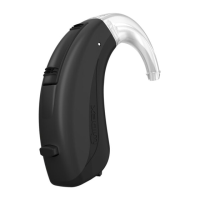
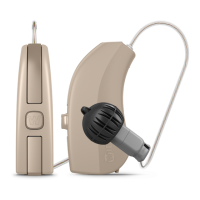
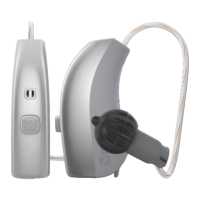
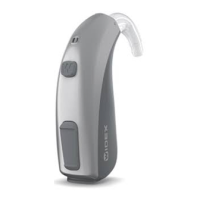
| Styles | RIC, BTE, ITE |
| Tinnitus Masker | Yes |
| Water Resistance | IP68 |
| Sound Class Technology | Yes |
| Battery Type | Zinc-Air or Rechargeable |
| App Compatibility | Yes |
| Rechargeable Option | Yes |
| Frequency Range | 100 Hz to 10 kHz |



 To Next Page