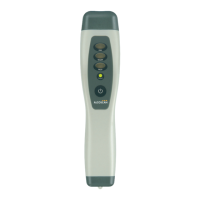
The WR3 Alcohol Interlock is an in-car breath alcohol screening instrument designed to prevent a vehicle from starting if the driver's breath alcohol concentration (BrAC) exceeds a preset limit. It is installed inside the vehicle, typically near the driver's seat, and connects directly to the vehicle's ignition system. The system comprises a handset and a relay module. The relay module controls the vehicle's ignition and stores the handset settings. To ensure compliance and prevent circumvention, the interlock requests additional breath samples at random intervals during a trip. The WR3 utilizes the same alcohol sensing technology found in police roadside screening devices, employing a special alcohol-sensitive cell to detect breath alcohol, which is directly proportional to blood alcohol concentration (BAC).
Important Safety and Usage Precautions:
- Retest Requests: If a retest is requested, drivers must safely stop the vehicle at the side of the road and successfully complete a breath test before resuming driving.
- Tampering: Opening the handset case will void the warranty and may damage internal components. Tampering with or attempting to circumvent the WR3 is considered a program violation.
- Environmental Exposure: Avoid prolonged exposure of the handset to direct sunlight.
- Liquid Spills: In case of a liquid spill, remove excess moisture with a cloth and allow the handset to dry thoroughly. If significant moisture damage is suspected, do not turn on the handset and contact the local service center.
- RF Interference: Keep all radio frequency (RF) transmitting devices, such as cell phones, away from the WR3 to minimize potential interference.
- Pre-Test Conditions: To ensure accurate test results, do not eat, smoke, or drink for at least 10 minutes before taking a test. Rinsing the mouth with water after using mouthwash or mouth spray can help remove residual alcohol. Avoid spraying air fresheners, disinfectants, cologne, or perfume in the vehicle before a test, as these may contain alcohol.
- Alcohol Influence: Drinking alcohol or consuming foods containing alcohol will lead to a failed test. Certain medicines, drops, smoking, mouthwash, or mouth spray can also affect test results due to residual alcohol in the mouth.
Technical Specifications:
- Operating Temperature: The WR3 is designed to operate within an ambient temperature range of -40°C to +85°C.
- Warm-up Time: The handset requires a warm-up period, which varies with ambient temperature (e.g., approximately 15 seconds at 20°C, about 1 minute at 0°C).
- Battery Voltage: For 12V interlock systems, the vehicle battery voltage powering the relay module and handset should be between 9V and 18V.
Usage Features:
- Automatic Power-On: The interlock automatically turns on when plugged in, displaying "Wait" during warm-up.
- Sleep Mode: If the interlock is plugged in but in sleep mode, it can be reactivated by pressing the right button or by cycling the ignition key between On and Off positions (ignition must be OFF to proceed).
- Mouthpiece Insertion: Always insert a clean mouthpiece for hygiene and to ensure a usable breath sample.
- Breath Test Procedure:
- Once "Ready for test" is displayed, insert a clean mouthpiece.
- Blow moderately and continuously while humming into the mouthpiece. The handset will emit a tone to indicate proper airflow and hum. Incorrect blowing will trigger instructional messages.
- Stop blowing when the handset clicks and the tone ceases. "Wait" will display as the sample is analyzed.
- Test Results:
- "Start Motor": Indicates a passed breath test with no alcohol detected. The motor must be started within five minutes.
- "Caution" (BAC limit warning): Indicates a passed test with alcohol detected below the allowable limit. Drivers have two options:
- Wait five minutes and retest if confident no alcohol is in the system.
- Press the "Start" button to acknowledge intent to drive with detected alcohol. The motor must be started within five minutes. WR3 will have warned about the detected alcohol, but driving can continue.
- "Lockout": Indicates a failed breath test with alcohol above the preset limit. The motor cannot be started. A countdown timer will display, and another test can only be attempted after the countdown finishes. A second failed test may result in a longer lockout time.
- Warm-up and Standby Modes (where applicable):
- After starting the vehicle, "Drive Safely" is displayed.
- Warm-up Mode: Hold the left button to enter Warm-up mode, allowing the vehicle to idle for up to 30 minutes without requiring another breath test. This mode exits if the engine RPMs increase or by holding the right button.
- Standby Mode (commercial vehicles): Similar to Warm-up mode, but with unlimited idle time.
- Restarting the Motor: If the motor is turned off for a short period, it may be restarted without another breath test.
- "Restart Available": Allows immediate motor restart without a breath test. To cancel, press and hold the right button.
- "Blow for 5 seconds": Indicates the restart period has expired, requiring a new breath test to start the motor.
- Running Retests: Additional breath tests are required at random intervals during a trip to ensure no alcohol consumption since starting the motor.
- "Retest": The handset beeps and displays "Retest." Do not perform the test while the vehicle is in motion; the interlock provides sufficient time to stop safely.
- "Drive safely": Indicates a passed retest, allowing continued driving.
- "Pull over, Turn off Motor": Indicates a failed retest with alcohol above the preset limit. "Lockout" and a countdown timer will display. The motor cannot be started until a passed breath test is provided. Drivers must safely stop the vehicle and complete a successful breath test before resuming driving.
- Menu Options:
- Wake-Up Mode: Allows scheduling the handset to "wake up" up to three times daily, ensuring it's warmed up. This feature is automatically disabled if the handset is unused for three consecutive days and requires sufficient vehicle battery charge.
- Sleep Mode: Manually or automatically puts the handset into sleep mode when the ignition is off to conserve battery. Manual activation by pressing and holding both buttons. Offers pre-programmed sleep times (5, 30, 60, 90 minutes).
- Time Mode: Adjusts the handset time for time zones or daylight savings. This adjustment primarily affects the Wake-Up feature and does not change times in the Service Date list.
- Date Mode: Allows viewing important dates like Current Date, Service Date, Lockout Date, Calibration Date, and Calibration Expiry Date.
- Language Mode: Selects from multiple factory-programmed languages.
- Volume Mode: Adjusts the audio tone volume of the handset (does not affect the Relay Module volume).
Maintenance Features:
- Cleaning: During field use, the WR3 is susceptible to dirt and debris. Clean the handset with a damp cloth and mild soap. Do not use abrasive cleaners or solvents.
- Periodic Service: Regular service appointments are required for maintenance and data download. These appointments typically take less than 20 minutes. Consult the compliance guide for specific interval dates.
- Service Dates: After installation, a follow-up appointment is required, followed by regular scheduled service appointments. These appointments verify interlock accuracy and download the log of breath tests.
- Error Messages: The manual provides a troubleshooting table for common issues and error messages, including "ABORT," "Early Recall," "Immediate Recall," "Missed Retest," "Missed Service," "Permanent Lockout," "Pull Over, Turn off Motor," "Service Due," "Start Violation," "Try again," and "Turn key off," along with their descriptions and recommended actions.
- Reset Codes: Service personnel use randomly generated, daily changing reset codes to modify service dates, early recall dates, lockout dates, and to override the interlock in emergencies. Attempting to circumvent these codes is a program violation.
- Emergency Override: Available for true emergencies; misuse is a program violation.
- Third-Party Maintenance (TPM): Repair shops enter a TPM code when working on the vehicle.
- Other: Reset codes can also address mistakes (e.g., early recall) or valid reasons for missing service appointments.
- Disposal: At the end of its service life, the interlock unit (relay module, handset, or both) should be returned to the dealer for proper removal and disposal by the manufacturer.
- Replacement Parts: Mouthpieces (Bag of 25, ACS Part Number: 95-000140) can be obtained from the service center.
For further information and support, users should contact their local service center. Drivers are responsible for all installation and maintenance costs associated with the alcohol interlock program.



 To Next Page


 General