6
3. By the regulation of certain parameters in the stove. This regulation can be performed only by an authorized
service centre of Alfa plam.
− Ensure that the connection for the house chimney is properly sealed.
− Avoid any contact with easily combustible material (such as wooden beams), and in any case these should be
insulated with fire resistant material (see Figure 2).
A) Mineral wool
B) Steel pipes
C) Partition plate.
The stove is designed for the connection to the chimney with flue pipes whose diameter is 80mm. If the standard
chimney is not used but a new one is being constructed or the existing chimney is being refurbished, use insulated
stainless steel pipes (double wall) with a diameter in accordance with Table 1. The use of flexible pipes is not allowed.
SYSTEM TYPE DIAMETER mm
SYSTEM ASSESMENT
Pipe shorter than 5 m 80 acceptable
Pipe longer than 5 m 100 obligatory
Installation at places where the elevation above the sea
level is higher than 1,200 meters
100 recommendable
Table 1
When you use a connecting pipe between the stove and the discharge flue pipe, you must also use a “T” coupling (as
it is shown in Figures 5 and 6), with the cover for the purpose of cleaning (plug) next to the stove. The application of
this “T” coupling must enable the collection of ashes generated inside the pipe and cleaning of the discharge flue pipe
from time to time without removing the pipe. The smoke is under mild pressure. Because of this, it is necessary to
check if the opening i.e. the cover (plug) for cleaning the smoke discharge system is perfectly sealed and if it remains
perfectly sealed after each cleaning. Ensure that the assembly is carried out in the same order and check the condition
of the seal.
The installation of the flue pipes should be performed in accordance with Figure 7.
It is strictly recommended to avoid using horizontal extensions or elongations and if this is necessary, ensure that the
pipe is not counter leaned but that it has an inclination of at least 5%. The horizontal extensions must never be longer
than 3 m.
It is not recommendable to connect the flue pipe directly to the stove with a horizontal extension longer than 1 m. See
Figures 4, 5, 6 and 8. It is necessary to put a vertical extension of Ø 80mm with a length of at least 1-1.5 m after the
“T” claw, and only after that proceed to a horizontal extension of Ø 80mm and a vertical extension of Ø 80 or Ø 100mm
depending on the height of the flue pipe (chimney), as it is shown in Table 1.
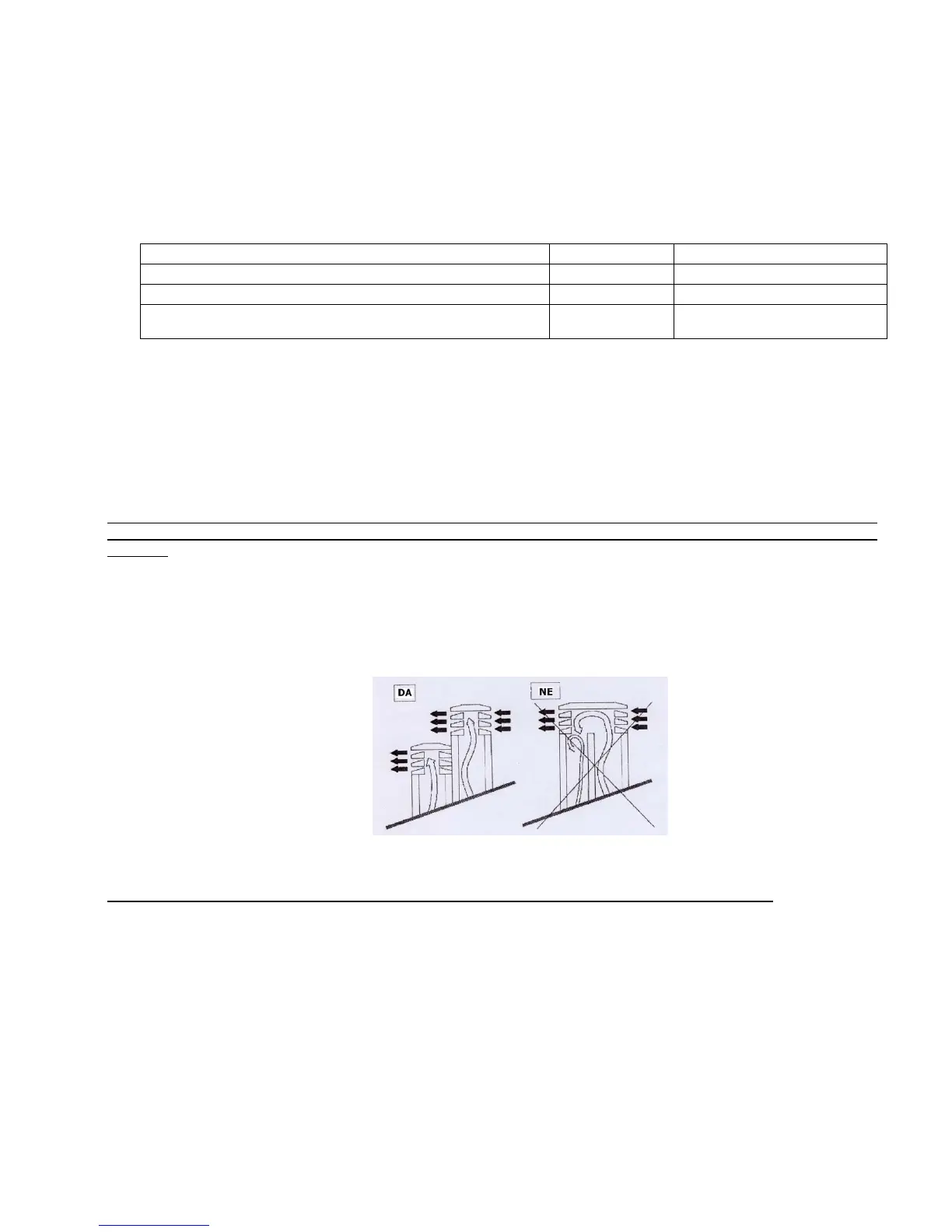
Figure 3 on the left shows how the end (top) of the chimney should look like when there are two chimneys one next to
the other, and Figure 3 shows how the end should not be executed.
Figure 3
3.3 THE INSULATION and DIAMETER OF THE OPENINGS (Holes) ON THE ROOF (or on the Wall)
Once the position of the stove is determined, it is necessary to make a hole i.e. an opening the flue pipe should
pass through. This varies depending on the type of installation, diameter of the flue pipe (see Table 1) and the
type of the wall or roof the flue pipe should pass through. See Table 2. The insulation must be made of mineral
wool with nominal density higher than 80 kg/m
2
.


 To Next Page