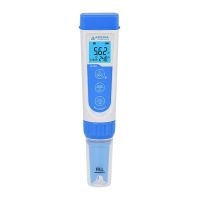
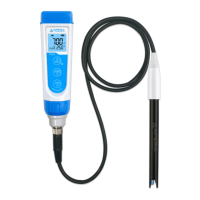
• General water solutions’ pH measurement such as hydroponics,
greenhouse, aquaculture, aquarium, pools and spas, water
treatment, beverage making, drinking water, education,
environmental monitoring, etc.
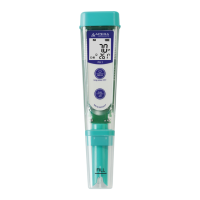
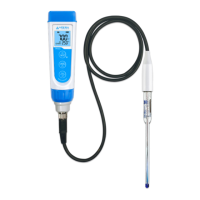
• Cheese, sushi rice, meat, fruit, dough, soil, solid culture medium
and semi-solid medium measurement;
• Also works well for general water solutions.
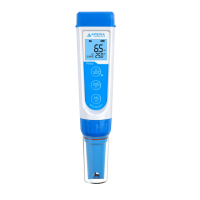
• Flat surface measurement such as skin, paper, fabric, leather and
so on;
• Small sample test (place sample fluid in the probe cap);
• Also works well for general water solutions.
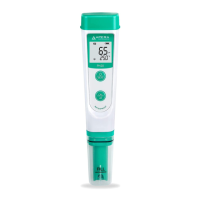
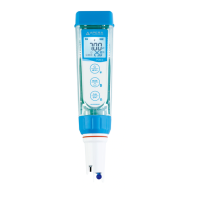
6.3 PH60S Spear probe testers are widely used for solids containing water or semi-solid
medium. When conducting such tests, pay attention to insert probe evenly, and be
careful to prevent probe from damage. If the medium is too hard (such as meat or
fruits), please bore a small hole with a knife before inserting the probe.
* For pH measurement of any food (such as sushi, cheese, etc.), it should always be a sampling
test, which means test samples should no longer be edible.
6.4 How to direct-test soil pH with PH60S
1) If the soil is dry, add a small amount of distilled water to moisten the soil (do NOT add tap
water since it will affect the pH value significantly). Ideally, wait 24 hours before you take a
measurement.
2) Rinse the probe with distilled water before inserting it into the soil.
3) If measuring outside of solution, rockwool or small pots, remove the top 5cm/2inch soil from
the surface of the sample area.
4) Insert the probe approximately 4 inches (10 cm) into the soil samples from various locations
(3 to 4), wait for the stable readings before recording (smiley face icon stays on the screen).
5) Record the measurements, then take the average of the data as the representative pH level
of the sample area.
6) Do NOT use extra force to insert the probe. If you feel like the probe can’t be inserted any
deeper, stop inserting. The spear tip could break.
7) Rinse off the soil residue between tests using distilled water for the best results.






 To Next Page