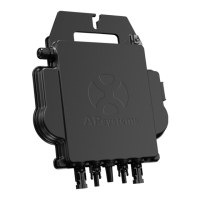
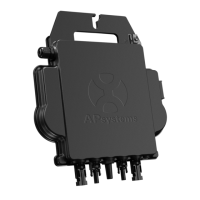
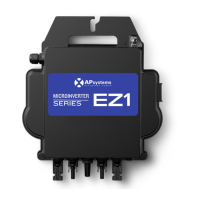
The APsystems Microinverter DS3 series is a sophisticated photovoltaic grid-connected microinverter system designed for utility-interactive applications. It comprises three key elements: the APsystems Microinverter, the APsystems Energy Communication Unit (ECU), and the APsystems Energy Monitor and Analysis (EMA) web-based monitoring and analysis system. This integrated system aims to enhance safety, maximize solar energy harvest, increase system reliability, and simplify the overall design, installation, maintenance, and management of solar systems.
Function Description
The APsystems Microinverter DS3 series represents the 3rd generation of dual microinverters, offering unprecedented power outputs ranging from 600VA to 960VA, designed to accommodate today's larger power modules. Each microinverter connects to two PV modules and features two independent Maximum Peak Power Tracking (MPPT) channels, ensuring optimal energy harvest from each module regardless of the performance of other modules in the array. This is particularly beneficial in situations where PV modules are affected by shade, dust, different orientations, or other factors that might cause individual modules to underperform.
A key safety feature of the APsystems Microinverter system is its parallel connection of PV modules. Unlike traditional string inverter installations where modules are connected in series, leading to high DC voltages (600Vdc to 1000Vdc) and associated risks of electrical shocks or arcs, the APsystems microinverter limits the voltage at the back of each PV module to its Voc (typically below 60Vdc). This low voltage is considered "safe to touch," mitigating the risk of electrical hazards and fire.
The microinverters are designed for robust interaction with power grids through a feature called Reactive Power Control (RPC), which helps manage photovoltaic power spikes in the grid. They boast a high performance and efficiency of 97.3%, achieved through a unique integration with 20% fewer components compared to previous generations. The system utilizes encrypted ZigBee signals for communication between the microinverters and the ECU.
The Energy Communication Unit (ECU) acts as the gateway for data collection from the microinverters. It is easily installed by plugging into a wall outlet and connecting to a broadband router or modem via Ethernet or Wi-Fi. Once set up, the ECU automatically reports performance data from the entire network of APsystems Microinverters to the EMA web server.
The Energy Monitor and Analysis (EMA) web-based monitoring and analysis system provides a comprehensive platform for tracking system performance. It allows installers and end-users to remotely monitor and analyze data, facilitating remote diagnosis and maintenance.
Usage Features
The APsystems Microinverter DS3 series is designed for simple installation. Each microinverter mounts directly onto the PV racking, beneath the PV module(s). Low voltage DC wires connect directly from the PV module to the microinverter, eliminating the need for high DC voltage wiring.
Installation procedures involve several steps:
- Grid Voltage Verification: Ensuring that the grid voltage matches the microinverter's rating.
- AC Bus Cable Distribution: Laying out the Y3 AC Bus cable, which includes embedded PE wire for grounding. The conductors of the AC bus are wired according to local regulations (typically L-BROWN, N-BLUE, PE-YELLOW GREEN).
- Microinverter Attachment: Mounting the microinverters to the racking using appropriate hardware, ensuring proper spacing for airflow and grounding as per local electrical codes. Microinverters should be installed under PV modules to protect them from direct exposure to rain, UV, or other harsh weather.
- AC Bus Cable Connection: Inserting the microinverter AC connector into the trunk cable connector until a "click" is heard, indicating a secure connection. An AC Bus Cable Unlock Tool is recommended for disconnecting connectors. Unused connectors must be covered with a Bus Cable Y-CONN Cap.
- Bus Cable End Cap Installation: Stripping the cable jacket, inserting the cable end into the seal, and rotating the nut until the latching mechanism meets the base.
- PV Module Connection: Connecting the APsystems Microinverters to the PV Modules. Upon plugging in the DC cables, the microinverter should blink green ten times within 10 seconds, indicating correct functioning. It is crucial to ensure that each PV panel is connected to the same channel and that positive and negative DC cables are not split into two different input channels, as this can damage the microinverter and void the warranty.
- Grid Connection: Connecting the APsystems Microinverters to the grid. Bi-polar circuit breakers with proper rated current are mandatory for grid connection, while leakage current breakers or AFCI/GFCI breakers are not recommended.
- AC Extension Cable (Optional): If needed, AC extension cables can be connected to the AC bus cable in a junction box or by using male/female AC connectors provided by APsystems.
- Installation Map Completion: Each microinverter has two removable serial number labels. One label is affixed to the installation map to record the physical location of each microinverter. The second label can be stuck on the solar module frame for future reference. The ECU_APP can be used to scan serial numbers on the map for ECU setup.
- Warning Notice Placement: Warning notices must be placed at all points of isolation for the PV generator, on the switchboard, and on the PV generator itself, to alert anyone with access to live parts about the need to switch off power.
To operate the system, the AC circuit breaker on each microinverter AC branch circuit must be turned ON, followed by the main utility-grid AC circuit breaker. The system will begin producing power after approximately one minute. Microinverter data will then be available via the EMA Manager APP or the EMA web portal. LED sequences on the microinverters provide immediate status indications.
Maintenance Features
The APsystems Microinverter DS3 series microinverters do not require any specific regular maintenance. However, in case of troubleshooting or replacement, specific procedures must be followed:
Troubleshooting:
Qualified personnel can use several tools and indicators for troubleshooting:
- Status Indications and Error Reporting: Operation LEDs provide a quick visual status of the microinverters.
- Ten short green blinks upon DC power application indicate a successful startup.
- Flashing Slow Green (5 sec. gap): Producing power and communicating with ECU.
- Flashing Slow Red (5 sec. gap): Not producing power.
- Flashing Fast Green (2 sec. gap): Not communicating with ECU for over 60 minutes, but still producing power.
- Flashing Fast Red (2 sec. gap): Not communicating with ECU for over 60 minutes and not producing power.
- Steady Red: Indicates a DC side ground fault protection (GFDI error).
- ECU_APP: The APsystems ECU_APP (available in the EMA Manager APP) is the recommended on-site troubleshooting tool. By connecting to the ECU hotspot, installers can check microinverter status (production, communication), ZigBee signal strength, grid profile, and other data.
- Installer EMA (web portal or EMA Manager APP): Installers can remotely access all system information via their installer account on the web or through the EMA Manager APP. This provides initial indications of potential issues by reviewing module data (DC, AC, voltages, and currents).
- Troubleshooting Guide: A detailed troubleshooting guide is available online for professional installers to address and fix PV installations.
Microinverter Replacement:
If a microinverter needs to be replaced, the following steps must be strictly adhered to:
- Disconnect AC Power: Turn off the branch circuit breaker.
- Disconnect Inverter AC Connector: Disconnect the inverter AC connector from the AC Bus.
- Disconnect PV Module DC Wires: Disconnect the PV module DC wire connectors from the microinverter. Crucially, never disconnect DC wire connectors under load, and always disconnect AC power before disconnecting DC wires.
- Remove Microinverter: Remove the faulty microinverter from the PV array racking.
- Install Replacement: Install the new microinverter to the rack. When plugging in the DC cables, observe for the quick red light followed by ten short green LED flashes, indicating proper connection.
- Connect AC Cable: Connect the AC cable of the replacement microinverter to the AC bus.
- Restore Power: Close the branch circuit breaker and verify the proper operation of the replacement microinverter.
- Update EMA Manager: Update the microinverter information in the EMA Manager using the "Replace" function and update the system's map with the new serial number labels.
Important Safety Considerations:
- Only qualified professionals should install and/or replace APsystems Microinverters.
- All electrical installations must comply with local electrical codes.
- The microinverter body can reach temperatures of up to 80°C (176°F), so avoid touching it to prevent burns.
- Do not attempt to repair the microinverter; doing so will void the warranty. Contact APsystems Technical Support for faulty units.
- When connecting a microinverter, it is recommended to first connect the AC Bus cable to the ground, then the AC connector, and finally the DC connections to ensure proper earthing. When disconnecting, reverse the order: disconnect AC by opening the branch circuit breaker (while maintaining the protective earthing conductor connected), then disconnect DC inputs.
- Install AC breakers on the AC side of the inverter.
- Surge protection devices in the dedicated AC box are strongly recommended, even if not required by local electrical code.

 Need help?
 General

 To Next Page