www.aquorwatersystems.com
1-800-458-1749
Aquor
®
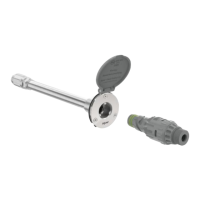
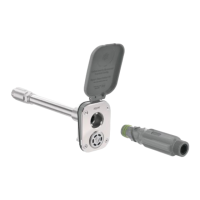
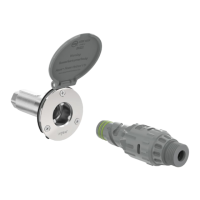
Wall Hydrant V1+
ASSE 1019C / ASME A112.18.1 / CSA B125.1 APPROVED
19
Troubleshooting
PROBLEM
No water flow when connected.
Water leaking from plumbing connection.
Water leaking from hydrant body-to-inlet connection.
TROUBLESHOOTING
SOLUTION
First you’ll want to identify whether the issue is in the
hydrant of the hose connector.
Make sure water supply is live to the hydrant. Try
depressing the hydrant valve with your thumb to test for
pressure. If the water pressure is live, the issue is likely
the hose connector.
Inspect the hose connector to see if the internal check-
valve is stuck. In variable weather conditions, if left
pressurized outside, water expansion may cause the
check valve to seize.
If the hose connector has a ball-valve, make sure it is on.
For threaded fittings, re-wrap with 4-5 wraps of teflon
tape, followed by a layer of pipe-joint compound. Firmly
tighten with wrenches.
For PEX-specific fittings, ensure a compatible PEX tubing
type and installation tool are being used. Check fitting
dimensions for spec.
Inspect the O-ring between the rear valve housing (inlet)
and hydrant body. The inlet can be backed o up to
on full rotation without losing a watertight seal. Ensure
no teflon tape or sealant is applied. Inlet should thread
smoothly.


 To Next Page