29
APPENDIX 1
ATEX Dust Certification
A1.0 ATEX dust certification
In addition to ATEX certification permitting
installation in explosive gas atmospheres which is
described in the main section of this instruction
manual, all the models also have ATEX dust
certification.
A1.1 Zones, and Maximum Surface
Temperature
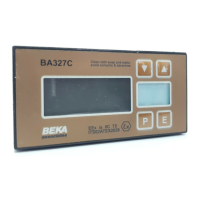
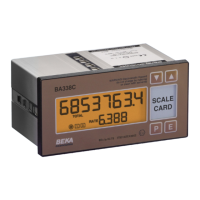
Both indicators have been certified
Ex ia IIIC T80°C Da IP66. When connected to a
suitable system they may be installed in:
Zone 20 explosive atmosphere in the form
of a cloud of combustible dust in
air is continuously present, or for
long periods or frequently.
Zone 21 explosive atmosphere in the form
of a cloud of combustible dust in
air is likely to occur occasionally in
normal operation.
Zone 22 explosive atmosphere in the form
of a cloud of combustible dust in
air is not likely to occur in normal
operation, but if it does occur, will
only persist for a short period.
Be used with dust in subdivisions:
IIIA combustible flyings
IIIB non-conductive dust
IIIC conductive dust
Having a Minimum Ignition Temperature of:
Dust cloud 120°C
Dust layer on indicator 155°C
up to 5mm thick
Dust layer on indicator Refer to
over 5mm thick. EN 60079-14
At an ambient temperature between -40 and
+70°C
A1.2 Installation and maintenance
The installation requirement described in this
manual for potentially gas explosive atmospheres
also apply when the indicators are installed in a
dust explosive atmosphere.
The instrument assembly should only be removed
from the enclosure back-box when dust can not
enter the instrument enclosure. Before replacing
the instrument assembly the sealing gasket should
be inspected to ensure that it is undamaged and
free from foreign bodies.
It is good practice to prevent dust accumulating on
the indicator enclosure. If this can not be avoided,
care should be taken to ensure that the layer
thickness does not exceed 5mm for dusts having a
minimum ignition temperature of 155°C.


 To Next Page