201-00-2 Suspension System - General
Specification
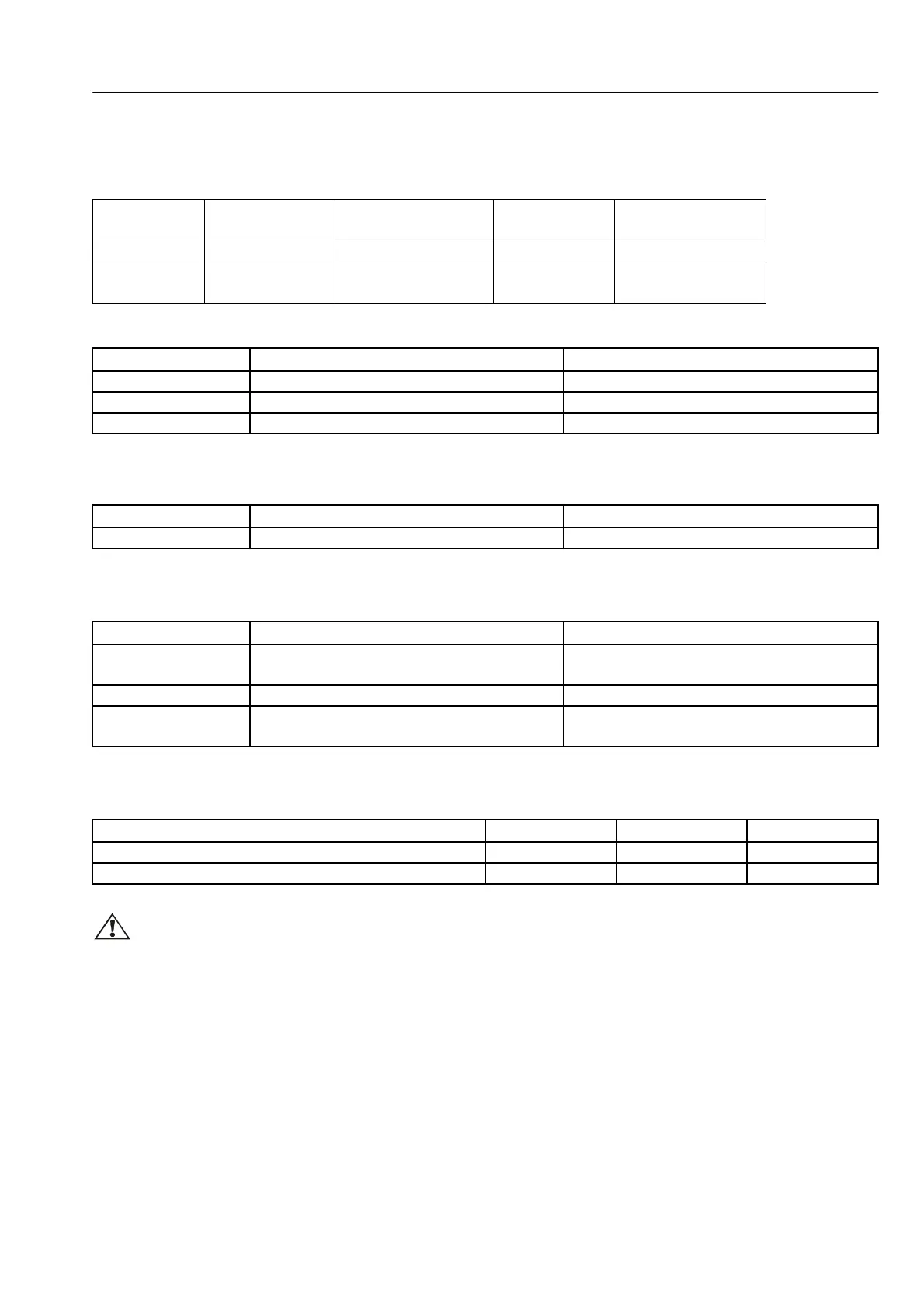
Front Wheel Alignment (Kerb Mass) - Kingpin Caster Angle and Camber Angle
Model
Kingpin Caster
Angle
Kingpin Caster
Angle
Camber Angle
Camber Angle
Vehicle Model Standard Value Tolerance Scope Standard Value Tolerance Scope
2.8° or 2°48’ 2.3° to 3.3° or 2°06’
to 4°06’
0.5° or 0°30’ 0° to 1°
Front Wheel Alignment (Kerb Mass) - Total Toe-in
Vehicle Model
Tolerance Scope
Adjust If Necessary
0° to 0.34° 0.17°±0.17°
0°00’ to 0°20’ 0°10’ ±0°10’
0 mm to 6.2mm 3.1mm±3.1 mm
Rear Wheel Alignment (Kerb Mass) - Camber Angle
Vehicle Model
Standard Value
Tolerance Scope
4 doors 0° -0°33' to 0.33° or -0.20° to 20°
Maximum variation value – Right and left - Camber angle 1°15' (1.25°)
Rear Wheel Alignment (Kerb Mass) - Total Toe-in
Vehicle Model
Standard Value
Tolerance Scope
4 doors 0.33° -0°33' (positive toe-in) to 0°33' (negative
toe-in)
4 doors 0° -0.20° to 0.20°
4 doors 0mm -6.2mm (positive toe-in) to 6.2 mm
(negative toe-in)
Torque Specification
Specification
Nm
lb-ft
lb-in
Locking nuts of the tie rod 43 -
Wheel nuts 65 -
DIAGNOSIS AND TESTING
Suspension System
Warning: Before and after the inspection, make sure the tyre air pressure is accurate.
Excessive wear of the tyre, sunken tyre or unbalanced tyre can result in automobile vibration, shaking or steady
running.
Uneven or fluctuant road can also result in the above-mentioned circumstances. If such circumstances occur when
the automobile is on this type of road, please try different types of road to confirm the cause.
When finding the cause of automobile vibration, do not immediately doubt the tyre, for the following
circumstances can also lead to automobile vibration:
Benni Mini



 To Next Page