LOW CHLORINE LEVEL IN POOL (Continued)
Common Causes of High Chlorine Demand & Depleted Chlorine Levels
Examine the Water Chemistry (Also see Page 2):
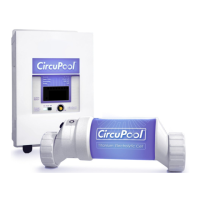
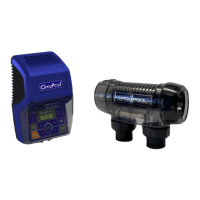
• Water chemistry and environmental conditions are the #1 cause of a low chlorine level in a saltwater pool, as they cause chlorine
demand to rise above normal levels. High chlorine demand means that chlorine is being consumed quicker than it is being
replenished, resulting in the inability to measure the chlorine residual in the water. If operation has been verified (as described
on the previous page), a depleted chlorine level does not mean that the chlorine generator is not working, only that the chlorine
demand currently exceeds the rate of chlorine production.
• The ideal levels for a pool are:
Free Available Chlorine 1.0 - 3.0 ppm
Salinity 3000 - 4500 ppm
pH 7.2 - 7.8 (7.5 best)
Stabilizer (Cyanuric Acid) 30 - 50 ppm
Total Alkalinity 80 - 120 ppm
Calcium Hardness 200 - 400 ppm
Saturation Index -0.2 to +0.2 (0 best)
Phosphates 0 to 100 ppb (0 best)
Nitrates 0 to 10 ppm (0 best)
Iron 0
Copper 0
Other metals 0
Ammonia 0
The levels that are highlighted levels are the most common causes of high chlorine demand and depleted chlorine levels in
pools. Ensure that all three levels are being tested for and that their values are included on your chemistry report.
LOW or HIGH Chlorine Stabilizer (Cyanuric Acid, or CYA). The level must be within range, especially during the spring and
summer months. If there is not enough CYA in the pool, then your chlorine will not be protected from the sun and the
chlorine being produced by the salt system will be consumed once the sun hits the pool water. Up to 90% of the pool's
chlorine can be depleted within 2 hours without a sufficient level of chlorine stabilizer. Too much CYA makes CL ineffective.
Phosphates and Nitrates that are present in the pool will cause the chlorine demand to rise and/or will consume the chlorine
being made by the salt system (Also see page 4). Phosphates are very common. Any Phosphate level near or above 100 parts
per billion can greatly increase the chlorine demand in the pool. Any Phosphate level over 200 Part Per Billion will not only
consume your chlorine, it will also readily feed algae. To remove phosphates, use commercial grade Phosfree. When trying
to lower significant phosphate levels, phosphate products meant for weekly maintenance are usually not effective Nitrates
will also rapidly consume your chlorine. If the Nitrate level is high, it is often most effective to drain the pool and refill with
new water, being sure to add the necessary amount of salt back to the pool.
Lower salt levels can affect chlorine generation and cause the system to work inefficiently.
Other chemistry imbalances and the presence of metals, ammonia, and other impurities can cause high chlorine demand.



 To Next Page