1
OVERVIEW
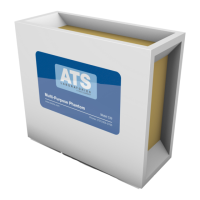
The Model ATS539 Multipurpose
phantom is an easy, comprehensive
means of evaluating imaging systems
over most clinical imaging frequen-
cies (approximately 2-20 MHz).
The phantom is designed with a
combination of monolament line tar-
gets for distance measurements and
tissue mimicking target structures of
varying sizes and contrasts. Cystic-
like target structures are positioned
in-line vertically, thereby permitting an
entire target group to be displayed in
one view. Due to the acoustic similar-
ity of the background material and
the target structures, artifacts caused
by distortion, shadowing or enhance-
ment have been eliminated. Six gray
scale targets ranging in contrast from
+15 to -15 dB are provided to evalu-
ate the system's displayed dynamic
range and gray scale processing
performance. All ATS urethane phan-
toms are guaranteed for the useful
life of the phantom, dened as 10
years.
CIRS is certied to ISO 13485:2016 standards. We have an in-house test facility to
measure acoustic properties of materials. In addition, ultrasound imaging systems
are used to inspect each phantom. Every ultrasound phantom that CIRS distributes
has passed thorough testing during manufacture and completion to ensure the
highest quality product available. A Certicate of Compliance is issued with each
phantom.
Additional guidance on establishing a quality assurance program can be found in
the accreditation programs established by the ACR and AIUM at www.acr.org or
www.aium.org.
Key Tests with Model
ATS539
• Uniformity
• Depth of Penetration
• Beam Prole/ Focal Zone/
Lateral Response Width
• Vertical Distance Measure-
ment
• Horizontal Distance Measure-
ment
• Axial and Lateral Resolution
• Elevational Resolution
• Contrast Resolution
• Grayscale Contrast Sensitivity
• Dead Zone Assessment
For more information on these tests, see
"Testing Procedures" starting on page 5


 To Next Page