2. INTERFACES
72-
DPT100-B/I/BT
• IrCOMM
• IrMC
• IrDA Lite
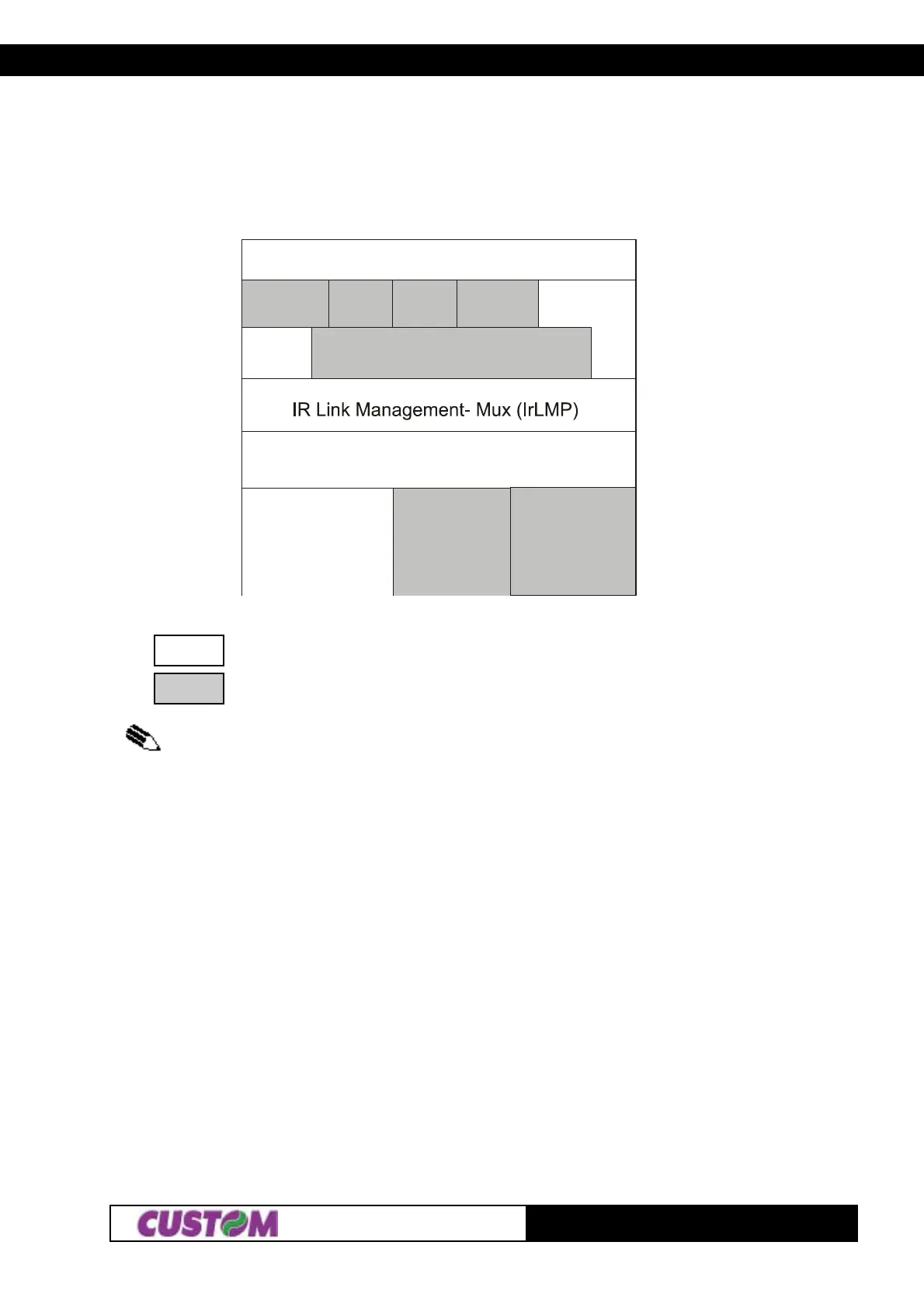
Figure 2-6 shows the IrDA data protocol stack and which components are implemented by the printer.
Printer Application
Asynchronous
Serial IR
(9600-38400b/s)
(2)
IrTran-P
IrObex
IrLan
IrComm
(1)
IrMC
LM-IAS
Tiny Transport protocol (Tiny TP)
IR Link Access Protocol (IrLAP)
IrPHY
}
Synchronous
Serial IR
(1.152Mb/s)
Synchronous
4 PPM
(4 Mb/s)
Supported by the printer
Optional IrDA data protocols not supported by the printer
Note 1: the printer implements the 3-wire Raw service class.
2.3.1 IrDA DATA PROTOCOLS SUPPORTED
The printer supports these required IrDA standard protocols:
• Physical Signaling Layer(PHY)
• Link Access Protocol(IrLAP)
• Link Management Protocol/information Access Service(IrLMP/IAS)
The printer also supports some of the optional protocols for IrDA data. The optional protocols that the printer
implements are:
• IrCOMM
2.3.1.1 Physical Signal Layer(PHY)
The printer provides the following Physical Signal Layer specification support:
• Bi-directional communication
• Data Packets are protected by a CRC-16-bit CRC for speeds up to 38400 kbaud
• Data communication Rate-9600 baud minimum data rate (with primary speed/cost steps of 38400
baud)
• Communication Range
• Continuous operation from contact to at least 1 meter (typically 2 meters can be reached), all the same
it’s possible in a low power devices reduce the distance at least 20 cm.
(Fig.2.6)


 To Next Page