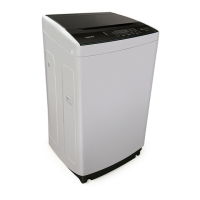
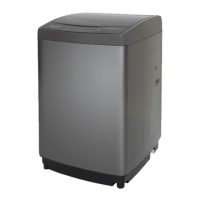
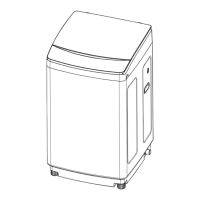
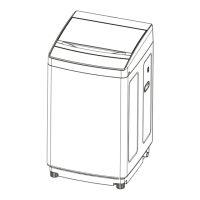
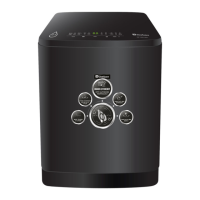
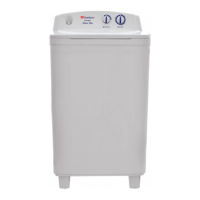
This document is a user manual for the Dawlance Fully Automatic Washing Machine, model DWT 260 C LVS+. It provides comprehensive instructions for installation, operation, maintenance, and troubleshooting, ensuring safe and efficient use of the appliance.
Function Description
The Dawlance DWT 260 C LVS+ is a fully automatic top-loading washing machine designed to simplify laundry tasks. It offers multiple wash programs and functions to cater to various fabric types and soil levels. The machine automatically handles the entire washing process, from water intake and washing to rinsing and spinning, with minimal user intervention once a program is selected.
Key functions include:
- Washing: The machine performs thorough washing cycles using a pulsator to agitate clothes and detergent.
- Rinsing: Multiple rinse cycles ensure that all detergent residue is removed from the laundries.
- Spinning: A powerful spin cycle extracts excess water from clothes, reducing drying time.
- Preset Function: Users can set a delayed start time for the washing cycle, allowing for convenient scheduling.
- Child Lock Function: This safety feature prevents accidental changes to settings or operation by children.
- Water Recycle Function: This feature allows users to reuse water from the last rinse cycle, promoting water conservation.
- Imbalance Adjustment: The machine is equipped with a system to detect and adjust for unevenly distributed laundry during spinning, reducing vibration and ensuring stable operation.
- Fuzzy Logic: For certain programs, the machine can automatically sense the weight of the laundries and set the appropriate water level and wash time.
- Air Dry Function: This feature helps to further dry clothes using air circulation, particularly useful for reducing moisture in the tub.
Usage Features
The washing machine is designed for user-friendly operation with a clear control panel and intuitive steps.
Before Operation:
- Installation: Proper installation is crucial for safety and performance. This includes unpacking, installing the bottom cover, and positioning the machine on a horizontal surface, adjusting the feet if necessary.
- Water Inlet: The inlet hose must be securely connected to both the machine and the tap, ensuring no leaks.
- Drainpipe: The drainpipe should be correctly positioned to allow for efficient water drainage.
- Power Connection: The machine requires a 220V A/C power supply and must be reliably earthed. The power plug should be inserted firmly into a clean socket.
- Laundry Preparation: Before loading, users should empty pockets, knot long bands, fasten buttons and zippers, and sort laundry by fabric type, color-fastness, and dirtiness. Special attention should be given to delicate items, which may require a washing bag. Waterproof items like raincoats should not be washed due to potential abnormal vibrations during spinning.
- Detergent Use: Detergent should be added to the dispenser box. Low foam washing powder is recommended. For concentrated synthetic washing powder, refer to its manual for dosage. Bleach should be diluted and poured slowly into the tub, avoiding direct contact with laundries, especially colored or figured items.
Operation Steps:
- Power On: Press the "POWER" button to turn on the machine.
- Program Selection: Choose a suitable wash program (e.g., NORMAL, HEAVY, SOFT, ENERGY SAVER, FAST, WOOL, CHILD, FOAM CLEAN, TUB CLEAN, AIR DRY).
- Water Level Selection: Select the appropriate water level based on the laundry quantity. The machine may also use fuzzy logic to automatically determine the water level for certain programs.
- Additional Functions: Users can select optional functions such as "PRESET" for delayed start, "LOW NOISE" for quieter operation, "WATER RECYCLE" for water conservation, or "CHILD LOCK" for safety.
- Start/Pause: Press the "START/PAUSE" button to begin the washing cycle. This button can also be used to pause and resume operation.
- Monitoring: The digital timer on the control panel displays the remaining time or preset time.
- Lid Operation: The top lid should be closed during operation. Opening it during a cycle will pause the machine and trigger an alarm, especially if the child lock is active.
- Completion: Upon completion of the cycle, a buzzer alarm will sound, and the power supply will cut off automatically.
Safety Cautions:
- Never put hands into the working machine.
- Keep children away from the machine and supervise them to prevent climbing or playing with it.
- Do not overload the appliance or place hot items on it.
- Avoid washing garments that have been in contact with volatile petroleum products.
- Do not install the machine in bathrooms or damp places, and avoid washing it with water or placing wet clothes on the control panel.
- Do not use water hotter than 50°C.
- Ensure the power cable and plug are undamaged and the socket is not loose.
- Do not share the same socket with other electric appliances.
- Keep the appliance away from direct sunlight and heat sources.
- Do not place coins, safety pins, nails, screws, stones, or any other hard, sharp materials into the machine, as they can cause damage.
Maintenance Features
Regular maintenance ensures the longevity and efficient performance of the washing machine.
After Each Use:
- Unplug and Turn Off Water: After finishing, unplug the appliance and turn off the water taps to prevent leaks or fire.
- Drain Water: Do not leave water in the tub for extended periods; drain it immediately after washing.
- Clean Surface: Wipe the exterior cabinet and tub with a soft cloth. Avoid using cleansers or volatile chemical materials that could damage plastic parts.
- Air Dry: Keep the top lid open for a while to allow the tub to air dry, preventing mold and stagnant smells.
- Organize Cables: Put the electric cable and drain hose in order.
Regular Maintenance:
- Magic Filter Cleaning: The magic filter should be regularly pulled out, opened, cleaned, and reinstalled to maintain effective lint removal.
- Inlet Gate Cleaning: The inlet filter net can become blocked by dust. To clean it, close the tap, turn on the power switch, run the machine for 5 seconds to allow water into the tub, then cut off power. Pull off the inlet hose, remove and clean the inlet valve and net, and reinstall.
- Freezing Prevention (in winter): If there's a risk of water freezing in the inner tub, remove the water inlet hose and drain all water from the hose and tub. If water has already frozen, do not operate the machine. Instead, pour 40°C hot water into the tub to submerge the pulsator. After a few minutes, gently rotate the pulsator by hand, then the machine can be operated.
Troubleshooting:
The manual provides a troubleshooting guide for common issues, such as:
- Control panel not displaying: Check plug, power supply, and power switch.
- Inlet hose leaks: Ensure connections are tight.
- Machine not draining/inletting water: Check drainpipe position, water supply, and inlet hose for blockages.
- Spin stops/intermittent spin: Adjust laundry distribution, ensure the machine is stable, and close the top lid.
- Alarm codes (E0, E1, E2, E3, E4, E5, F1): Each code corresponds to a specific issue (e.g., lid open, imbalance, water level problems) with recommended solutions.
In case of persistent faults, users are advised to unplug the machine and contact customer service rather than attempting self-repair, as it can be dangerous.

 Need help?
 General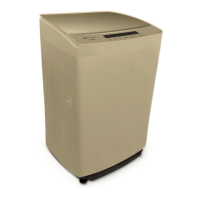

 To Next Page