EasyManua.ls Logo

Eaton Pow-R-Line CS - User Manual

Eaton Pow-R-Line CS
20 pages
Print Icon
To Next Page IconTo Next Page
Loading...
Instruction Manual IB015002EN
Effective November 2021
Contents
Description Page
Safety measures ..................................................................... 2
Pre-installation: receiving, handling, and storage ............................................ 3
Pre-installation preparation ............................................................. 5
Considerations for seismic qualified installations ............................................ 5
Electrical connection of switchboard sections .............................................. 7
Energizing switchboard ............................................................... 13
Maintenance ....................................................................... 13
Appendices ........................................................................ 17
Pow-R-Line CS switchboards
Question and Answer IconNeed help?

Do you have a question about the Eaton Pow-R-Line CS and is the answer not in the manual?

Summary

Safety Measures and Introduction

Introduction to Safety Guidelines

Provides context for the manual's purpose and scope regarding safety.

General Safety Precautions

Emphasizes overall safety precautions for handling electrical equipment and the switchboard.

Pre-installation: Receiving, Handling, and Storage

Receiving Procedures

Details procedures for checking incoming shipments for completeness and damage.

Safe Handling of Switchboards

Instructions for safely moving and lifting heavy switchboard sections.

Utilizing Lifting Means

Explains how to use provided lifting points for safe operation.

Pre-installation Preparation and Site Alignment

Roller Usage and Storage

Guidance on using rollers and best practices for storing switchboards.

Site Preparation and Foundation

Steps for preparing the site, foundation, and ensuring alignment for installation.

Final Installation Positioning

Procedures for moving the switchboard into its final position and alignment.

Attaching Switchboard Sections

Joining Sections with Hardware

Details on joining individual switchboard sections using provided hardware.

Electrical Connection of Switchboard Sections

Splice Plate Installation

Instructions for using splice plates to connect main busbars between switchboard sections.

Factory Cabling and Incoming Connections

IFS Factory Cabling

Information on factory-installed wiring for lighting and appliance circuits.

Incoming Power Connections

Procedures for making power connections to the switchboard.

Wire and Cable Connections

Lug and Connector Installation

Details on connecting wires and cables using lugs and connectors.

Pre-Energizing Inspection and Procedures

Rear-Connected Switchboard Requirements

Specific requirements for rear-connected switchboards, like cable bracing.

Overcurrent Device Checks

Procedures for checking overcurrent devices before energizing.

Circuit Breaker Types and Ground Fault Protection

Circuit Breaker Adjustments

Information on adjustable trip settings for thermal magnetic and electronic trip units.

Ground Fault Protection (GFP) Systems

Details on ground fault protection (GFP) systems and their testing.

Insulation Testing Preparation and Procedures

CT Handling and TVSS;SPD Disconnection

Handling current transformers and disconnecting TVSS/SPD for testing.

Insulation Testing and Post-Test Actions

Performing insulation tests and post-test reassembly and securing.

Energizing the Switchboard

Maintenance Schedule Importance

Emphasizes the importance of a systematic maintenance schedule for equipment longevity.

Switchboard Insulation Resistance Testing

Pre-Cleaning and Cleaning Procedures

Initial insulation testing before cleaning and guidelines for cleaning components.

Post-Cleaning Testing and Bus;Cable Checks

Post-cleaning insulation testing and inspection of bus/cable connections.

Insulation Inspection

Visual check of insulation for damage and replacement as needed.

Component Maintenance and Operational Checks

Overcurrent Devices and Fuses

Maintenance for circuit breakers, fusible devices, and fuse replacement procedures.

Other Devices, Wiring, and Ventilation

Maintenance for meters, controllers, surge devices, secondary wiring, and ventilation.

Handling Events and Damage

Procedures for handling short-circuits, overloads, and physical damage.

Maintenance Records

Importance of maintaining records for future reference and analysis.

Water Damage and Renewal Parts

Water Damage Hazards and Response

Hazards associated with water damage and required response actions.

Ordering Renewal Parts

Information on ordering replacement parts and using genuine Eaton parts.

Appendices

Appendix A: Torque Values

Table providing torque values for copper or aluminum busbar connections.

Appendix B: Maintenance Logs

Reference to switchboard maintenance, testing, and inspection logs.

Overview

This document is an instruction manual for Eaton's Pow-R-Line CS switchboards, providing comprehensive guidance on their installation, operation, and maintenance. The manual emphasizes safety throughout, detailing necessary precautions and procedures for handling, connecting, and energizing the equipment.

Function Description

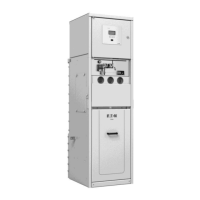
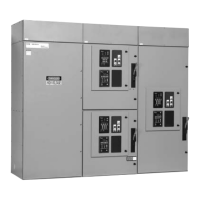
Pow-R-Line CS switchboards are low-voltage distribution switchboards designed to manage and distribute electrical power within a facility. They are custom-built products, and their configurations can vary. The switchboards are rated for 600 Volts and less and are designed for both indoor and, in some configurations, outdoor installations. They incorporate various electrical components such as circuit breakers, fusible switches, metering equipment, and busbar systems to facilitate power distribution and protection. Some switchboards may also integrate lighting and appliance branch circuit panelboards and dry-type distribution transformers. The design allows for multi-section lineups, which can be joined together to form larger distribution systems.

Usage Features

The switchboards are designed for use by "Qualified Persons" who possess the necessary skills and knowledge related to electrical equipment and have received safety training.

  • Receiving and Handling: Upon delivery, users are instructed to verify the shipment against the packing list and inspect for any damage. The switchboard sections are shipped on heavy wooden skids and are top-heavy, requiring careful handling with appropriate lifting equipment such as cranes or forklifts. Lifting means, including lifting eyes and spreader bars, are provided for safe relocation.
  • Storage: If not immediately installed, switchboards should be stored indoors in a dry, clean, and heated environment, protected from moisture, dust, and corrosive atmospheres. Temporary heating equipment may be required in areas prone to condensation.
  • Installation: The switchboards require a smooth, solid, and level foundation for permanent installation. Alignment of multi-section switchboards is critical and can be either front and rear aligned or rear-only aligned, as indicated in the manufacturer's drawings. Electrical connections between sections are made using bus splice plates, factory-installed cables, or busway connections. Hardware, including carriage bolts and hex nuts with Belleville-type washers, is provided for joining sections. Torque values for these connections are specified in Appendix A.
  • Incoming Connections: Power can be brought into the switchboard via cable or busway (busduct). Mechanical set screw or compression lugs are typically supplied for cable connections. Conductors are color-coded for phase identification, and proper stripping and termination procedures are detailed to ensure secure and safe connections.
  • Overcurrent Devices: The switchboards house various overcurrent devices, including circuit breakers (thermal magnetic and electronic trip units) and fusible switches. Some circuit breakers offer adjustable trip settings, which should be configured according to engineering study recommendations. Ground Fault Protection (GFP) systems may also be integrated, requiring specific testing and isolation procedures.
  • Energizing: Before energizing, a comprehensive inspection is required to ensure all connections are torqued correctly, packing materials are removed, and there is no debris or damage. All overcurrent devices and loads internal to the switchboard, as well as mains in downstream equipment, must be turned off before energizing. The energizing sequence should be followed carefully, starting with the main(s) and then individual overcurrent devices. Remote operators may be used if provided.

Maintenance Features

A systematic maintenance schedule is crucial for ensuring continued quality service and extending the lifespan of the switchboard.

  • Annual Maintenance Check: The switchboard should undergo a thorough maintenance check annually.
  • Insulation Resistance Testing: Before and after cleaning, an initial Megger or DC test of the switchboard's insulation should be performed between phases and ground. This helps identify potential overheating or weakened insulation. Control power fusing, Transient Voltage Surge Suppression (TVSS), Surge Protective Devices (SPD), and metering equipment must be disconnected or isolated before testing to prevent damage. AC dielectric testing is explicitly prohibited.
  • Cleaning: While de-energized, the switchboard should be cleaned to remove dust and debris from bus bars, connections, supports, and enclosure surfaces using a vacuum cleaner and a lint-free cloth. Compressed air should not be used for cleaning, as it can embed contaminants and damage insulation.
  • Bus and Cable Connections: Regular inspection of bus bars and cables for visible damage and signs of overheating is recommended. All bus bar and cable connections should be checked and torqued to specified values.
  • Insulation: All bus bar and structure insulation, including bus supports, shields, bracing, and barriers, should be visually checked for damage. Damaged parts must be replaced with new Eaton components to maintain CSA certification and safety.
  • Overcurrent Devices: Maintenance instructions and field-testing procedures for overcurrent devices are provided with each device's instruction leaflet. Circuit breakers should be inspected for discoloration, cracking, scorching, or broken parts, and their operating mechanisms should be exercised. Fusible devices should be inspected for similar signs of damage, and fuses must be of the proper class, ampere, voltage, and interrupting rating.
  • Fuse Replacement: Fuses should only be replaced when the switch mechanism is in the OFF position, and the switch contacts and blades should be inspected.
  • Meters, Controllers, Surge Equipment: Individual devices should be maintained according to their specific instructions.
  • Secondary Wiring: All secondary wiring connections, including those at current and potential transformers and terminal blocks, should be checked for tightness, proper connection to the ground bus, and signs of broken strands or damaged insulation.
  • Ventilation: All grills and ventilation ports should be checked for obstructions and cleaned if necessary. For outdoor switchboards, the air space underneath should also be kept clear of debris.
  • Records: A permanent record of all maintenance activities and testing results should be maintained for future reference and to anticipate replacement needs.
  • Post-Event Assessment: After electrical events such as short circuits, ground faults, or overloads, the cause must be identified and corrected before attempting to re-energize. A thorough assessment of conductor insulation and other insulating materials is required, and damaged components must be replaced with renewal parts from Eaton.
  • Water Damage: In cases of major water accumulation or submersion, the switchboard and its components may be rendered unsafe and require replacement. Minor moisture accumulations can be corrected by applying heat while the switchboard is de-energized, followed by inspection and re-testing.

Eaton Pow-R-Line CS Specifications

General IconGeneral
TypePow-R-Line CS
Frequency50/60 Hz
Enclosure TypeNEMA 1, NEMA 3R, NEMA 12
Voltage Rating600V AC
Current Rating400A
Interrupting Rating200 kAIC
Bus MaterialAluminum or Copper
StandardsUL
MountingFloor Mount

Related product manuals