@2022 EcoAir - V1.5
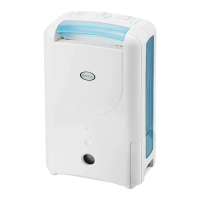
Thank you and congratulaons for choosing an EcoAir dehumidier to help you improve the air quality within your environment.
Inside you will nd many helpful ps on how to use and maintain your dehumidier eciently. Just a lile preventave care can
save you money and prolong the life of your dehumidier.
The purpose of the dehumidier is to remove the excess moisture in the air by detecng the humidity level in the room. By
keeping humidity within recommended levels, a dehumidier combats household damp, mould and mildew. Dehumidiers can
help to reduce the symptoms of asthma, allergies, and other respiratory health condions. They can also be used to help dry
laundry quicker and control moisture-based damage (such as the aermath of ooding, leaks or rising damp) to valuable
belongings and furniture.
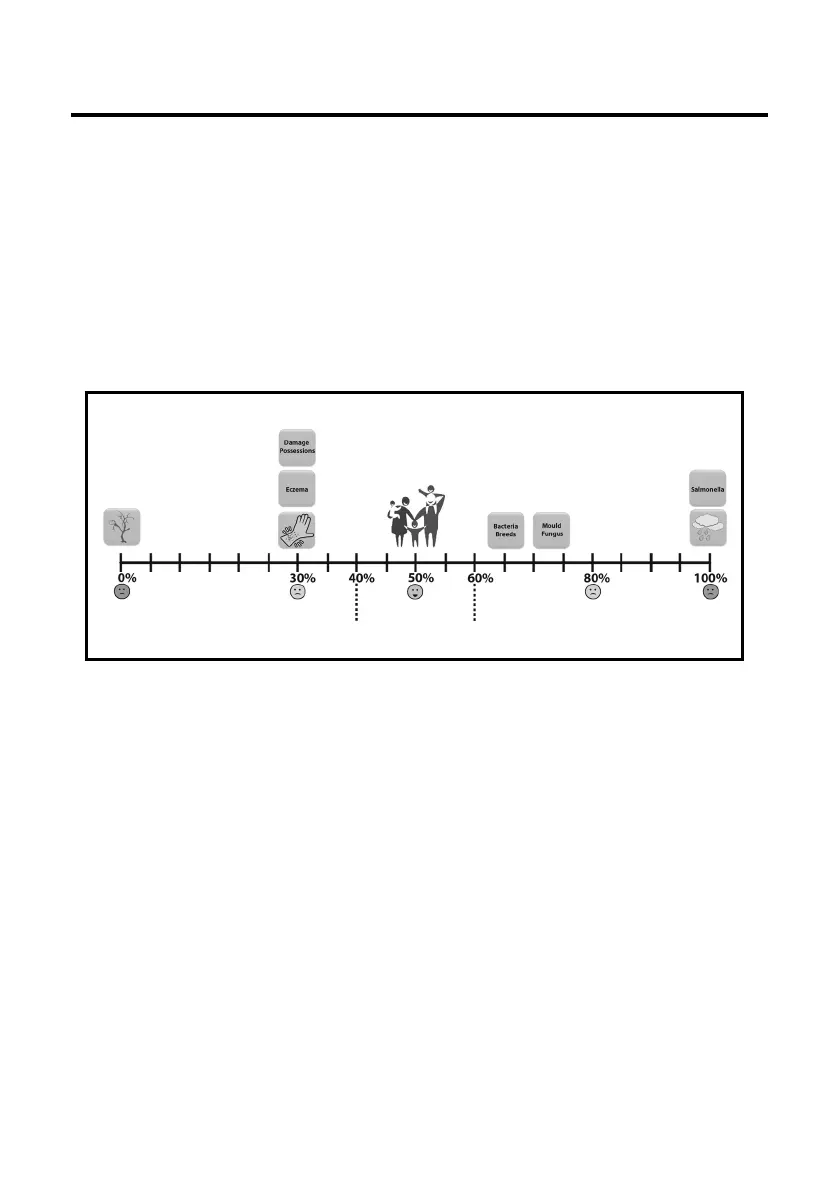
HUMIDITY GUIDE
There will always be water vapour in the air. The water vapour (or commonly known as moisture) in the air is measured in
Relave Humidity (RH) %. RH is the rao of the actual amount of water vapour in the air to the amount it could hold when
saturated expressed as a percentage. Too much or too lile moisture in our homes can be unhealthy and uncomfortable. The
opmum humidity level is between 40% and 60% (RH) where we feel most comfortable.
Low humidity
Low humidity indoors causes excess drying which can trigger skin irritaons such as eczema, chapped skin and dry nose. It can
also damage possessions, such as wooden furniture, musical instruments and artwork by drying it out too much.
High humidity
High humidity indoors causes damp and condensaon. The damp le by condensaon can damage plaster, wall paper, furniture,
vehicles, mber windows, doors and clothes. It can be harmful to our health when bacteria thrives, causing mould and fungus.
Maintaining safe levels of humidity
It is important to maintain a consistent humidity range to preserve furniture, painngs, door and
window frames. High humidity causes swelling, corrosion, soening of glues and paint. Low
humidity causes shrinking, cracking, warping of wood surfaces and gaps in joints, doors and windows.
Frequent changes in humidity levels can accelerate damages to property and belongings.
Condensaon
The warmer the air, the more moisture the air can hold than colder air. So, when the air inside the house becomes colder, the
moisture contents in the air becomes saturated, and gets heavier
resulng in moisture concentraon on the coldest parts of the house parcularly on the windows, bathroom mirrors and walls.
This is condensaon, caused by a sudden increase in humidity, cooking, showers, drying clothes, inadequate venlaon and poor
thermal insulaon.
Condensaon does not disappear instantly even with the dehumidier on. Where excessive condensaon appears for example,
on your windows, you may want to open your windows to expel the excess humidity for several minutes. It will take a while for
the condensaon to generally increase the humidity in the room. Once the humidity level in the room around the dehumidier
is increased above the level you have set on the dehumidier, it will then begin the dehumidicaon process.
WELCOME
TOO DRY
COMFORTABLE
TOO WET



 To Next Page