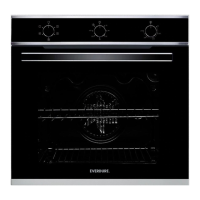
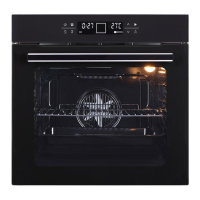
DESIGNED TO PERFECTION
CLEANING
NOTE: Cleaning and maintenance operations must only be carried out when the oven and hobs are
cool.
The appliance should be isolated from your mains supply before commencing any cleaning process.
Before starting to clean your oven or hobs, be sure that all control knobs are off and your appliance is cooled
off.
Do not use cleaning materials containing particles that might scratch the enamelled and painted parts of
your oven. Use cream cleaners or liquid cleaners, which do not contain particles. As these cleaners may
damage the surfaces, do not use caustic creams, abrasive cleaning powders, rough wire wool or hard tools.
Before using the cleaning materials check whether they are appropriate and recommended for use by the
manufacturer on your oven. In the event of any excess liquids spilling over your oven surface during
cleaning, clean up immediately so as to prevent possible damage to the enamel or metal surface. Do not
use steam cleaners for cleaning the oven.
CLEANING THE OVEN
You will obtain best results if you clean the oven interior while
the oven is slightly warm. Wipe the oven with a soft cloth that
had been dampened in soapy water after each use, then wipe
it with a wet cloth once more and then dry it. It may be
required to use a liquid cleaning material from time to time
and completely clean the oven. Do not clean with dry and
powder cleansers. Do not use harsh abrasive cleaning
products or metal spatulas to clean the oven door glass, as
scratches may cause the glass to shatter when heated.
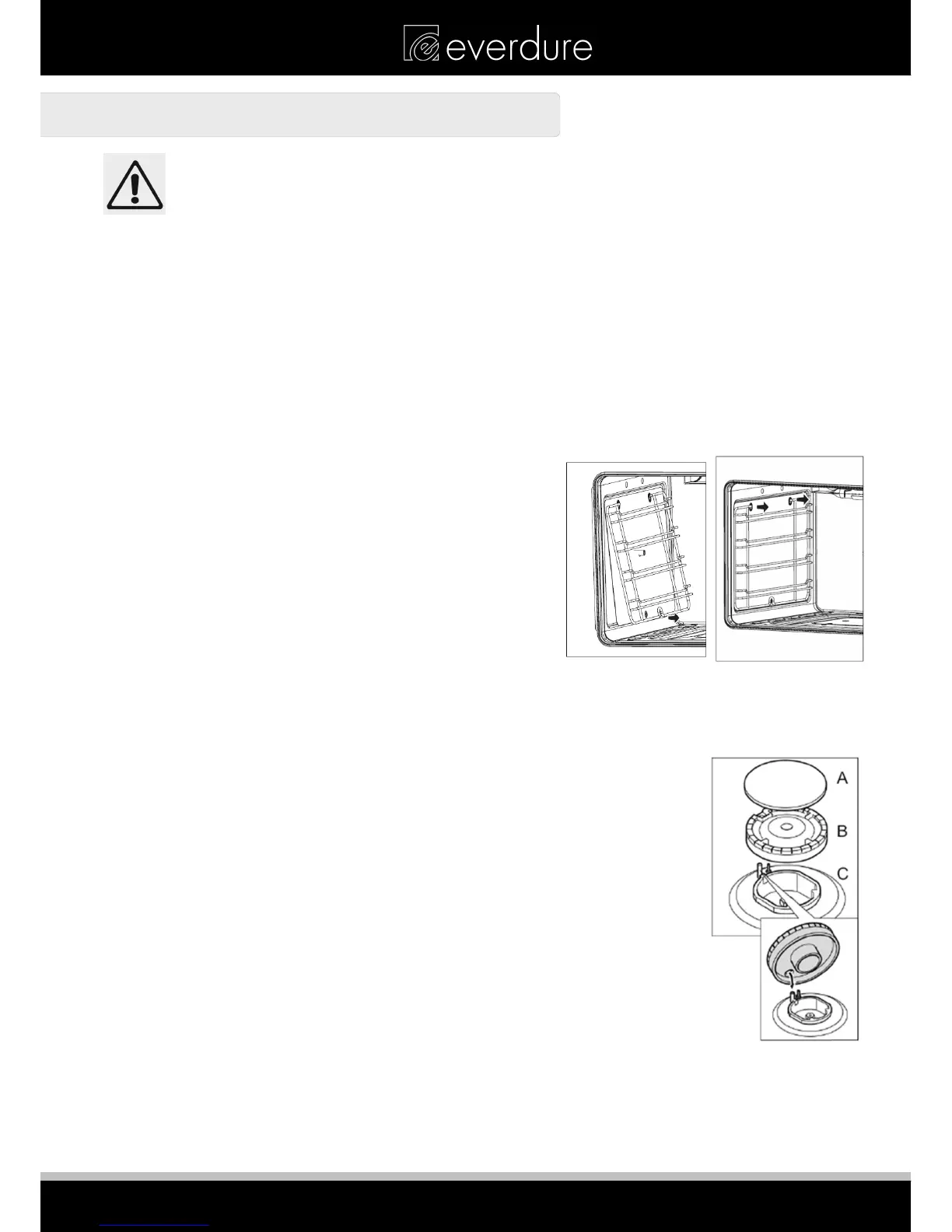
The side racks inside the oven can also be removed for easier
cleaning. Remove the bottom screw holding the bottom of the
side racks in place and pull the side rack out of the 2 holes at the top. After cleaning, replace the side racks
by allocating the top of the rack into the 2 holes and fixing it in place with the bottom screw.
CLEANING THE HOBS
Any residues that are left on the top surface from cleaning agents may damage it.
You should remove any residues with water and a little washing up.
Abrasive cleaners or sharp objects will damage the stainless steel surface. The hobs
should be cleaned using water and a little washing up liquid.
Although it is easier to clean some deposits whilst the top surface is still warm, you
should take extra care not to burn yourself. It is recommended to only clean the
hobs when cold.
When cleaning the burners, remove the burner and burner cap from the burner
base. After cleaning, take care to replace the correct parts to the burner base,
allocate the burner centrally within the burner base and make sure that the sensor
and ignitors are correctly placed in the spaces provided in the burners.
AFTER EACH USE
Wipe the appliance over with a damp cloth and a little washing up liquid.
Dry the appliance by rubbing the surface with a clean cloth.
For stainless steel cooktop surfaces, a mild, non-abrasive cream cleaner or a dedicated stainless steel cleaner
may be used.
17


 To Next Page