20 2551868AB
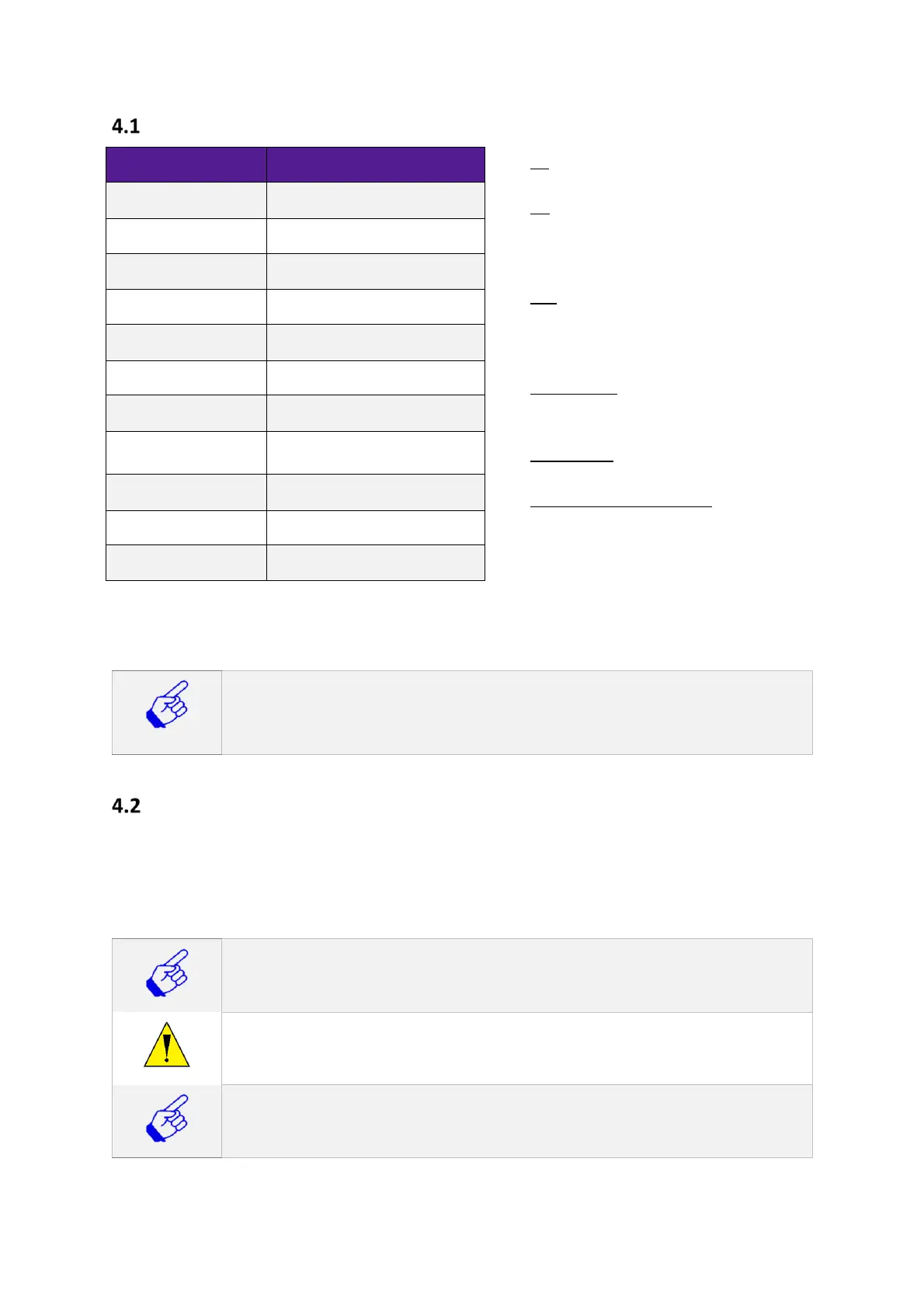
Water Quality Guidelines
TH - Total hardness is caused by calcium
and magnesium.
pH – this measures the alkalinity of the
water, neutral alkalinity is pH7. Heating
systems require an alkaline pH. Lower
pH will increase the corrosion risk.
TDS – dissolved solids in the system and
is a measure of the cleanliness of the
water (satisfactory level should be
within TDS of 10% of the mains water) .
Conductivity – this is the measure of the
ability of water to pass an electrical
current.
Free copper – the level of copper in the
system.
Total Iron and Manganese – this
measures iron concentration in mg/litre.
These are strong oxidants and may
increase the risk for corrosion.
Visual inspection should be carried out
ensuring that the water is clear, bright and free from particulate matter. The system must be fully
vented, pressurised and dosed with anti-corrosion and anti-bacterial growth inhibitor.
High DHW temperature may cause scaling.
High operating temperatures on the domestic hot water circuit may lead to scaled
DHW plate heat exchanger. It is recommended to set the DHW temperature to
maximum of 55°C especially in hard water areas.
Dosing Secondary System
Once the system is cleaned and flushed the inhibitors should be added to the secondary side to
prevent the corrosion or bacteria growth.
A suitable long term corrosion inhibitor and inhibitor for preventing the bacteria should be
introduced in a proportion of the system volume.
Excessive filling of the secondary circuit with untreated water may lead to scale
build up and corrosion. This may damage the ModuSat® unit or reduce the
performance.
Please confirm with the water treatment consultants that the chemicals used and
cleaning method statement complies with the requirements set out in this
section.
Evinox Energy do not take responsibility for approving inhibitors used for dosing
the system.
Up to 150 mg/l (as CaCO
3
)
Free carbon dioxide
(CO
2
)
Typical Water Quality Guidelines


 To Next Page