EasyManua.ls Logo

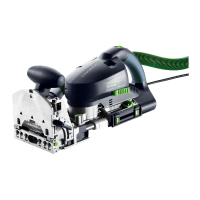
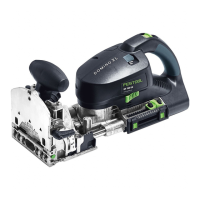
Festool Domino DF 500 - User Manual

Festool Domino DF 500
26 pages
Print Icon
To Next Page IconTo Next Page
Loading...
Domino
®
DF 500
Tenon Joiner
Tenon Joiner
Supplemental User’s Manual
WARNING To reduce the risk of serious injury, read and understand all safety
precautions and instructions in this manual before using this tool.

Table of Contents

Other manuals for Festool Domino DF 500

Questions and Answers

  • J
    Jeffrey BrownSep 23, 2025
    Why is my Festool Domino DF 500 Power Tool creating a tapered mortise slot?
    • I
      isaiah99Sep 23, 2025
      If you're getting a tapered mortise slot with your Festool Power Tool, and the Domino tenon only fits part way into the slot, the plunge speed is likely too fast, preventing the bit from cutting the sides properly. Try slowing down the plunge speed.
  • V
    Valerie MorrisonAug 25, 2025
    What to do if workpiece joints are misaligned horizontally with Festool Domino DF 500 Power Tool?
    • B
      Brandon MorganAug 25, 2025
      If your workpiece joints are misaligned horizontally when using the Festool Power Tool, consider the following: * Ensure the workpiece is securely clamped before plunging. * Check the stop latches. * Check the calibration of the Horizontal Position Gauge (sight gauge). * Avoid plunging the mortising bit too fast. * Make sure the friction pads on the front of the joiner are not worn, damaged, or missing.
  • N
    Nicholas FloresAug 25, 2025
    What to do if workpiece joints are misaligned vertically with Festool Domino DF 500?
    • H
      hwalkerAug 26, 2025
      If you're experiencing vertical misalignment in your workpiece joints with the Festool Power Tool, check these aspects: * Avoid tilting the joiner during plunging. * If registering mortise slots from the baseplate bottom, ensure no dust or debris is underneath. * Confirm the fence is properly locked at the desired height. * Inspect the height adjustment lock for any damage or slipping.
  • D
    David NelsonAug 26, 2025
    Why Festool Domino DF 500 domino tenons are too tight?
    • A
      Alexandria BensonAug 27, 2025
      If the Domino tenons are too tight when using your Festool Power Tool, it could be due to a couple of reasons: * The most common cause is that the tenons have absorbed moisture and swelled. Store the tenons in a cool, dry environment to prevent this. * The mortising bit may have been improperly sharpened or sharpened too many times. If this is the case, replace the bit.
  • J
    Jamie FlemingAug 27, 2025
    What to do if Festool Domino DF 500 Power Tool plunging action is not smooth?
    • B
      bethany17Aug 27, 2025
      If the plunging action of your Festool Power Tool is not smooth, try these steps: * Clean the linear rails and bronze bearings of the plunge slide, and ensure they are properly lubricated. * Inspect the bronze linear bearings for damage. Improper insertion of the fence body onto the motor housing can damage the linear bearings.
  • L
    Lonnie GuerreroSep 13, 2025
    Why am I getting tearout or rough mortise slots with my Festool Domino DF 500?
    • M
      Micheal GutierrezSep 13, 2025
      If you're experiencing tearout or rough mortise slots with your Festool Power Tool, it could be due to plunging too fast; try slowing down. Low-grade materials and plywoods are also more prone to tearout than solid woods. A dull or broken mortising bit can also be the cause.
  • J
    Justin MeadowsSep 12, 2025
    Why are the Domino tenons too tight when using my Festool Domino DF 500?
    • M
      Michael MooreSep 12, 2025
      If your Festool Power Tool's domino tenons are too tight, it's likely due to the tenons absorbing moisture from a humid environment. To resolve this, store the tenons in a cool, dry place. Also, the mortising bit may have been improperly sharpened or sharpened too many times, consider replacing the bit.
  • D
    david55Sep 12, 2025
    What to do if workpiece joints are misaligned horizontally with my Festool Domino DF 500 Power Tool?
    • H
      hernandezjamesSep 12, 2025
      If the workpiece joints are misaligned horizontally when using your Festool Power Tool, make sure the workpiece is securely clamped before plunging. Check the calibration of the locating pins and the horizontal position gauge. Avoid plunging the mortising bit into the work too fast. Also, ensure the friction pads on the front of the joiner are not worn, damaged, or missing.
  • M
    Melinda ThomasSep 4, 2025
    What to do if Domino tenons are too tight with Festool Domino DF 500?
    • K
      Kim RoseSep 4, 2025
      If your Domino tenons are too tight when using the Festool Power Tool, the most common cause is that the tenons have absorbed moisture from a humid environment and swelled. Store the tenons in a cool, dry environment. Also, the mortising bit may have been improperly sharpened or sharpened too many times. Consider replacing the bit.
  • K
    Katherine SheaSep 2, 2025
    What to do if Domino tenons are too loose with Festool Power Tool?
    • M
      Matthew SheltonSep 2, 2025
      If the Domino tenons are too loose when using your Festool Power Tool, ensure you're holding the Domino joiner firmly while plunging the mortise slot. Also, verify that the mortise width setting is correct and that you're using the appropriate mortising bit for the Domino tenon size. The Domino tenons may have shrunk in an overly dry or warm environment, which is normal wood movement. Finally, check the mortising bit to make sure it is not bent, as this can create a wider mortise slot.

Summary

Limited Warranty

30 Day Money Back Guarantee

Offers a 30-day money-back guarantee on tool satisfaction.

1+2 Limited Warranty

Details the 3-year limited warranty, including terms and conditions.

Conditions of 1+2 Limited Warranty

Specifies warranty coverage, exclusions, and customer responsibilities.

Repairs

Provides instructions for obtaining professional repair services.

Returns

Outlines the procedure for returning the tool to the dealer.

Liability Statement

Defines user responsibility and limits company liability for tool use.

Proprietary Notice

States ownership of manual content and prohibits unauthorized reproduction.

About This Manual

Save These Instructions

Emphasizes reading the manual for safety and operational guidance.

Tool Symbols

Explains the meaning of symbols used for warnings and notes.

General Power Tool Safety Warnings

Work Area Safety

Guidelines for maintaining a safe, clean, and well-lit work environment.

Electrical Safety

Crucial safety rules for power supply, grounding, and cord usage.

Personal Safety

Advice on alertness, PPE, and preventing accidental tool starts.

Power Tool Use and Care

Best practices for safe operation, maintenance, and tool longevity.

Tool Description

Service

Guidance on professional servicing using identical replacement parts.

Specific Safety Rules for Tenon Joiners

Key safety precautions specific to operating the tenon joiner.

Respiratory Exposure Safety Warnings

Health risks from dust inhalation and necessary protective measures.

Technical Specifications

Lists key technical data like power consumption, speed, and dimensions.

Intended Use

Defines the tool's proper applications and warns against misuse.

Functional Description

Setup

Setting Up a New Domino Joiner

Initial steps for preparing the joiner before first use.

Setting the Fence Angle

How to adjust the fence angle for different joint types.

Setting the Fence Height

Adjusting fence height using the height or board thickness gauges.

Setting the Mortise Width

Adjusting the mortise slot width for side-to-side flexibility.

Setting the Mortise Depth

How to set the precise depth for mortises based on tenon size.

Changing the Mortising Bit

Step-by-step guide for safely replacing the mortising bit.

Operation

Overview, General Notes, and Tips

Introduction to operation, best practices, and general advice.

Choosing the Right Domino Tenon Size

Guidelines for selecting tenon sizes based on wood type.

Domino Tenon Placement Guidelines

Recommendations for spacing tenons to ensure joint strength.

Plug-It Power Cord

Instructions for connecting and disconnecting the tool's power cord.

Turning On the Joiner

How to safely operate the power switch of the joiner.

Using Dust Extraction

Importance and method of connecting dust extraction systems.

Using the Locating Pins or Edge Stop Dogs

How to use pins/dogs for precise workpiece positioning.

Disabling;Retracting the Edge Stop Dogs

Instructions to lock edge stop dogs in a retracted position.

Using the Base Support Bracket

How to mount and use the base support bracket for stability.

Using the Optional Narrow Frame Fence

Instructions for installing and using the narrow frame fence.

Applications

Using the Optional Outrigger Guides

Extending locator pin positions for wider tenon spacing.

Edge Joining Boards

Method for creating wider boards from narrower ones using tenons.

Tips for Successful Joining

Advice for achieving optimal results in joining applications.

Making Butt Box Joints

Techniques for creating strong butt box joints for construction.

Construction Tips

Specific advice for constructing box joints in drawers or cabinets.

Machining the Cap-Side Tenons

How to machine tenons for the captive sides of box joints.

Machining the Captive-Side Tenons

How to machine tenons for the captive sides of box joints.

Making Miter Box Joints

Using tenons to significantly strengthen weak miter joints.

Making Lock Tenon Joints

Creating joints with opposing tenons to prevent disassembly.

Making Frame Joints

Using Domino tenons to fabricate reinforced frames of various types.

Butt Joint Frames

Layout and mortising procedures for butt joint frames.

Mitered Frames

Positioning tenons for mitered frames to prevent breakthrough.

Cope and Stick (Stile and Rail) Frames

Using tenons to strengthen cope and stick frames.

Making Carcase Butt Joints

Using tenoned butt joints for constructing cabinet carcases.

Making Three-Way Lock Miter Joints

Creating robust corner joints with floating tenons.

Shortening a Domino Tenons Length

Method for safely cutting tenons to a specific desired length.

Creating Special Plunge Depths

Customizing plunge depth stops for specific tasks or materials.

Tips for Applying Glue

Best practices for applying glue to tenons and mortise slots.

Maintenance

Routine Maintenance

Essential cleaning and care for optimal tool performance and longevity.

Cleaning and Maintenance

Detailed steps for cleaning the joiner's components and rails.

Calibrating the Locating Pins or Edge Stop Dogs

Ensuring precise alignment by adjusting locator pins/dogs.

Adjusting the Locating Pin

Specific steps to adjust the right-hand locating pin using eccentric bushing.

Removing and Adjusting the Edge Stop Dogs

How to remove, adjust, and reinstall edge stop dogs.

Calibrating the Horizontal Position Gauge

Aligning the sight gauge with mortise slots for accurate workpiece joining.

Accessories

Mortising Bits

Information on available carbide-tipped mortising bits for the joiner.

Domino Tenons

Details on available tenon sizes and assortment options.

Narrow Frame Fence

Description of the optional narrow frame fence accessory.

Outrigger Guides

Explanation of outrigger guides for extending locator pin positioning.

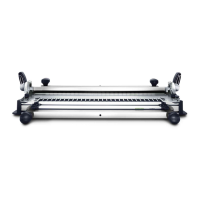
Dowel Guide

Description of the optional dowel guide accessory for round workpieces.

Systainer (System Container)

Parts of the Systainer

Identifies and describes the various components of the Systainer.

Stacking Systainers

Instructions for securely stacking and interlocking multiple Systainers.

Troubleshooting

Motor does not start

Common causes and solutions for the motor failing to start.

Plunging action is not smooth

Troubleshooting steps for a smooth plunging action.

Domino tenons are too loose

Reasons for loose tenons and methods to resolve the issue.

Domino tenons are too tight

Causes for tight tenons and how to address them.

Festool Domino DF 500 Specifications

General IconGeneral
Power consumption420 W
Max. routing depth28 mm
Cutter diameter4, 5, 6, 8, 10 mm
Dust extraction connection diameter27 mm
Weight3.2 kg
Voltage230 V
Frequency50/60 Hz
No-load speed10, 000 rpm
Mitre routing0° - 90°
Mortise depth15 mm, 20 mm, 25 mm, 28 mm

Related product manuals