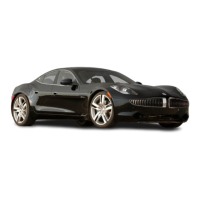
2022 Fisker Ocean
8. Inspection / Transportation / Storage
51
Inspection / Transportation / StoragePost-Incident Vehicle Inspection
Inspection Recommendations
WARNING: Always wear full PPE when inspecting a potentially damaged
vehicle.
It is necessary to inspect the vehicle post-incident to ensure that the high-voltage
system has properly shut down and the battery system has not been damaged.
It is strongly recommended to inspect the vehicle twice: once at the incident scene,
and again after the vehicle has been stored off-site.
• The inspection process at the scene of the incident may be limited due to time
constraints or lack of accessible PPE. A second inspection should be performed
after the vehicle has been moved to a storage or repair facility, where time and
resources are more available.
• There is a potential risk of delayed fire or fire re-ignition with damaged lithium-ion
batteries. A second post-incident inspection may catch such delayed reactions
before they progress to dangerous levels.
Until inspections have been completed, the vehicle should remain in isolation. See
Storage and Isolation, page 63
.
Potential Hazards
Electric vehicles with damaged high-voltage systems may pose hazards during
transit or storage, including:
• Loss of electrical isolation
• Exposure to potentially toxic materials and/or fumes
• Possible vehicle or battery fires due to re-ignition
Because of these potential hazards, the vehicle should remain isolated until after it
has passed inspections. See Isolation Methods, page 63
.
Tow operators, storage facility personnel, and vehicle owners should be made
aware of these risks when transporting and storing a damaged electric vehicle.


 To Next Page