cross winds. Allow extra distances for passing and stopping,
and drive at a moderate speed, particularly in traffic and in
gusty wind conditions.
Driving on winding or mountain roads is not difficult
if
done
with reasonable care.
Observe proper vehicle speeds when
ascending or descending hills and always operate in the
proper transmission range. Downshift on hills to avoid over-
heating or undue engine loads. Downshift when descending
grades.
Engine compression and friction will help control vehicle
speed, and relieve some
of
the strain on the brakes. Shift the
transmission to a lower gear before starting down the grade.
Mountain driving or desert temperatures can put extreme
demands on drive train components. Under extreme heat
conditions you may need to turn off the vehicle air condi-
tioner to improve engine and transmission cooling.
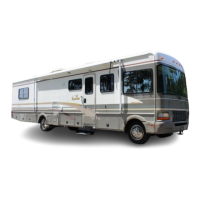
Be aware
of
the extra height
of
your motor home. Check for
low hanging tree branches or other obstructions whenever
you drive or park. Avoid low overhangs when pulling in for
service. Always check overhead clearances
of
overpasses and
bridges. This may be particularly important
if
YOIl
drive
with the overhead vents opell
01'
if
the motor home is
equipped with a
roof
air conditioner, I'oof rack, CB or
TVlradio/satellite antellna.
Before leaving on a trip, check your route. Some tunnels pro-
hibit motor homes with LP gas systems.
When parking parallel to a curb, be sure to allow for poles
or
obstructions as the front and rear portions
of
the motor home
swing wider than an automobile. When parking on an
incline, turn the front wheels into the curb in the direction
of
the roll to aid the parking brake. When parking, always shift
the transmission to
P and set the parking brake.
BOUNdER
DiEsEl



 To Next Page