ENG
14
• If the appliance has reached its “End of Lifecycle” (EOL), in other words, the appliance is not
repairable o
r re-usable, do not dispose of the appliance as unsorted
municipal waste. Instead,
ensure that it is collected separately from a recyclin
g company
.
Note
: The disposal of electronic and electrical appliances in landfill sites or through incineration
creates a number of environmental problems. When obsolete materials are not recycled, raw materials
have to be processed for the production of new products. This represents significant loss of resources
as the energy, transport and environmental damage caused by these processes is considerable.
•
To help in the recovery and recycling process of this appliance, do not dismantle or
break parts
off the appliance
prior to collection. By removing parts off the appliance, you can redu
ce its
r
ecyclability r
ate.
2.
The symbol shown in Fig. 1 belo
w, which is also on the Product
Label inside the appliance,
indicates the need for separa
te collection of electrical and electronic equipment based
on the
European
Comm
unity (EC) WEEE Directives.
Figure
1 - Crossed-Out Wheeled Bin
3. Finally, observe any recycling law
s applicable to your community or country.
9. Warranty
The appliance is covered by a war
ranty as this has been agreed upon sale.


 To Next Page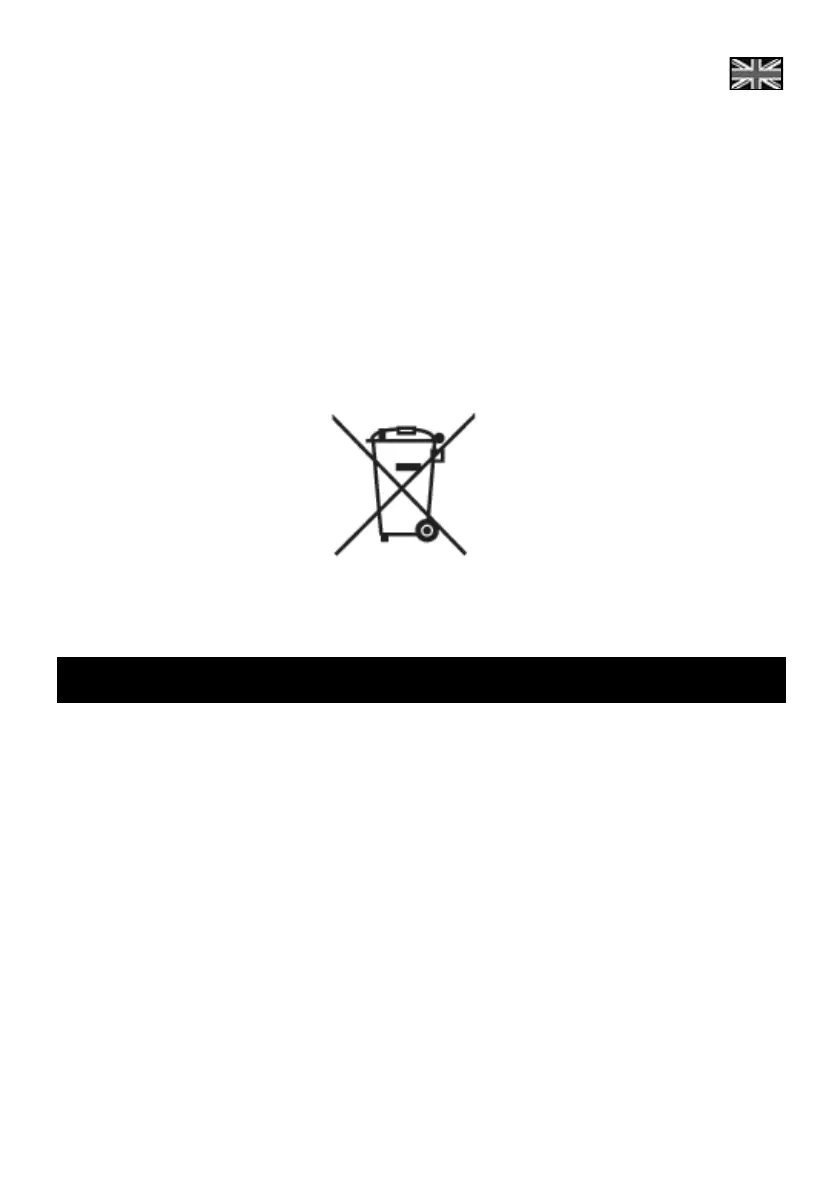
![Preview: FRIGOGLASS Super-5 [R600a]](https://data.easymanua.ls/products/889728/200x200/frigoglass-super-5-r600a.webp)
![Preview: FRIGOGLASS MAX-1000 SD [R290] C](https://data.easymanua.ls/logo/brand/39222/200x200/frigoglass.webp)