Troubleshooting
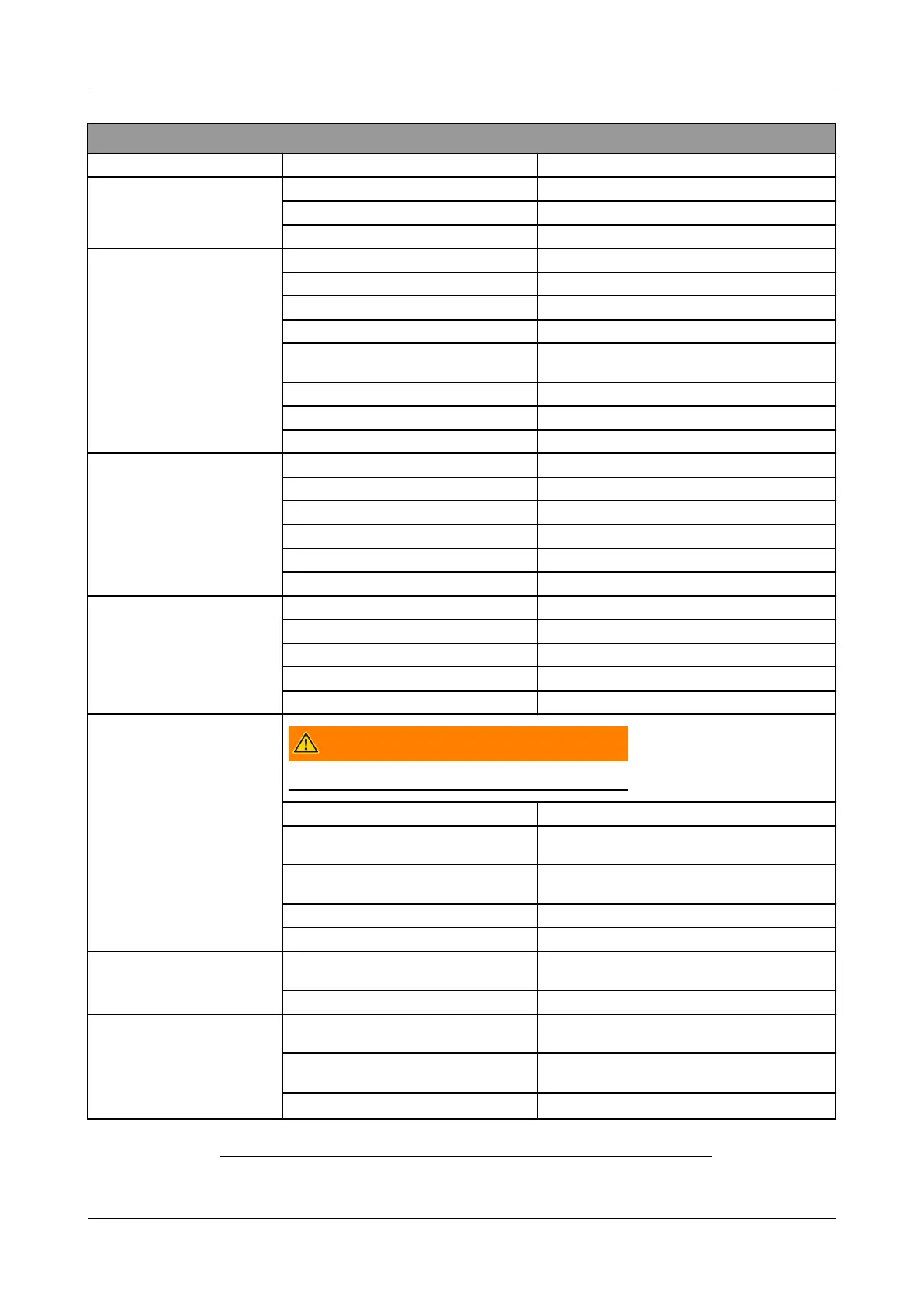
FAULT CAUSE REMEDY
A
Discharge pressure too high
1. Discharge stop valve not fully open Open fully
2. Discharge pressure gauge defective Repair or replace
3. Non-condensables in the system Purge with a Automatic Purger
B
Discharge temperature too high
1. Discharge pressure too high See A
2. Too many cylinders cut out Cut in more cylinders
3. Suction pressure too low See D
4. Excessive superheat of suction gas Eliminate excessive superheat
5. For two-stage compressors: interstage
cooling does not operate properly
Repair
6. Room temperature too high Ventilate engine room better
7. Discharge valve defective Repair or renew
8. Pressure relief valve is leaking Repair or renew
C
Suction pressure too high
1. Capacity control does not operate Repair
2. Compressor capacity too small Refer to plant design
3. Suction pressure gauge defective Repair or renew
4. One or more suction valves defective Renew suction valve rings
5. One or more discharge valves defective Repair or renew
6. Pressure relief valve is leaking Repair or renew
D
Suction pressure too low
1. Suction stop valve not fully open Open fully
2. Suction gas strainer blocked Renew
3. Injection control not adjusted correctly Re-adjust control
4. Too little refrigerant in installation Top-up with refrigerant
5. Suction pressure gauge defective Renew
E
Crankcase frosted or wet *
6
Warning!
Stop compressor and contact installation engineer
1. Liquid refrigerant in crankcase due to:
1a. Room temperature too low
Provide for crankcase heating or, if provided, check
it for proper operation
1b. Oil return from separator contains liquid
refrigerant
Consult plant manual
1c. Installation operates too wet Re-adjust installation and provide for superheat
1d. Liquid separator too small Consult plant manual
F
All cylinders inactive while
compressor is operating
1. Oil pressure for valve lifting mechanism
too low
See J
2. Incorrect wiring of capacity control Refer to the "Product Information”
G
Too high oil consumption
1. Type of oil not according to oil lubrication
oil table (too thin oil)
Change oil type
2. Compressor operates unloaded too
frequently
Refer to design calculations
3. No return from oil separator *
7
Check the operation of float valve in oil separator
6 In case of R744 applications only, crankcase can be frosted or wet, during normal operating conditions.
7 During the initial start-up, the oil separator (if present) consumes oil before the first oil will be returned.
INSPECTION AND TROUBLE SHOOTING
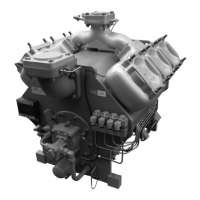
TROUBLESHOOTING TABLE GRASSO RECIPROCATING COMPRESSORS
0089288_imm_v_english_19
40 07.04.2021


 To Next Page