7
441 01 2121 01
PERSONAL INJURY AND/OR PROPERTY
DAMAGE HAZARD
Improper use or installation of this furnace may result in
premature furnace component failure. This gas furnace
may be used for heating buildings under construction
provided that:
−The furnace is permanently installed with all electrical
wiring, piping, venting and ducting installed according to
these installation instructions. A return air duct is
provided, sealed to the furnace casing, and terminated
outside the space containing the furnace. This prevents a
negative pressure condition as created by the circulating
air blower, causing a flame rollout and/or drawing
combustion products into the structure.
−The furnace is controlled by a thermostat. It may not be
“hot wired” to provide heat continuously to the structure
without thermostatic control.
−Clean outside air is provided for combustion. This is to
minimize the corrosive effects of adhesives, sealers and
other construction materials. It also prevents the
entrainment of drywall dust into combustion air, which can
cause fouling and plugging of furnace components.
−The temperature of the return air to the furnace is
maintained between 55F (13C) and 80F (27C), with
no evening setback or shutdown. The use of the furnace
while the structure is under construction is deemed to be
intermittent operation per our installation instructions.
−The air temperature rise is within the rated rise range on
the furnace rating plate, and the gas input rate has been
set to the nameplate value. −The filters used to clean the
circulating air during the construction process must be
either changed or thoroughly cleaned prior to occupancy.
−The furnace, ductwork and filters are cleaned as
necessary to remove drywall dust and construction debris
from all HVAC system components after construction is
completed.
−Verify proper furnace operating conditions including
ignition, gas input rate, air temperature rise, and venting
according to these installation instructions.
CAUTION
!
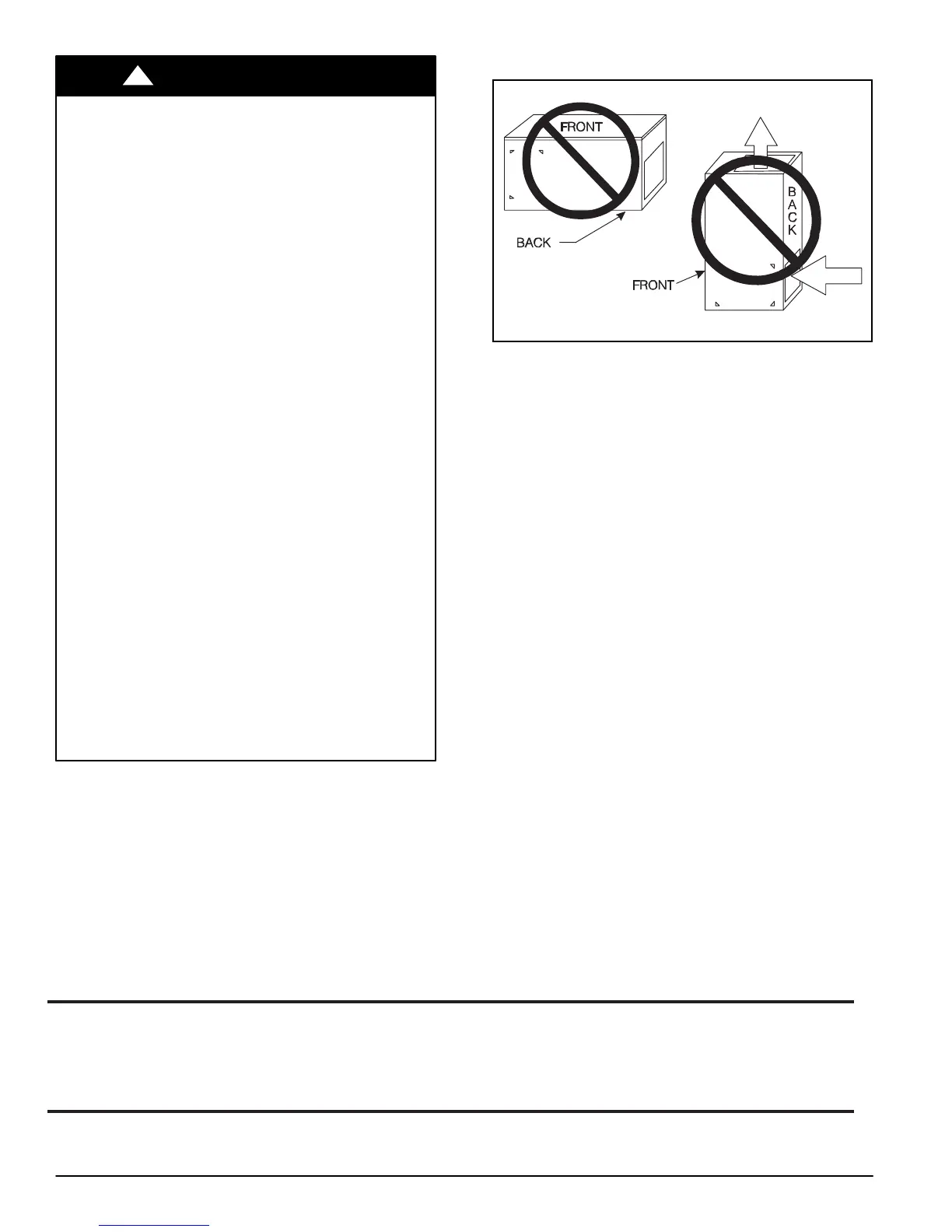
Figure 6 − Prohibit Installation on Back
A02054
Table 2 – Minimum Free Area Required for Each Combustion Air opening of Duct to Outdoors
FURNACE
INPUT
(BTUH)
TWO HORIZONTAL DUCTS SINGLE DUCT OR OPENING TWO OPENINGS OR VERTICAL DUCTS
(1 SQ. IN./2,000 BTUH) (1,100 SQ. MM/KW) (1 SQ. IN./3,000 BTUH) (734 SQ. MM/KW) (1 SQ. IN./4,000 BTUH) (550 SQ. MM/KW)
Free Area of Opening
and Duct
Sq. In. (Sq. mm)
Round Duct
Dia.
In. (mm)
Free Area of Opening
and Duct
Sq. In. (Sq. mm)
Round Duct
Dia.
In. (mm)
Free Area of Opening
and Duct
Sq. In. (Sq. mm)
Round Duct
Dia.
In. (mm)
44,000 22 (14194) 6 (152) 14.7 (9484) 5 (127) 11 (7096) 4 (102)
66,000 33 (21290) 7 (178) 22 (14193) 6 (152) 16.5 (10645) 5 (127)
88,000 44 (28387) 8 (203) 29.3 (18903) 7 (178) 22 (14193) 6 (152)
110,000 55 (35484) 9 (229) 36.7 (23677) 7 (178) 27.5 (17742) 6 (152)
132,000 66 (42580) 10 (254) 44 (28387) 8 (203) 33 (21290) 7 (178)
EXAMPLES: Determining Free Area
FURNACE WATER HEATER TOTAL INPUT
110,000 + 30,000 = (140,000 divided by 4,000) = 35.0 Sq. In. for each two Vertical Ducts or Openings
66,000 + 40,000 = (106,000 divided by 3,000) = 35.3 Sq. In. for a Single Duct or Opening
88,000 + 30,000 = (118,000 divided by 2,000) = 59.0 Sq. In. for each of two Horizontal Ducts


 To Next Page