Need help?
Do you have a question about the Hitachi CH-6.0N2 and is the answer not in the manual?
Details on R410A's Global Warming Potential (GWP) and how to calculate CO2 equivalent as per regulations.
Guidelines for environmentally sound disposal and mandatory professional dismantling due to refrigerants.
Explains different hazard levels (Danger, Warning, Caution) for user safety.
Instructions on using only specified manuals for the AquaFREE module.
Emphasizes reading and understanding the manual before unit operation for future reference.
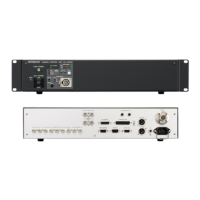
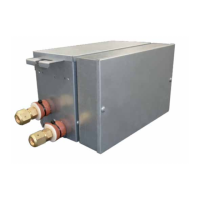
Details physical dimensions and key specifications for CH-6.0N2 and CH-10.0N2 models.
Illustrates the refrigerant flow for cooling and heating operations.
Lists essential tools and instruments needed for the installation process.
Guidelines for safe product handling and transportation before installation.
Details compatible indoor unit quantities and capacities for CH units.
Safety warnings regarding flammable environments and outdoor installation.
Lists essential accessories provided with the CH unit for installation.
Checks for ceiling support and methods to reduce refrigerant flow sound.
Guidance on avoiding specific locations like bedrooms, kitchens, or areas with medical equipment.
Initial steps for selecting location and mounting suspension bolts.
Procedures for mounting bolts on steel beams, wooden beams, concrete slabs, and reinforcing steel.
Step-by-step guide for changing the electrical box location, including wiring adjustments.
Guidance on marking suspension bolt and wiring connection points.
Instructions for correctly hanging the unit using suspension bolts and ensuring level installation.
Details on selecting and preparing copper pipes for refrigerant lines.
Important safety and procedural notes for connecting refrigerant pipes, including tightening torque.
Illustrates connection points for refrigerant pipes based on model and capacity.
Guidelines for selecting pipe sizes based on indoor unit capacity and connection tables.
Detailed diagrams for refrigerant pipe connections based on indoor unit capacity.
Warnings and cautions regarding electrical wiring, including power OFF and vermin protection.
Recommendations for insulating flare nut connections based on humidity levels.
Steps for connecting power supply, earth, and operating line wires to the unit.
Tables and guidelines for selecting appropriate wire sizes based on current and standards.
Illustrates the electrical connection for the entire system, including outdoor and indoor units.
Instructions for setting dip switches on the PCB for proper unit function.
Essential notes and warnings for performing a safe and correct test run of the system.
Specifies the fuse capacity required for the control circuit of the CH unit.
 General
| Brand | Hitachi |
|---|---|
| Model | CH-6.0N2 |
| Category | Control Unit |
| Language | English |

 To Next Page