12. With the engine at operating temperature, set the idle speed to the manufacturer’s specifications (see page 10 for idle adjustment).
13. Shut off the engine and readjust the throttle operated transmission linkage, if necessary. On installations that have a kickdown-
actuating switch on the passenger’s side of the firewall, it might be necessary to readjust it according to the manufacturer’s service
manual.
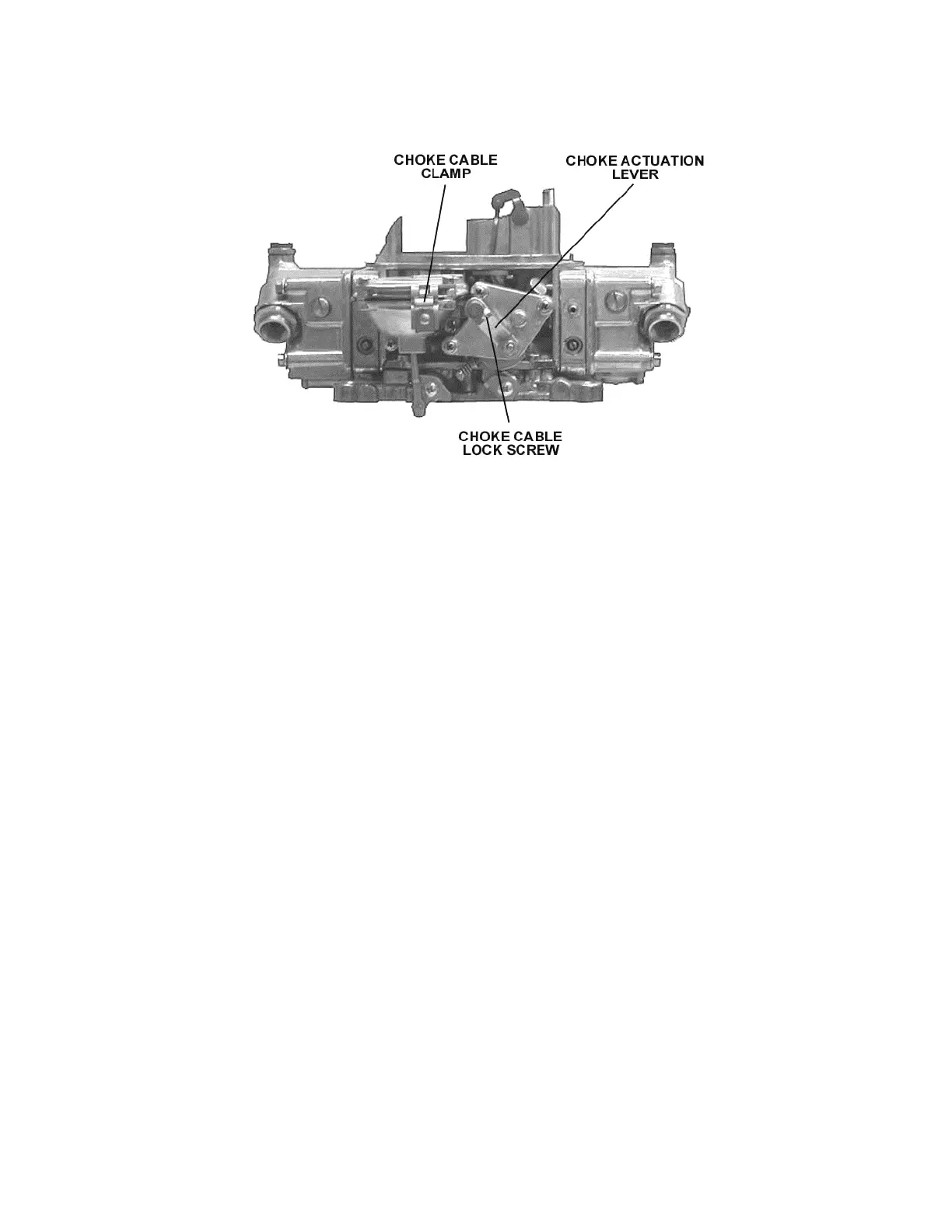
Figure 7 Manual choke parts (0-3310S shown)
FORD APPLICATIONS WITH AUTOMATIC TRANSMISSIONS: With the engine off, push the transmission kickdown rod rearward
until it stops and hold it in position. Push the throttle lever rearward to its wide-open throttle position and adjust the transmission
kickdown screw to come in contact with the transmission kickdown lever tang.
WARNING: With the engine off, recheck the assembled linkage for sticking and/or proper return to the idle position.
14. Place the air cleaner gasket (supplied) on the sealing flange, and install the air cleaner.
15. With some air cleaner configurations, it may be necessary to use an air cleaner spacer to provide adequate clearance between the
carburetor and the air cleaner. Holley® offers such a spacer (Holley® P/N 17-13). Depending on the overall height, obtain the
proper length 1/4 x 20 stud and install in the carburetor airhorn. Close the hood slowly to ensure adequate clearance between the
air cleaner stud and the hood.
WARNING: Inadequate clearance between the air cleaner and the throttle lever could result in throttle sticking and
uncontrolled engine speed. Check the clearance between the throttle lever and air cleaner for proper operation.
Check the clearance between the air cleaner and the hood before closing the hood completely.
MAINTENANCE WARNING: Fuel system components, including fuel lines and the carburetor, should be inspected
periodically to assure no fuel leakage and to ensure the soundness of the hoses. Today’s clean emissions engines provide
higher temperatures in the engine compartment. These high temperatures promote faster aging of non-metallic materials.
Hoses that exhibit surface cracks, when bent to 180°, should be replaced. The presence of liquid fuel demands tightening of fittings,
hose replacement, and retorquing of the fuel system component flange nuts. Periodically check the torque on the fuel bowl screws to
25-30 in./lbs. to assure proper fuel metering.
GENERAL: Some very important factors to optimize efficiency and performance include: Correct engine timing, correct spark plug
gap and heat range, ignition components in good working order, and correct operation of exhaust heat valve.
WARNING: Automatic transmission vehicles only: Install the transmission kickdown adjustment screw and black retaining
clip, as correctly indicated. Failure to attend to this detail may result in a sticking wide-open throttle or
dangerous uncontrolled engine speed.







 To Next Page