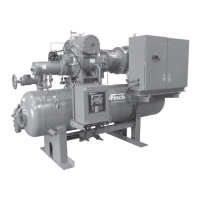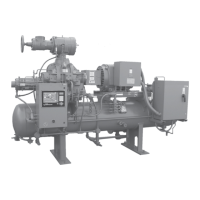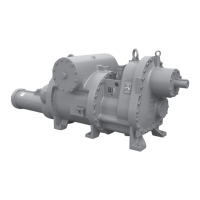
EasyManua.ls Logo

Johnson Controls Frick RXF 12 - User Manual

Johnson Controls Frick RXF 12
64 pages
Print Icon
To Next Page IconTo Next Page
Loading...
RXF


Form 070.410-IOM (JAN 2012)
INSTALLATION - OPERATION - MAINTENANCE
File: SERVICE MANUAL - Section 70
Replaces: 070.410-IOM (JUL 2011)
Dist: 3, 3a, 3b, 3c
Please check www.johnsoncontrols.com/frick for the latest version of this publication.
THIS MANUAL CONTAINS RIGGING, ASSEMBLY, START-UP,
AND MAINTENANCE INSTRUCTIONS. READ THOROUGHLY
BEFORE BEGINNING INSTALLATION. FAILURE TO FOLLOW THESE
INSTRUCTIONS MAY RESULT IN PERSONAL INJURY OR DEATH,
DAMAGE TO THE UNIT, OR IMPROPER OPERATION.

Table of Contents

Questions and Answers

  • P
    Patrick TylerAug 16, 2025
    What to do if my Johnson Controls Frick RXF 12 pump does not pump?
    • M
      monicajacksonAug 16, 2025
      If your Johnson Controls Air Compressor pump isn't pumping, several issues could be the cause. It might have lost its prime due to an air leak or low level in the tank, so fix any air leaks and ensure the liquid level is adequate. Check that the pump is rotating in the correct direction and that the motor is operating at the correct speed. Also, make sure both the suction and discharge valves are open and that the strainer isn't clogged. If the relief valve is set too low or stuck open, adjust it. A worn-out pump will also fail to pump, so consider replacing it. Review any recent changes to the liquid system or operations that might explain the issue, and adjust the end clearance and head position if they are incorrect.
  • D
    Dalton FosterAug 22, 2025
    Why is my Johnson Controls Frick RXF 12 Air Compressor pump so noisy?
    • R
      Rebecca HartmanAug 22, 2025
      A noisy Johnson Controls Air Compressor pump can stem from several causes. The pump might be starved, meaning heavy liquid can't reach it quickly enough, so increase the suction pipe size or reduce its length. Alternatively, the pump could be cavitating due to liquid vaporizing in the suction line; in this case, increase the suction pipe size or raise the liquid level if the pump is above it. Ensure proper alignment and check for a bent shaft or rotor tooth, straightening or replacing if necessary. Also, inspect for and clear any foreign objects that might be entering the pump through the suction port.
  • K
    Kimberly WeberAug 26, 2025
    What to do if Johnson Controls Air Compressor pump starts, then loses its prime?
    • J
      John GreenAug 26, 2025
      If your Johnson Controls Air Compressor pump starts but then loses its prime, consider these potential causes. A low level in the tank could be the issue, so maintain a higher level. Liquid vaporizing in the suction line can also cause this problem, so prevent liquid vaporization. Check for air leaks or air pockets in the suction line, including leaks through packing or the mechanical seal, and inspect and repair any leaks. Finally, worn components can lead to loss of prime, so replace them as needed.
  • T
    Tiffany RichardsonAug 28, 2025
    Why does my Johnson Controls Frick RXF 12 Air Compressor pump take too much power?
    • N
      Nathan Mitchell MDAug 28, 2025
      If your Johnson Controls Air Compressor pump is consuming excessive power, several factors could be responsible. Check that the motor speed, reducer ratio, and sheave size are correct for your setup. If the liquid is more viscous than the unit is designed to handle, consider heating the liquid, increasing the pipe size, slowing the pump down, or using a larger motor. Confirm the discharge pressure and modify the system accordingly if it's higher than calculated. Ensure the pump is properly realigned. Also, verify that the clearance on the pumping elements is sufficient for the operating conditions, checking for drag or contact and increasing clearance where necessary.
  • L
    Latoya BairdAug 31, 2025
    What causes a high pressure reading on the discharge port of a Johnson Controls Frick RXF 12?
    • J
      Jennifer MontesAug 31, 2025
      A high-pressure reading on the discharge port of your Johnson Controls Air Compressor could be due to several reasons. High viscosity combined with a small or long discharge line can cause this, so reduce viscosity or optimize the discharge line size. Make sure the gate valve is fully open. A plugged filter can also increase pressure, so clean or replace it. If the vertical head didn't account for a high specific gravity liquid, adjust the system design accordingly. Inspect and clean the inside of the pipe if it's partially plugged from buildup. Ensure the liquid in the pipe is at the correct temperature, and if it has solidified due to a chemical reaction, replace it. Lastly, check that the relief valve isn't set too high and adjust it if necessary.
  • T
    Tyler MilesSep 3, 2025
    What causes a low vacuum gauge reading on the suction port of a Johnson Controls Frick RXF 12?
    • S
      Stacey JohnsonSep 3, 2025
      A low vacuum gauge reading on the suction port of your Johnson Controls Air Compressor can be caused by a few things. There might be an air leak in the suction line, so inspect for and fix any leaks. Ensure the end of the pipe is submerged in liquid. If the pump is worn, replace the worn components. Also, the pump might be dry and need priming, so prime the pump.
  • A
    Amy RoseSep 6, 2025
    Why is there a high reading on the vacuum gauge of my Johnson Controls Frick RXF 12 Air Compressor suction port?
    • M
      Michael WilsonSep 6, 2025
      A high reading on the vacuum gauge of your Johnson Controls Air Compressor suction port can indicate several issues. The suction line might be blocked due to a stuck foot valve, closed gate valve, or plugged strainer, so check the suction line for blockages. If the liquid is too viscous to flow through the piping, reduce its viscosity. The lift might be too high, so adjust the lift height. Additionally, the line might be too small, so increase its size.
  • C
    Cynthia MilesSep 9, 2025
    What causes a low pressure reading on the discharge port of a Johnson Controls Air Compressor?
    • C
      Cristian NovakSep 9, 2025
      A low pressure reading on the discharge port of your Johnson Controls Air Compressor can be attributed to several factors. The relief valve might be set too low, so adjust the relief valve setting. If the relief valve poppet isn't seating properly, repair or replace it. Too much extra clearance can also cause low pressure, so reduce the extra clearance. Lastly, if the pump is worn, replace the worn components.
  • L
    Laura SanchezSep 10, 2025
    Why is my Johnson Controls Frick RXF 12 Air Compressor pump not up to capacity?
    • K
      Kayla MatthewsSep 12, 2025
      If your Johnson Controls Air Compressor pump isn't reaching its full capacity, it could be due to several reasons. The pump might be starving or cavitating, so adjust the suction pipe size or reduce its length. A partially clogged strainer can also restrict flow, so clean it. Check for and fix any air leaks in the suction piping or along the pump shaft. Ensure the motor is running at the correct speed and is wired correctly. If the relief valve is set too low or stuck open, adjust or replace it. A worn-out pump will also reduce capacity, so replace it if necessary. Finally, make sure the end clearance and head position are correct.
  • T
    Tiffany McclureSep 12, 2025
    What to do if vacuum gauge reading is erratic on Johnson Controls Frick RXF 12 Air Compressor?
    • T
      Thomas EvansSep 12, 2025
      If you observe a fluttering, jumping, or erratic reading on the vacuum gauge of your Johnson Controls Air Compressor, it could be due to liquid vaporizing. Identify and alleviate the conditions causing liquid vaporization. It may also be caused by liquid coming to the pump in slugs, possibly due to an air leak or insufficient liquid above the end of the suction pipe, so address air leaks and maintain an adequate liquid level. Vibrations from cavitation, misalignment, or damaged parts can also cause erratic readings, so check for cavitation and align or repair any damaged parts.

Summary

General Information

Preface

Manual's purpose to acquaint owners/servicers with installation, operation, and maintenance.

Design Limitations

Specifies operational limits for compressor units as per Frick Publication 070.410-SED.

Job Inspection

Procedure for examining compressor packages upon arrival for damage and shortages.

Transit Damage Claims

Instructions for filing claims for transit damage, including carrier inspection and reporting.

Safety Precaution Definitions

Definitions for DANGER, WARNING, CAUTION, and NOTE used in the manual for safety.

Unit Identification

Compressor Data Plate

Details the layout and information found on the compressor data plate.

Installation

Foundation

Requirements for supporting the compressor package, including material, anchoring, and leveling.

Handling and Moving

Procedures and precautions for safely moving compressor packages using forklifts or cranes.

Skid Removal

Instructions for removing the wooden skid from the compressor unit after placement.

Compressor;Motor Couplings

CH Coupling

Details the T. B. Woods Elastomeric Type CH Coupling used for connecting compressor and motor.

Holding Charge and Storage

Information on how units are charged and stored at the factory before installation.

Oil Heater

Oil Filter(s)

Guidance on using approved Frick filter elements to maintain warranty.

Suction Isolation Valve Mounting

Instructions for correctly installing the suction isolation valve to prevent check valve damage.

Compressor Oil Cooling Systems

Thermosyphon Oil Cooling

Explains the economical and effective method of cooling oil using liquid refrigerant.

Water-Cooled Oil Cooling

Details water-cooled oil coolers, including water quality, cleaning, and welding instructions.

Single-Port Liquid Injection

Describes the system for injecting liquid refrigerant into one compressor port.

Dual-Port Liquid Injection

Details the system for injecting liquid refrigerant into two ports for efficiency.

QuantumLX EZ-Cool LIOC Adjustment Procedure

Step-by-step guide for setting up and tuning the EZ-Cool™ LIOC with a Quantum™ LX Control Panel.

Economizer - High Stage (Optional)

Economizer System Overview

Explains how economizers increase system capacity and efficiency by subcooling liquid refrigerant.

Economizer System Diagrams

Presents diagrams illustrating recommended economizer system configurations.

Electrical

Voltage Protection

Discusses issues with UPS systems and recommends CV transformers for voltage stability.

Motor Starter Package

Details requirements for starter packages, including shunting devices for across-the-line starting.

Current Transformer (CT) Sizing

Provides a formula and guidance for selecting the correct Current Transformer (CT) size.

Minimum Burden Ratings

Table of minimum CT burden ratings based on distance from the Frick panel.

Control Power Regulator

Information on control power regulators for areas with power fluctuations.

Operation

Operation and Start-Up Instructions

Step-by-step instructions for properly starting up and operating the RXF Rotary Screw Compressor Unit.

RXF Compressor Features

Details the features of the Frick RXF rotary screw compressor, including its design and components.

Compressor Lubrication System

Explains the functions of the lubrication system, including lubrication and heat removal.

No Pump Oil System

Describes the self-lubricating design of the RXF unit for high-stage service.

Cold-Start System

Details the cold-start discharge check valve system for lubrication at low ambient temperatures.

Demand Pump Oil System

Explains the demand pump system for low differential pressure applications and boosters.

Compressor Oil Separation System

Describes the oil-flooded screw compressor's oil separation process and oil return mechanism.

Compressor Hydraulic System

Explains how the hydraulic system controls the slide valve and Volumizer II for capacity and Vi control.

Capacity Control

Details how the compressor is loaded and unloaded, including the role of the slide valve piston.

Compressor Unloading

Explains how the compressor unloads via the MSV solenoid and needle valve.

Slide Valve Travel Adjustment

Guidance on adjusting the slide valve travel time to prevent hunting.

Volumizer II Vi Control

Details the automatic adjustment of the compressor volume ratio to optimize efficiency.

Slide Valve Calibration

Instructions for performing slide valve calibration on the Quantum LX control panel.

PID Parameter Descriptions

Explains PID parameters like Proportional Band, Proportional Gain, Integral Gain, and Derivative Gain.

Danfoss Liquid Injection Valve Operation

Details how to monitor and change parameters for the Danfoss ICAD and ICM valve.

Danfoss ICAD Alarms

Describes how the ICAD display shows alarms and their priority.

Danfoss ICAD Factory Reset

Procedure to reset the Danfoss ICAD actuator to its factory settings.

Danfoss ICAD Parameter List

Lists and describes parameters for the Danfoss ICAD/ICM valve, including their settings and functions.

Start-Up Procedures

Initial Start-Up Procedure

Points to consider during initial start-up of the compressor unit.

Normal Start-Up Procedure

Steps for starting the compressor unit under normal operating conditions.

Restarting After Power Interruption

Procedure for restarting the unit after a plant power failure.

VFD Skip Frequencies

Criteria for identifying and skipping frequencies that cause excessive energy or vibration in VFD packages.

Maintenance

Normal Maintenance Operations

General safety precautions and steps to take before performing maintenance.

General Maintenance Practices

Key areas for maintaining compressor operation, including keeping oil/refrigerant clean and preventing liquid slugging.

Compressor Shutdown and Start-Up

Procedure for seasonal or prolonged shutdown and subsequent start-up.

Replacing Compressor Unit Components

Step-by-step instructions for replacing components exposed to refrigerant safely.

Changing Spin-On Oil Filter

Procedure for changing the spin-on oil filter element for RXF 12-50 models.

Changing Single Element Oil Filter

Procedure for changing the single element oil filter cartridge for RXF 58-101 models.

Cleaning Coalescer Oil Return Strainer

Procedure for cleaning the coalescer oil return strainer.

Cleaning Liquid Injection Strainer

Procedure for cleaning the liquid injection strainer.

Cleaning Oil Pump Strainer

Procedure for cleaning the oil pump strainer.

Suction Check Valve Bypass

Explains the uses and operation of the suction check valve bypass feature.

Coalescer Filter Element Warning

States that using non-Frick coalescer filter elements may void the warranty.

Changing Compressor Oil

Step-by-step procedure for changing the compressor oil, including filter and strainer replacement.

Cleaning Suction Strainer

Procedure for cleaning the suction strainer, including specific steps for liquid injection systems.

Maintenance Schedule

A schedule detailing maintenance tasks based on operating hours and time intervals.

Flange Torque Specifications

Torque values for critical flange connections on RXF models.

Demand Pump Maintenance

Demand Pump Disassembly

Detailed instructions for disassembling a Viking pump, with safety warnings.

Installation of Carbon Graphite Bushings

Precautions and procedures for installing carbon graphite bushings.

Troubleshooting the Demand Pump

Guide for diagnosing demand pump issues, interpreting suction vacuum gauge readings.

Demand Pump Assembly

Step-by-step instructions for reassembling a Viking pump with a standard mechanical seal.

Thrust Bearing Adjustment

Instructions for adjusting the thrust bearing for proper pump end clearance.

Troubleshooting Guide

Compressor Troubleshooting

Lists probable causes and corrections for compressor noise, vibration, and oil issues.

Oil Separator Troubleshooting

Lists probable causes and corrections for oil separator issues like high oil level or carryover.

Liquid Injection Oil Cooling Troubleshooting

Lists probable causes and corrections for high or low oil temperature and fluctuations.

Hydraulic System Troubleshooting

Lists probable causes and corrections for slide valve and slide stop operation issues.

Compressor Port Locations

RXF 12-19 Port Identification

Identifies and lists connections for ports on RXF 12-19 compressor models.

RXF 24-50 Port Identification

Identifies and lists connections for ports on RXF 24-50 compressor models.

RXF 58-101 Port Identification

Identifies and lists connections for ports on RXF 58-101 compressor models.

Fittings and Assembly Procedures

SAE Fitting Assembly Procedure

Outlines the proper installation of SAE straight thread fittings to SAE straight thread ports.

Piping and Instrumentation Diagrams

Single-Port Liquid Injection P&I Diagram

Piping and Instrumentation diagram for single-port liquid injection systems.

Dual-Port Liquid Injection P&I Diagram

Piping and Instrumentation diagram for dual-port liquid injection systems.

Wiring Diagrams

External Analog Device Wiring Harness

Illustrates wiring harness connections for external analog devices.

External AC Wiring Harness

Shows external AC wiring harness for heaters and valves.

AC Conduit Wiring Harness

Depicts AC conduit wiring harness from Quantum to DBS Panel.

Proper Installation of Electrical Equipment

Electrical Equipment Installation in Industrial Environment

Practices to protect sensitive electronics from RFI, EMI, and ground loop currents.

Wire Sizing Guidelines

Guidelines for sizing control power supply wires to prevent voltage dips and malfunctions.

Voltage Source Selection

Importance of selecting a clean, isolated voltage source to prevent EMI interference.

Grounding Requirements

Importance of proper grounding with stranded copper wire for electronic control equipment.

VFD Applications Grounding

Special grounding and isolation requirements for VFD applications due to EMI.

Conduit Installation Requirements

National and local code requirements for conduit materials, spacing, and grounding.

Wiring Practices

Rules for running wires, including avoiding mixing voltages and maintaining separation.

Panel Drilling Safety Precautions

Precautions to take when drilling into electronic control panels to prevent damage.

Power;Ground Wire Connection Warning

Warning against daisy-chaining power/ground wires to electronic control panels.

Communications Installation

Importance of proper installation for serial and ethernet communications networks.

UPS Power and Quantum LX Panels

Johnson Controls' stance on using UPS systems with Quantum™ LX panels and potential issues.

Prestart and Start-up Procedures

Compressor Prestart Checklist

Checklist of mechanical and electrical items to verify before Frick Field Service Supervisor arrival.

Start-Up Supervisor Tasks

Tasks performed by the Frick Field Service Supervisor during start-up.

Prestart Checks Checklist Items

Check items for prestart verification, including installation, valves, wiring, and settings.

Start-up Report Setpoints

Capacity Control and Regulation Setpoints

Fields for entering setpoints related to capacity control and regulation safeties.

Compressor Safeties Setpoints

Fields for entering setpoints for compressor safeties like discharge temperature and pressure.

Package Safeties Setpoints

Fields for entering setpoints for package safeties like oil temperature and pressure.

Compressor Motor and VFD Setpoints

Fields for entering motor details, VFD parameters, and PHD monitoring setpoints.

Vyper Coolant Setpoints

Fields for entering Vyper coolant setpoints and alarms.

Condenser Control Setpoints

Fields for entering condenser control setpoints and digital/analog control configurations.

P&ID and Communication Setpoints

Fields for entering P&ID setpoints for control and communication parameters.

Johnson Controls Frick RXF 12 Specifications

General IconGeneral
BrandJohnson Controls
ModelFrick RXF 12
CategoryAir Compressor
LanguageEnglish

Related product manuals