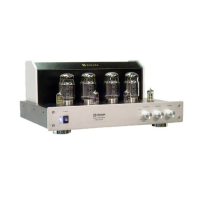
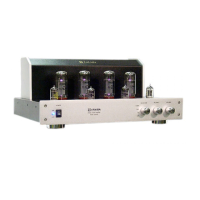
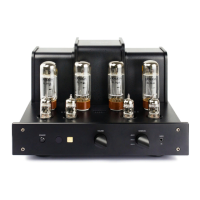
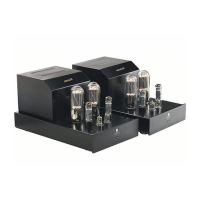
in terms of old radios in the 1940s and 1950s. However, in the past, tube equipment was known for its reliability
and, in fact, vacuum tubes currently are still in widespread use. The picture screen of your television and computer
monitor is a CRT or cathode ray tube. Radar, microwave ovens, ham radios, guitar amplifiers, cat scanners, X-ray
machines, plastic sealing machines and power radio transmitters, to name a few types of equipment, still use
vacuum tube technology.
The real reason to have vacuum tubes in an amplifier is the quality of sound it produces. There has been a
perennial debate over whether solid state amplifiers sound better than vacuum tube amplifiers. To be sure, solid
state proponents also have pointed to the problems of tube amplifiers in terms of hot vacuum tubes that can burn
you or your children and the need to replace the tubes. However, the critics of tube amplifiers cannot argue
against the beauty of sound reproduction. A tube amplifier matched with an appropriate speaker can produce a
magical sound. The hard, brittle and edgy presentation of many solid state amplifiers is in sharp contrast to the
rich, lush liquidity and sound presentation or sound stage of a tube amplifier. The midrange and treble are smooth
and silky with crystal clear sound definition. As for bass, solid state can produce a harder bass sound; but a good
tube amp can still deliver a punch in the lower end. Simply put, have your friends listen to the sound; of a tube
amplifier and they will probably want to know where you purchased it.
Replacing Your Tubes
When you replace the 6550 vacuum tubes in your unit, you will have to rebias as explained in the next section.
This work can be done by your audio dealer or service repair shop if you do not desire to do it yourself. When you
replace the 12AT7s or the 12AX7s, you do not have to rebias the amplifier.
1. Should you replace your tubes make certain the amplifier is unplugged from the wall AC receptacle and make
certain the unit has not been operating for at least thirty minutes. This allows the capacitor to discharge and the
tubes to cool down.
2. To remove a vacuum tube, use your thumb, index finger and middle finger to gently grasp the vacuum tube on
all sides. Hold the tube in the same manner as you would hold a incandescent light bulb. To extract the tube from
the socket, gently rock the tube from side to side while pulling up on it until the tube pins have been freed from the
socket. Never use excessive force.
3. When replacing the tubes, make certain that the right part is being placed in the socket, e.g. V1=12AX7, etc.
4. The socket is keyed with the middle plastic pin on the bottom of the tube. Holding the tube with the thumb, index
finger and middle finger, key or line up the tube plastic pin and the metal pins with the socket and gently push
down on the tube until it is seated. Never try to force the tube into the socket. If the tube does not go easily into
the socket, check to make certain the pins are lined up and that you are using the right tube.
Biasing
For your Information:
Biasing is simply adjusting the amplifier bias trim pots to make certain the tubes are electrically operating in a
similar manner, i.e. that the tubes are pushing out approximately the same amount of electrical power. Biasing is
a simple procedure requiring only a few tools and ten minutes of your time. However, there are certain factors that
must be understood and followed before any attempt to bias your amplifier is made. They are:
1. When you first receive the amplifier, there is a possibility that the bias may have to be adjusted on the amplifier.
The unit's bias is set at the factory, but there are two major factors, which can cause a change in the bias setting.
First, significant vibration during shipping can affect the tubes or cause minute movements in the bias trim
potentiometers and thus change the bias setting. Secondly, AC voltage levels can vary from one geographical
region to another and thus the AC voltage can be different from the Jolida testing voltage of 117 volts which can
raise or lower the bias setting.
2. Jolida recommends that the bias be adjusted only when you receive the amplifier and find bias settings
incorrect, if there is a reduction in the power output of the 6550 power output tubes due to the natural wear of the
tube over time, or when new 6550 electron tubes are installed.
3. In general, after the initial biasing, you do not have to bias the JD 502B for six months to three years. There will
be fluctuations in the bias of the amplifier that are due to either the changes in voltage (in some regions of the
country the voltage can vary depending on the time of day or on what type or how much electrical equipment is
operating in a given home) or because the thermal balance of a tube may be such, that the tube after it has been


 To Next Page
 Loading...