EasyManua.ls Logo

Kärcher HDS 945 - User Manual

Kärcher HDS 945
17 pages
Print Icon
To Next Page IconTo Next Page
Loading...
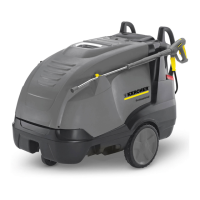
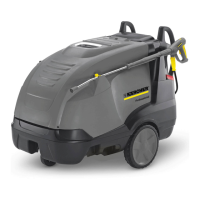
HDS 945
HDS 1000
HDS 1055
www.karcher.com 5.956-780 A 2005729 (06/03)
Question and Answer IconNeed help?

Do you have a question about the Kärcher HDS 945 and is the answer not in the manual?

Summary

Important Safety Instructions

Grounding Instructions

Ensures proper grounding for electric shock reduction and safe use of the product's cord.

Extension Cords

Guidelines for selecting and using 3-wire extension cords for outdoor appliance use.

Appliance Diagram and Controls

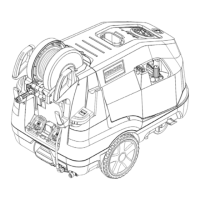
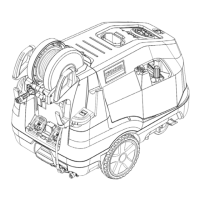
Appliance Diagram

Visual representation of the appliance's components and layout for identification.

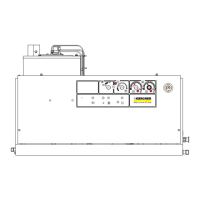
Control Panel Overview

Identification and description of the various controls and indicators on the appliance.

Technical Data

Start-up Procedures

Environmental Protection

Guidelines for environmentally responsible disposal of packaging, scrapped units, and used oil.

Unpacking and Accessory Attachment

Steps for unpacking the appliance, checking for damage, and attaching accessories.

Checking and Filling Fluids

Procedures for checking high-pressure pump oil level and filling the fuel and liquid softener tanks.

Connecting Water and Power

Instructions for connecting the water supply and electrical power to the appliance.

Intended Use

Applications and recommended uses for the high-pressure cleaner.

Operating the Appliance

Appliance Venting and Nozzle Use

Steps for venting the appliance and selecting appropriate high-pressure nozzles.

Adjusting Pressure and Temperature

How to adjust operating pressure, flow rate, and working temperature for effective cleaning.

Using Detergent and Interrupting Operation

Guidance on operating with detergent and safely interrupting or switching off the appliance.

Care and Maintenance

Routine Checks and Cleaning

Weekly, monthly, and annual maintenance tasks including oil checks and strainer cleaning.

Heating Element Maintenance

Procedures for decarbonizing and decalcifying the heating element to ensure optimal performance.

Fuel Tank and Hose Maintenance

Instructions for cleaning the fuel tank, and maintenance of the high-pressure hose and connecting cable.

Frost Protection

Recommendations for protecting the appliance from frost damage during extended periods of non-use.

Troubleshooting Common Issues

Indicator Lights and Start-up Problems

Interpreting indicator lights and diagnosing issues when the appliance fails to start.

Pressure and Pump Issues

Troubleshooting problems related to low pressure, pump knocking, and leaks.

Detergent Draw and Operational Faults

Resolving issues with detergent not being drawn in and continuous appliance switching.

Ignition and Temperature Problems

Diagnosing and fixing problems with the burner not igniting or not reaching the correct temperature.

General Information and Guarantee

Safety Equipment Functions

Explanation of the pressure switch, safety valve, and low-water safety device.

Accessories and Spare Parts

Advice on using genuine accessories and spare parts for safe and reliable operation.

Product Guarantee

Information on the terms and conditions of the product guarantee and how to make a claim.

Summary

Important Safety Instructions

Grounding Instructions

Ensures proper grounding for electric shock reduction and safe use of the product's cord.

Extension Cords

Guidelines for selecting and using 3-wire extension cords for outdoor appliance use.

Appliance Diagram and Controls

Appliance Diagram

Visual representation of the appliance's components and layout for identification.

Control Panel Overview

Identification and description of the various controls and indicators on the appliance.

Technical Data

Start-up Procedures

Environmental Protection

Guidelines for environmentally responsible disposal of packaging, scrapped units, and used oil.

Unpacking and Accessory Attachment

Steps for unpacking the appliance, checking for damage, and attaching accessories.

Checking and Filling Fluids

Procedures for checking high-pressure pump oil level and filling the fuel and liquid softener tanks.

Connecting Water and Power

Instructions for connecting the water supply and electrical power to the appliance.

Intended Use

Applications and recommended uses for the high-pressure cleaner.

Operating the Appliance

Appliance Venting and Nozzle Use

Steps for venting the appliance and selecting appropriate high-pressure nozzles.

Adjusting Pressure and Temperature

How to adjust operating pressure, flow rate, and working temperature for effective cleaning.

Using Detergent and Interrupting Operation

Guidance on operating with detergent and safely interrupting or switching off the appliance.

Care and Maintenance

Routine Checks and Cleaning

Weekly, monthly, and annual maintenance tasks including oil checks and strainer cleaning.

Heating Element Maintenance

Procedures for decarbonizing and decalcifying the heating element to ensure optimal performance.

Fuel Tank and Hose Maintenance

Instructions for cleaning the fuel tank, and maintenance of the high-pressure hose and connecting cable.

Frost Protection

Recommendations for protecting the appliance from frost damage during extended periods of non-use.

Troubleshooting Common Issues

Indicator Lights and Start-up Problems

Interpreting indicator lights and diagnosing issues when the appliance fails to start.

Pressure and Pump Issues

Troubleshooting problems related to low pressure, pump knocking, and leaks.

Detergent Draw and Operational Faults

Resolving issues with detergent not being drawn in and continuous appliance switching.

Ignition and Temperature Problems

Diagnosing and fixing problems with the burner not igniting or not reaching the correct temperature.

General Information and Guarantee

Safety Equipment Functions

Explanation of the pressure switch, safety valve, and low-water safety device.

Accessories and Spare Parts

Advice on using genuine accessories and spare parts for safe and reliable operation.

Product Guarantee

Information on the terms and conditions of the product guarantee and how to make a claim.

Overview

The Kärcher HDS 945, HDS 1000, and HDS 1055 are high-pressure hot water cleaners designed for various cleaning tasks. These devices are robust and feature-rich, suitable for both professional and industrial applications.

Function Description

The primary function of these HDS models is to clean surfaces using high-pressure hot water, which can be combined with detergent for enhanced cleaning power. The appliance draws water from a supply, heats it, and then delivers it through a high-pressure hose and nozzle. This process effectively removes stubborn dirt, grease, and other contaminants from various surfaces. The devices are equipped with controls to adjust pressure, volume, and detergent metering, allowing for versatile application across different cleaning scenarios. They can operate with cold water or hot water/steam, providing flexibility depending on the cleaning requirements.

Important Technical Specifications

The HDS 945, HDS 1000, and HDS 1055 models share many core specifications but differ in performance metrics. All models operate on a voltage of 240 V with a frequency of 50 Hz. The connected load varies, with the HDS 945 at 8 hp, HDS 1000 at 9.5 hp, and HDS 1055 at 9.5 hp. The mains fuse (slow) for all models is 30 A.

In terms of water connection, the maximum supply temperature is 86 °F for all models. The supply rate (min.) is 5 gpm, and the suction height from the open tank at a water temperature of 86 °F is 0.5 m.

Performance data shows variations in operating pressure, flow rate, and operating temperature.

  • HDS 945: Operating pressure 460–2000 psi, flow rate 2–4 gpm, operating temperature (max.) 285/175 °F, detergent intake 0–0.25 gpm.
  • HDS 1000: Operating pressure 460–2250 psi, flow rate 2.4–4.5 gpm, operating temperature (max.) 285/175 °F, detergent intake 0–0.25 gpm.
  • HDS 1055: Operating pressure 460–3000 psi, flow rate 2–3.5 gpm, operating temperature (max.) 285/175 °F, detergent intake 0–0.25 gpm.

All models have a burner capacity of 85 hp, a recoil force of the spray gun at maximum operating pressure of 30 N, and a sound pressure level (EN 60704-1) of 79 dB(A).

Dimensions are consistent across the models: length 1285 mm, width 690 mm, height 835 mm. The weight without accessories is 120 kg. Fuel tank capacity (EL fuel oil or diesel) is 25 l, and detergent tank capacity is 20 l. The pump oil is 15W40 (Order-No. 6.288-050) with a quantity of 0.6 l.

Usage Features

The HDS series offers several features to enhance usability and safety.

  • Controls and Indicators: The appliance includes a control panel with indicators for fuel, detergent, engine, and liquid softener. A pressure and volume control knob, detergent metering valve, and appliance switch allow for precise adjustments.
  • Nozzle Options: Various nozzles are available for different cleaning tasks, including a 0° full jet nozzle for stubborn dirt, a 40° fan jet nozzle for sensitive surfaces, a dirt blaster for thick layers of dirt, and a variable angle nozzle with adjustable spray angle.
  • Detergent Operation: The device allows for the use of detergents, with a dedicated detergent tank and metering valve. Kärcher recommends specific detergents for optimal results and environmental protection.
  • Liquid Softener: A liquid softener system prevents calcification when operating with hard supply water, ensuring the longevity of the heating element.
  • Fuel System: The appliance runs on diesel or light fuel oil, with a fuel tank and a fuel level indicator.
  • Safety Features: Important safety instructions emphasize grounding, proper extension cord usage, and precautions against high-pressure jets. The device also includes a low-water safety device and a pressure switch that turns off the appliance if the pressure is too high or low.

Maintenance Features

Regular maintenance is crucial for the longevity and efficient operation of the HDS cleaners.

  • Oil Level Check: The oil level in the pump must be checked weekly and topped up if milky or low.
  • Strainer Cleaning: The strainer in the water connection should be cleaned regularly.
  • Filter Cleaning: The filter on the detergent suction hose needs monthly cleaning.
  • Decarbonizing and Decalcifying: The heating element requires decarbonizing and decalcifying to prevent efficiency loss and damage from deposits. This can be done by authorized customer service or by using a liquid softener.
  • Fuel Tank Cleaning: The fuel tank should be removed and cleaned annually or after 500 operating hours.
  • Oil Change: The oil drain plug needs to be unscrewed, and the old oil drained into an authorized collecting point.
  • High-Pressure Hose and Connecting Cable: Damaged high-pressure hoses and connecting cables must be replaced immediately by authorized personnel.
  • Protection from Frost: In winter, the appliance should be kept in a frost-free room. If this is not possible, the appliance must be drained completely of water and rinsed with anti-freeze.
  • Troubleshooting: The manual provides a comprehensive troubleshooting guide for common issues such as the appliance not coming up to pressure, pump leaks, pump knocking, and burner problems. This includes checks for indicator lights, water supply, detergent system, and heating element.

Overall, the Kärcher HDS 945, HDS 1000, and HDS 1055 are powerful and versatile hot water high-pressure cleaners designed for demanding cleaning tasks, with a strong emphasis on performance, safety, and maintainability.

Kärcher HDS 945 Specifications

General IconGeneral
BrandKärcher
ModelHDS 945
CategoryPressure Washer
LanguageEnglish

Related product manuals