TP-6487 8/07 11Section 1 Description
Section 1 Description
1.1 Transfer Switch Description
An automatic transfer switch (ATS) transfers electrical
loads from a normal source of electrical power to a
standby source when the normal source voltage or
frequency falls below an acceptable level. The normal
source is typically utility power. The standby source is
usually a generator set.
When the normal source fails, the ATS signals the
standby source generator set to start. When the
standby source reaches acceptable levels and
stabilizes, the ATS transfers the electrical load to the
standby source.
The ATS continuously monitors the normal source and
transfers the load back when the normal source returns
and stabilizes. After transferring the load back to the
normal source, the ATS removes the generator start
signal, allowing the generator set to shut down.
Figure 1-1 shows a typical power system block diagram.
Transfer
Mechanism
To Load
Automatic Transfer Switch
Electrical
Controls
Normal
(Utility)
Power
Standby
(Generator)
Power
Generator
Start Generator
TS-003
Figure 1-1 Typical ATS Block Diagram
1.2 Intelligent Transfer Switch
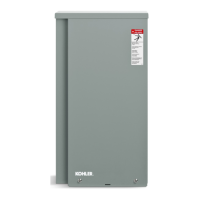
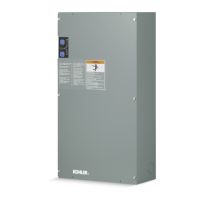
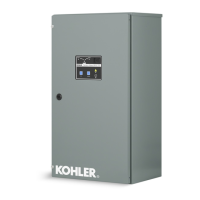
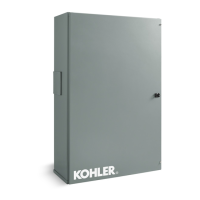
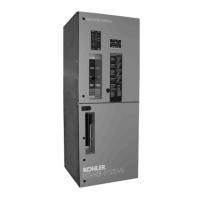
The Model RSB Intelligent Transfer Switch is intended
for use in an optional standby power system to allow a
homeowner to switch between utility and generator
power by means of an integrated automatic transfer
mechanism.
The MPACt 550 controller monitors utility power for
interruptions. When utility power is lost, the controller
signals the generator set to start. The transfer
mechanism switches pre-determined electrical
components to the generator.
When utility power is restored, the MPACt 550
controller commands the transfer mechanism to switch
the electrical load back to the utility and shuts down the
generator set.
The Intelligent Transfer Switch is available in two
enclosures, accommodating up to 40 (Type 1) or 28
(Type 3R) branch circuits selected by the user for
backup power. It is suitable for service entrance or
sub-panel use.
FCC Statement
This transfer equipment has been tested and found to
comply with the limits for a Class B digital device,
pursuant to Part 15 of the FCC Rules. These limits are
designed to provide reasonable protection against
harmful interference in a residential installation. This
transfer equipment generates and can radiate radio
frequency energy and, if not installed and used in
accordance with the instructions, may cause harmful
interference to radio communications. However, there
is no guarantee that interference will not occur in a
particular installation.
If this transfer equipment does cause harmful
interference to radio or television reception, the user is
encouraged to try to correct the interference by one or
more of the following measures:
D Reorient or relocate the receiving antenna.
D Increase the separation between the transfer
equipment and the receiver.
D Connect the receiver into an outlet on a different
circuit.
D Consult the receiver dealer or an experienced radio/
TV technician for help.
D Do not make changes or modifications to the transfer
equipment that are not expressly approved by Kohler
Co. Any changes or modifications may result in the
loss of authority to operate the equipment.



 To Next Page
 Loading...