EasyManua.ls Logo

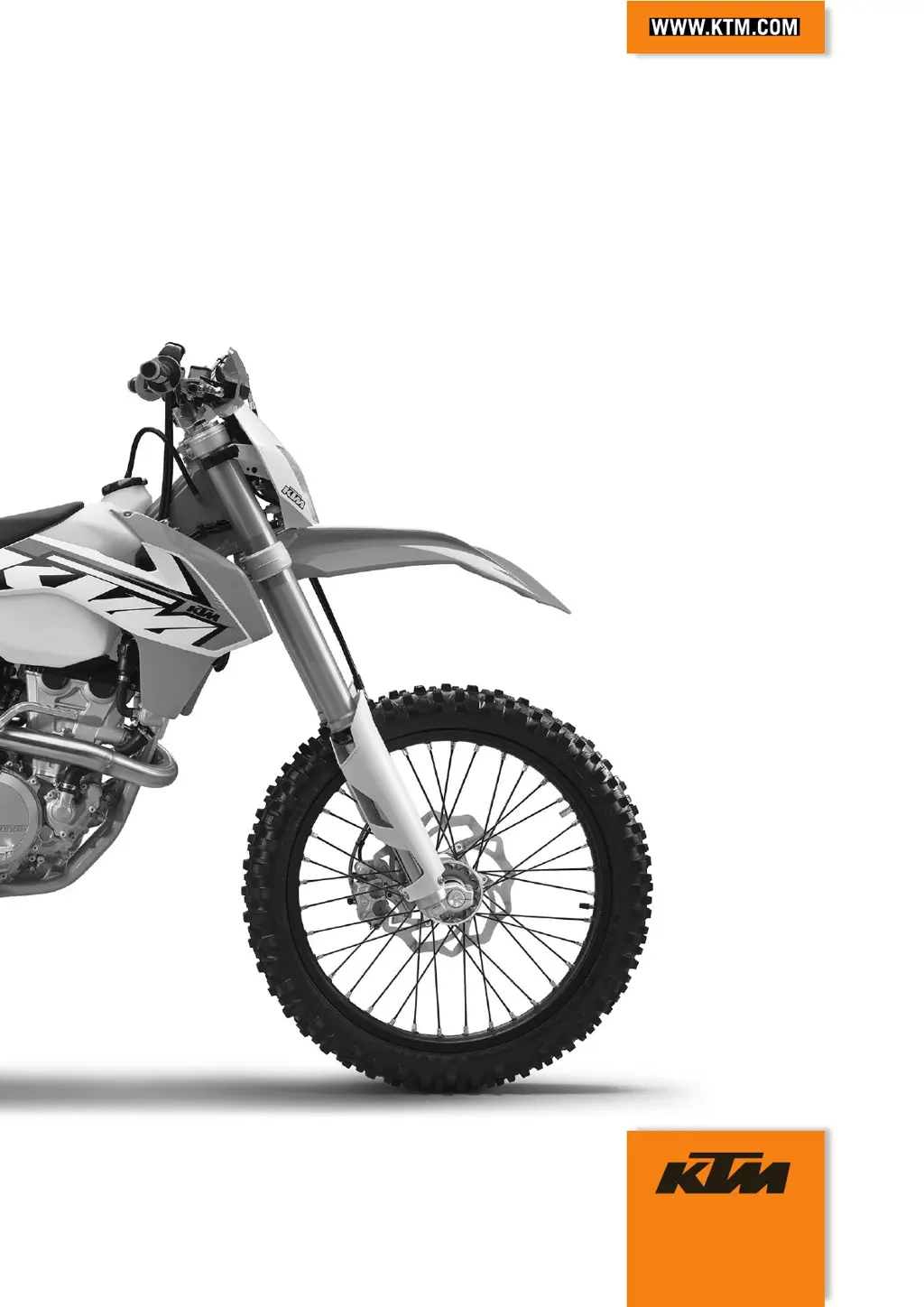
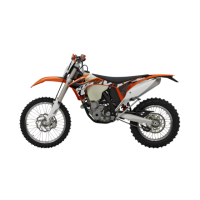
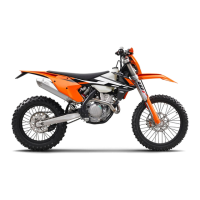
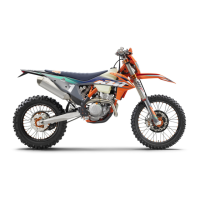
KTM 350 EXC-F - User Manual

KTM 350 EXC-F
130 pages
Print Icon
To Next Page IconTo Next Page
Loading...
OWNER'S MANUAL 2015
350 EXCF EU
350 EXCF Six Days EU
350 EXCF Factory Edition EU
350 EXCF AU
350 EXCF BR
350 XCFW US
350 XCFW Six Days US
Art. no. 3213235en

Table of Contents

Other manuals for KTM 350 EXC-F

Questions and Answers

  • J
    Julie CoffeyAug 19, 2025
    What to do if KTM 350 EXC-F engine turns but does not start?
    • T
      Tiffany HawkinsAug 20, 2025
      If your KTM Motorcycle engine turns over but doesn't start, several issues could be the cause. Ensure you are following the correct start procedure. Check that the fuel hose connection is properly connected. Blown fuses 1 or 2 can also prevent starting, so replace them. The idle speed might not be correctly set, requiring adjustment. The spark plug could be oily or wet, needing cleaning, drying, or replacement. Also, verify the spark plug electrode distance (plug gap) and adjust it to the recommended 0.8 mm (0.031 in). Other potential causes include a defective ignition system, a frayed short-circuit cable in the wiring harness, a defective kill switch or emergency OFF switch, or a defect in the fuel injection system.
  • R
    Robert EllisAug 21, 2025
    Why doesn't my KTM Motorcycle engine speed up?
    • G
      Gary NguyenAug 22, 2025
      If your KTM Motorcycle engine isn't speeding up, it could be due to a defect in the fuel injection system. It may also be caused by a defective ignition system. Check the ignition coil's secondary winding, the spark plug connector, and the alternator's stator winding.
  • M
    Marie RasmussenAug 25, 2025
    What to do if my KTM 350 EXC-F engine turns but does not start?
    • A
      Alexis SmithAug 25, 2025
      If your KTM Motorcycle engine turns but doesn't start, several factors could be at play. It could be due to an operating error, so ensure you're following the correct start procedure. Check the fuel hose connection is joined together. Also, inspect fuses 1 and 2, replacing them if blown. Other potential causes include an incorrectly set idle speed (adjust accordingly), a spark plug that's oily or wet (clean, dry, or replace it), or a spark plug electrode gap that's too wide (adjust to 0.8 mm (0.031 in)).
  • T
    thomasfrankAug 26, 2025
    What to do if KTM Motorcycle engine does not speed up?
    • C
      Cameron YoungAug 26, 2025
      If your KTM Motorcycle engine isn't speeding up, the issue could stem from a defect in the fuel injection system, in which case read out the fault memory using the KTM diagnostics tool. Another possibility is a defective ignition system; in this case, check the secondary winding of the ignition coil.
  • W
    wthompsonAug 27, 2025
    What to do if the KTM 350 EXC-F engine cannot be cranked using the electric starter?
    • W
      wagnerashleyAug 28, 2025
      If the KTM Motorcycle engine won't crank with the electric starter, it could be due to several reasons. You might not be following the correct start procedure. The battery could be discharged, requiring a charge, voltage check, closed current check, and alternator stator winding inspection. A blown main fuse could also be the culprit, so replace it. Finally, the starter relay or the starter motor themselves could be defective and require inspection.
  • W
    Wesley WhiteAug 29, 2025
    Why does my KTM 350 EXC-F Motorcycle engine die during the trip?
    • C
      Cynthia ReeseAug 29, 2025
      Your KTM Motorcycle engine might die during a trip for several reasons. You may be running out of fuel, so refuel your motorcycle. A blown fuse 1 or 2 could also be the problem, requiring replacement. Low coolant level in the cooling system can cause the engine to stop, so check for leaks and the coolant level. Insufficient airflow can also cause the engine to die, so switch off the engine when stationary.
  • A
    Aaron McdonaldAug 31, 2025
    Why is my KTM 350 EXC-F battery discharged?
    • L
      Lori MitchellSep 1, 2025
      A KTM Motorcycle battery can discharge if the alternator isn't charging it properly. Check the charging voltage and the stator winding of the alternator. Another cause could be an undesired power consumer draining the battery, so you should check the closed current.
  • L
    Linda CordovaSep 2, 2025
    Why is my KTM 350 EXC-F engine overheating?
    • C
      campbellhannahSep 2, 2025
      Your KTM Motorcycle engine could be overheating due to several reasons. There might be foam formation in the cooling system, requiring you to drain and refill the coolant. A bent radiator hose can also cause overheating, so replace it. The thermostat could be defective, so check it. A defect in the radiator fan system can also lead to overheating; check the radiator fan fuse (fuse 4) and the radiator fan itself.
  • O
    ohallSep 4, 2025
    Why does my KTM Motorcycle engine have too little power?
    • D
      Debra MillerSep 5, 2025
      If your KTM Motorcycle engine has too little power, it might be because the air filter is heavily contaminated, so clean the air filter and air filter box. The fuel filter or fuel screen could be very dirty, so change them. A defect in the fuel injection system can also cause power loss. Additionally, check the exhaust system for leaks or deformation, and consider changing the glass fiber yarn filling of the main silencer. Finally, insufficient valve clearance or a defective ignition system can also contribute to low power.
  • S
    Shelley KirkSep 6, 2025
    Why does the FI warning lamp light up/flash on my KTM 350 EXC-F Motorcycle?
    • B
      Bobby EvansSep 6, 2025
      If the FI warning lamp (MIL) lights up or flashes on your KTM Motorcycle, it indicates a defect in the fuel injection system. Stop the motorcycle and identify the faulty part using the blink code. Check the cabling for damage and the electrical plug-in connectors for corrosion and damage.

Summary

Safety Advice and Warnings

Intended Use of Motorcycle

Defines the intended use for EXC-F and XCF-W models, including competitive and offroad use.

General Safety Instructions

Emphasizes reading the manual and adhering to safety instructions for safe operation.

Risk Levels and Warning Symbols

Explains the different degrees of risk (Danger, Warning, Caution, Note) and their associated symbols.

Tampering with Noise Control System

Details prohibited acts related to tampering with the noise control system.

Safe Operation Guidelines

Provides essential safety advice for operating the motorcycle, including dangers of accidents, poisoning, and burns.

Mandatory Protective Clothing

Highlights the importance of wearing protective clothing for injury prevention during operation.

Owners Manual Importance

Stresses reading the manual for operation, handling, maintenance, and safety tips.

Important Notes and Information

Warranty and Guarantee Conditions

Explains warranty validity, conditions for claims, and the need for authorized workshop service.

Vehicle Service and Maintenance

Emphasizes the importance of proper service, care, and tuning for vehicle operation and longevity.

Motorcycle Controls and Switches

Kill Switch Operation (EXC-F Models)

Explains the kill switch function on the left handlebar for starting and stopping the engine.

Kill Switch Operation (EXC-F Six Days)

Details the kill switch function on the left handlebar for EXC-F Six Days models.

Kill Switch Operation (XCF-W Models)

Describes the kill switch function on the left handlebar for XCF-W models.

Speedometer Functions and Settings

Preparing Motorcycle for First Use

Initial Motorcycle Usage Advice

Provides crucial safety advice for first-time riders, including controls and handling.

First Ride Safety and Handling

Covers advice on weight distribution, load limits, spoke tension, and engine break-in.

Engine Break-In Procedure

Details the recommended engine speed and performance limits during the initial operating hours.

Motorcycle Operation and Riding

Pre-Ride Checks and Maintenance

Lists essential checks and maintenance tasks before riding the motorcycle.

Engine Starting Procedure

Provides instructions and safety warnings for starting the motorcycle's engine.

Braking Techniques and Safety

Details safe braking techniques, potential hazards, and checks for brake system efficiency.

Fueling the Motorcycle Safely

Details safe refueling procedures, fuel types, and environmental warnings.

Scheduled Maintenance Intervals

Regular Service Schedule

Lists periodic maintenance tasks based on operating hours or time intervals.

Chassis Tuning and Suspension Adjustment

Basic Suspension Setting Rider Weight

Explains how to adjust basic suspension settings based on rider weight.

Adjusting Low-Speed Shock Compression

Provides instructions for adjusting the low-speed compression damping of the shock absorber.

Low-Speed Shock Compression Adjustment Details

Details the adjustment process for low-speed compression damping with click settings.

Adjusting High-Speed Shock Compression

Guides on adjusting the high-speed compression damping of the shock absorber.

Adjusting Shock Absorber Rebound Damping

Provides instructions for adjusting the rebound damping of the shock absorber.

Adjusting Shock Absorber Spring Preload

Provides steps for adjusting the spring preload of the shock absorber using the adjusting ring.

Adjusting Fork Compression Damping

Explains how to adjust fork compression damping for different ride types (Comfort, Standard, Sport).

Adjusting Fork Rebound Damping

Guides on adjusting fork rebound damping for different ride types (Comfort, Standard, Sport).

Fork Spring Preload Adjustment (EXC-F;XCF-W)

Details fork spring preload adjustment for various EXC-F and XCF-W models.

Fork Spring Preload Adjustment (EXC-F Factory Edition)

Details fork spring preload adjustment for EXC-F Factory Edition models.

Fork Spring Preload Adjustment (Six Days Models)

Details fork spring preload adjustment for All Six Days models.

Chassis Service and Maintenance Procedures

Checking Steering Head Bearing Play

Explains how to check for play in the steering head bearing and the risks of incorrect adjustment.

Adjusting Steering Head Bearing Play (EXC-F;XCF-W)

Provides steps to adjust steering head bearing play for specific EXC-F and XCF-W models.

Adjusting Steering Head Bearing Play (Factory;Six Days)

Details adjusting steering head bearing play for Factory Edition and Six Days models.

Checking Chain Tension

Explains how to check chain tension and the consequences of incorrect tension.

Adjusting Chain Tension

Provides steps for adjusting chain tension and the importance of correct tension.

Hydraulic Clutch Fluid Level Check

Guides on checking and correcting the fluid level in the hydraulic clutch reservoir.

Brake System Maintenance and Checks

Checking Front Brake Lever Free Travel

Explains how to check the free travel of the hand brake lever and its importance for safety.

Adjusting Front Brake Lever Free Travel (EXC-F)

Provides steps for adjusting the free travel of the front brake lever for EXC-F models.

Adjusting Front Brake Lever Position (XCF-W)

Guides on adjusting the basic position of the front brake lever for XCF-W models.

Checking Brake Disc Wear and Condition

Details how to check brake discs for thickness, damage, cracking, and deformation.

Checking Front Brake Fluid Level

Explains how to check the front brake fluid level and indicators of leaks or worn linings.

Adding Front Brake Fluid

Provides instructions and warnings for adding front brake fluid.

Checking Front Brake Linings

Guides on checking front brake linings for minimum thickness, damage, and cracking.

Changing Front Brake Linings

Details the process for changing the front brake linings, including safety precautions.

Checking Rear Brake Lever Free Travel

Explains how to check the free travel of the foot brake lever and its relation to brake system failure.

Adjusting Rear Brake Lever Position

Provides steps to adjust the basic position of the foot brake lever.

Rear Brake Lever Position Adjustment Details

Continues the adjustment of the foot brake lever, including free travel and nut tightening.

Checking Rear Brake Fluid Level

Explains how to check the rear brake fluid level and indicators of issues.

Adding Rear Brake Fluid

Provides instructions and warnings for adding rear brake fluid.

Checking Rear Brake Linings

Guides on checking rear brake linings for minimum thickness, damage, and cracking.

Changing Rear Brake Linings

Details the process for changing the rear brake linings, including safety precautions.

Wheels and Tires Maintenance

Checking Tire Air Pressure

Explains the importance of correct tire air pressure and the procedure for checking it.

Electrical System Maintenance and Troubleshooting

Charging the Motorcycle Battery

Explains battery charging procedures, safety warnings, and maintenance tips for battery life.

Changing the Main Fuse

Guides on locating and replacing the main fuse for the vehicle's power consumers.

Changing Fuses for Power Consumers

Details how to locate and change fuses for individual power consumers in the fuse box.

Cooling System Maintenance

Checking Antifreeze and Coolant Level

Provides safety warnings and procedures for checking antifreeze and coolant levels.

Checking Coolant Level in Radiator

Details how to check the coolant level in the radiator and correct it if necessary.

Engine Tuning and Adjustments

Adjusting Engine Idle Speed

Guides on adjusting the engine's idle speed using the adjusting screw.

Engine Service and Maintenance

Checking Engine Oil Level

Explains how to check the engine oil level and the importance of correct oil level.

Engine Oil and Filter Change

Details the process for changing engine oil, oil filter, and cleaning the oil screen.

Engine Oil Change Steps and Specifications

Continues oil change process, including oil filter housing, oil type, and final checks.

Adding Engine Oil

Provides instructions for adding engine oil, including oil types and safety warnings.

Troubleshooting Common Faults

Troubleshooting: Engine Wont Crank

Lists possible causes and actions for when the electric starter does not crank the engine.

Troubleshooting: Engine Turns But Wont Start

Covers common issues when the engine cranks but fails to start.

Troubleshooting: Engine Lacks Power

Addresses causes for lack of engine speed or power, such as fuel or ignition issues.

Troubleshooting: Engine Stalls During Ride

Lists potential causes and solutions for the engine stalling while riding.

Troubleshooting: Engine Overheating

Addresses causes of engine overheating, such as coolant level and airflow issues.

Troubleshooting: FI Warning Lamp

Explains the FI warning lamp and how to diagnose issues using blink codes and fault memory.

Troubleshooting: High Oil Consumption

Addresses possible causes for high engine oil consumption, like bent vent hoses or worn parts.

Troubleshooting: Discharged Battery

Covers issues related to a discharged battery, including charging system faults.

Troubleshooting: Lighting System Failure

Addresses issues where lighting components are not working, often related to fuses.

FI Warning Lamp Blink Codes

Engine Sensor Faults (Codes 02, 06, 09, 12, 13, 15)

Diagnoses engine sensor faults based on FI warning lamp blink codes.

Ignition and Fuel System Faults (Codes 17, 33, 37, 41)

Diagnoses ignition and fuel system faults based on FI warning lamp blink codes.

Lambda Sensor Heater Faults (Code 45)

Diagnoses lambda sensor heater circuit faults based on FI warning lamp blink code 45.

Technical Specifications and Data

Engine Component Tightening Torques

Provides a table of torque specifications for various engine components.

Engine Fastener Torque Specifications

Continues the table of torque specifications for engine fasteners.

Chassis Fastener Tightening Torques

Provides a table of torque specifications for various chassis components.

Chassis Torque Specifications Table

Continues the table of torque specifications for chassis fasteners.

KTM 350 EXC-F Specifications

General IconGeneral
Displacement349.7 cm³
Bore x Stroke88 mm x 57.5 mm
CoolingLiquid cooled
Transmission6-speed
StarterElectric starter
Front SuspensionWP XPLOR-USD, Ø 48 mm
Rear SuspensionWP XPLOR PDS shock absorber
Ground Clearance370 mm
Seat Height960 mm
Compression Ratio13.5:1
ABSNo
Engine TypeSingle cylinder, 4-stroke
FrameCentral double-cradle type 25CrMo4 steel
Front BrakeDisc brake
Rear BrakeDisc brake, 220 mm
Fuel SystemKeihin EFI, throttle body 42 mm
Final Drive520 X-Ring

Related product manuals