EasyManua.ls Logo

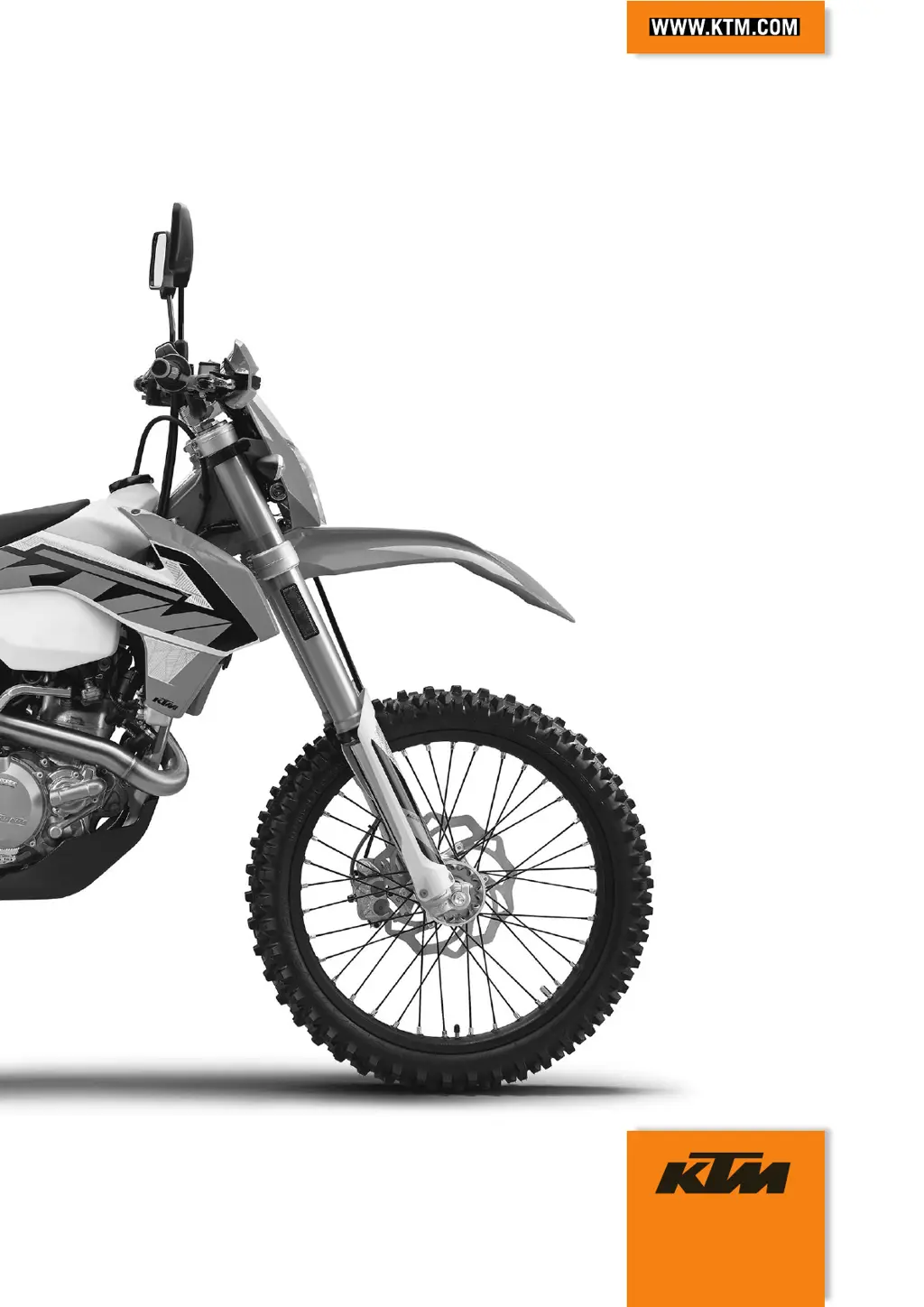
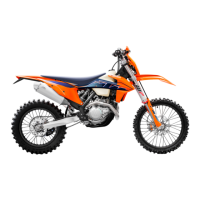
KTM 500 EXC US - User Manual

KTM 500 EXC US
132 pages
Print Icon
To Next Page IconTo Next Page
Loading...
OWNER'S MANUAL 2016
500 EXC US
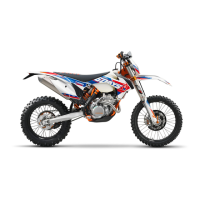
500 EXC Six Days US
Art. no. 3213339en

Table of Contents

Questions and Answers

  • J
    Jeffrey MartinezAug 18, 2025
    What to do if my KTM Motorcycle engine cannot be cranked using the electric starter?
    • P
      Peter ByrdAug 18, 2025
      If your KTM Motorcycle engine won't crank with the electric starter, possible causes include an operating error (ensure you're following the correct start procedure), a discharged battery (charge the battery, and check the charging voltage, closed current, and stator winding of the alternator), a blown main fuse (replace the main fuse), a blown fuse 3 (replace the fuses of individual power consumers), a defective starter relay (check the starter relay), or a defective starter motor (check the starter motor).
  • E
    Erica SmithAug 20, 2025
    What to do if my KTM Motorcycle engine turns but does not start?
    • M
      markbaxterAug 21, 2025
      If your KTM Motorcycle engine turns over but doesn't start, consider these potential issues: an operating error (ensure you're following the correct start procedure), disconnected fuel hose (connect the plug-in connection of the fuel line), blown fuse 1 or 2 (replace the fuses of individual power consumers), incorrect idle speed (adjust the idle speed), oily or wet spark plug (clean and dry the spark plug, or replace it), incorrect spark plug gap (adjust the plug gap to 0.9 mm), defective ignition system (check the ignition system), frayed wiring harness or defective kill/emergency switch (check the wiring harness visually and the electrical system), or a defect in the fuel injection system (read out the fault memory using the KTM diagnostics tool).
  • L
    Lauren BennettAug 23, 2025
    Why does my KTM Motorcycle engine die during the trip?
    • C
      christopher44Aug 23, 2025
      If your KTM Motorcycle engine dies during a trip, the possible causes are: lack of fuel (refuel), blown fuse 1 (replace the fuses of individual power consumers), blown fuse 2 (replace the fuses of individual power consumers), or blown fuse 3 (replace the fuses of individual power consumers).
  • L
    Laura HollowayAug 26, 2025
    Why does my KTM 500 EXC US engine not speed up?
    • R
      Rebecca TurnerAug 26, 2025
      If your KTM Motorcycle engine does not speed up, possible causes include a defect in the fuel injection system (read out the fault memory using the KTM diagnostics tool) or a defective ignition system (check the secondary winding of the ignition coil, the spark plug connector, and the stator winding of the alternator).
  • V
    vincentmartinezAug 28, 2025
    Why does my KTM 500 EXC US engine overheat?
    • B
      Beth ChanAug 28, 2025
      Your KTM Motorcycle engine might be overheating due to several reasons: low coolant level (check for leaks and verify the coolant level), insufficient airflow (switch off the engine when stationary), dirty radiator fins (clean the radiator fins), foam formation in the cooling system (drain and refill the coolant), a bent radiator hose (replace the radiator hose), a defective thermostat (check the thermostat), or a defect in the radiator fan system (check the radiator fan fuse, fuse 4, and the radiator fan itself).
  • G
    gperezAug 30, 2025
    Why does my KTM Motorcycle have too little power?
    • E
      etaylorAug 30, 2025
      If your KTM Motorcycle has too little power, it could be due to a heavily contaminated air filter (clean the air filter and air filter box), a very dirty fuel filter (change the fuel filter), a very dirty fuel screen (change the fuel screen), a defect in the fuel injection system (read out the fault memory using the KTM diagnostics tool), a leaky or deformed exhaust system or too little glass fiber yarn filling in the main silencer (check the exhaust system for damage and change the glass fiber yarn filling in the main silencer), too little valve clearance (adjust the valve clearance), or a defective ignition system (check the ignition coil, spark plug connector, and stator winding of the alternator).
  • J
    Jennifer McintoshSep 2, 2025
    Why does my KTM 500 EXC US have high oil consumption?
    • R
      Ryan GarciaSep 2, 2025
      High oil consumption in your KTM Motorcycle could be caused by a bent engine vent hose (route the vent hose without bends or replace it), an engine oil level that is too high (check the engine oil level), engine oil that is too thin (change the engine oil and oil filter and clean the oil screens), or worn piston and cylinder (measure the piston/cylinder mounting clearance).
  • K
    Kenneth GreenSep 4, 2025
    What does it mean when the FI warning lamp (MIL) lights up/flashes on my KTM Motorcycle?
    • X
      xmitchellSep 4, 2025
      If the FI warning lamp (MIL) is lighting up or flashing on your KTM Motorcycle, it indicates a defect in the fuel injection system. Stop the motorcycle, identify the faulty part using the blink code, check the cabling for damage and the electrical plug-in connectors for corrosion and damage, or read out the fault memory using the KTM diagnostics tool.
  • W
    William RodriguezSep 7, 2025
    Why is my KTM Motorcycle battery discharged?
    • S
      Stacey ChapmanSep 7, 2025
      A discharged battery in your KTM Motorcycle can occur because the battery is not being charged by the alternator (check the charging voltage and the stator winding of the alternator), or due to an undesired power consumer (check the closed current).
  • M
    Michele CallahanSep 9, 2025
    Why are the high beam, low beam, parking light, tail light, license plate lamp, speedometer, horn, brake light, turn signal, and radiator fan (optional) not functioning on my KTM 500 EXC US Motorcycle?
    • C
      Christine WilliamsSep 9, 2025
      If the high beam, low beam, parking light, tail light, license plate lamp, speedometer, horn, brake light, turn signal, and radiator fan (optional) are not functioning on your KTM Motorcycle, the cause is likely a blown fuse 4. Replace the fuses of individual power consumers.

Summary

Means of Representation

Symbols Used

Explains the meaning of specific symbols used in the manual.

Formats Used

Explains the typographical formats used within the document.

Safety Advice

Use Definition and Intended Use

Defines the intended use and operating parameters for the motorcycle.

Degrees of Risk and Symbols

Details risk levels and associated warning symbols for safety.

Overview of Labels

Illustrates and describes various warning and information labels on the vehicle.

Reporting Safety Defects

Instructions on how to report vehicle defects that could cause accidents.

Safe Operation

Provides guidance on safe operating practices and considerations.

Protective Clothing

Emphasizes the importance and necessity of wearing protective gear.

Important Notes

Guarantee and Warranty

Outlines conditions and procedures for guarantee and warranty claims.

Operating and Auxiliary Substances

Specifies required operating fluids and their safe handling.

Service

Highlights the importance of proper service for performance and longevity.

View of Vehicle

Front Left View

Identifies key components of the vehicle from the front left perspective.

Rear Right View

Identifies key components of the vehicle from the rear right perspective.

Serial Numbers

Chassis Number

Location and identification of the vehicle's chassis number.

Engine Number

Location and identification of the vehicle's engine number.

Key Number

Information on locating the key number for replacement key orders.

Controls

Clutch Lever

Description and function of the clutch lever.

Hand Brake Lever

Description and function of the front brake hand lever.

Light Switch

Operation of the light switch for different beam settings.

Emergency OFF Switch

Function and positions of the emergency OFF switch.

Ignition Lock

Location and operation of the ignition lock for starting the vehicle.

Fuel Tank Filler Cap

Instructions on how to open and close the fuel tank filler cap.

Steering Lock

Location and function of the steering lock mechanism.

Speedometer Functions

Speedometer Overview

General overview of the speedometer display and buttons.

Setting Kilometers or Miles

How to change the unit of measurement for distance.

Setting the Clock

Procedure for setting the current time on the speedometer.

Display Mode SPEED;H (Service Hours)

Explains the display mode for engine service hours.

Setting the Unit of Measurement

Changing the unit of measurement (e.g., Km/h or Mph).

Preparing for Use

Advice on First Use

Essential safety and operational advice for initial use of the vehicle.

Running-in the Engine

Guidelines for the engine's break-in period to ensure longevity.

Preparing for Difficult Riding Conditions

Steps for preparing the vehicle for various challenging terrains and conditions.

Riding Instructions

Checks and Maintenance Work Before Riding

Pre-ride checks and maintenance tasks for safe operation.

Starting the Engine

Procedures for safely starting the motorcycle's engine.

Shifting and Riding Techniques

How to shift gears and maintain stable riding.

Braking Techniques and Precautions

Techniques and precautions for effective braking.

Refueling Procedures

Instructions and safety precautions for refueling the fuel tank.

Service Schedule

Service Schedule Intervals

Lists maintenance tasks and their recommended intervals for optimal performance.

Tuning the Chassis

Checking Basic Suspension Setting

How to adjust suspension based on rider weight for optimal handling.

Adjusting Shock Absorber Damping

Explanation of compression and rebound damping adjustments.

Adjusting Fork Damping and Preload

Procedures to adjust fork damping and spring preload.

Handlebar Position Adjustment

Procedure for adjusting the handlebar position.

Service Work on the Chassis

Removing;Installing Front Fork Legs

Step-by-step guide to removing and installing the front fork legs.

Checking and Adjusting Steering Head Bearing Play

How to check and adjust steering head bearing play.

Removing;Installing Shock Absorber

Steps to remove and install the rear shock absorber.

Air Filter Maintenance

Procedures for cleaning and maintaining the air filter.

Chain Maintenance (Checking and Adjusting Tension)

How to check and adjust drive chain tension and condition.

Fuel Tank Removal and Installation

Steps to remove and install the motorcycle's fuel tank.

Brake System

Checking and Adjusting Brake Lever Free Travel

How to check and adjust free play in brake levers.

Checking and Changing Brake Linings

How to check and replace brake linings.

Checking and Adding Brake Fluid

How to check and replenish brake fluid levels.

Wheels and Tires

Removing and Installing Wheels

Step-by-step guides for front and rear wheel removal/installation.

Checking Tire Condition and Air Pressure

How to inspect tire condition and adjust air pressure.

Checking Spoke Tension

Method for checking and adjusting spoke tension for wheel balance.

Electrical System

Battery Maintenance (Removal, Installation, Charging)

Procedures for battery care, including removal, installation, and charging.

Fuse Replacement (Main and Individual)

How to locate and replace main and individual fuses.

Headlight and Turn Signal Bulb Replacement

Procedures for replacing headlight and turn signal bulbs.

Headlight Setting Adjustment

How to check and adjust the headlight beam alignment.

Speedometer Battery Replacement

Procedure for replacing the battery in the speedometer unit.

Cooling System

Checking Coolant Level and Antifreeze

How to check coolant level and antifreeze protection.

Draining and Refilling Coolant

Steps to safely drain and refill the cooling system.

Tuning the Engine

Throttle Cable Play Adjustment

How to check and adjust throttle cable play for proper response.

Idle Speed Adjustment

How to set the engine's idle speed.

Service Work on the Engine

Fuel Screen Replacement

Steps to replace the fuel filter screen.

Engine Oil Level Check

How to check the engine oil level.

Engine Oil and Filter Change

Procedure for changing engine oil, filter, and cleaning oil screens.

Cleaning and Care

Motorcycle Cleaning Procedures

Guidelines for washing and cleaning the motorcycle.

Winter Operation Maintenance

Maintenance procedures for protecting the vehicle during winter storage.

Storage

Long-Term Storage Preparation

Steps for preparing the motorcycle for long-term storage.

Preparing for Use After Storage

Procedures for bringing the motorcycle back into service after storage.

Troubleshooting

Engine Starting Issues

Diagnosing and resolving engine starting problems.

Engine Performance Problems

Troubleshooting engine power and acceleration issues.

Engine Overheating and Warning Lamps

Diagnosing engine overheating and interpreting warning lamps.

Battery and Electrical Issues

Troubleshooting battery and general electrical system problems.

Blink Code Diagnostics

FI Warning Lamp Blink Codes

Explains the meaning of various blink codes from the FI warning lamp.

Technical Data

Engine Specifications and Torques

Details on engine specs, including tightening torques.

Chassis Specifications and Torques

Details on chassis components, including tightening torques.

Electrical System and Tire Data

Specifications for electrical system and tire sizes.

Suspension Specifications

Technical details for fork and shock absorber settings.

Substances and Fluids

Fluid Specifications (Brake, Coolant, Oil)

Details on approved brake fluid, coolant, and oil types.

Auxiliary Substances

Recommended Maintenance Products

List of recommended cleaners, lubricants, and additives.

Standards and Classifications

JASO and SAE Standards Explained

Explanation of JASO and SAE standards for motorcycle oils.

List of Abbreviations

Abbreviations Used in Manual

Definitions of common abbreviations used in the manual.

List of Symbols

Warning and Information Symbols

Meanings of yellow, orange, green, and blue symbols.

KTM 500 EXC US Specifications

General IconGeneral
Bore x Stroke95 mm x 72 mm
Transmission6-speed
Seat Height960 mm
ABSNo
Ground Clearance355 mm
StarterElectric starter
Engine Type1-cylinder, 4-stroke engine
PowerNot available
TorqueNot available
Rear SuspensionWP Xplor PDS
Front Brake260 mm disc
Rear Brake220 mm disc
Fuel SystemKeihin EFI

Related product manuals