SULFIDE – LOW RANGE
METHYLENE BLUE METHOD • CODE 3654-02-SC
QUANTITY CONTENTS CODE
2 x 30 *Sulfi de Reagent A *V-4458-G
15 mL *Sulfi de Reagent B *V-4459-E
2 x 60 mL Sulfi de Reagent C 4460-H
2 Pipets, 1.0 mL, plastic 0354
Sulfi de occurs in many well water supplies and sometimes is formed in lakes or
surface waters. In distribution systems, it may be formed as a result of bacterial
action on organic matter under anaerobic conditions. It may also be found in
waters receiving sewage or industrial wastes. Lake muds rich in sulfates produce
hydrogen sulfi de during periods of very low oxygen levels that result from
stagnation. Concentrations of a few hundredths of a part per million (or milligram
per liter) cause a noticeable odor. At low concentrations, this odor is described
as “musty”; at high concentration, as “rotten eggs.” Removal of sulfi de odor is
accomplished by aeration or chlorination. Hydrogen sulfi de, a toxic substance, acts
as a respiratory depressant in both humans and fi sh.
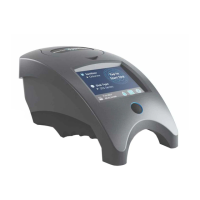
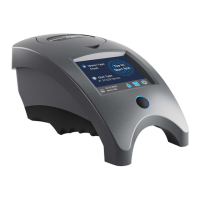
SMART3 Test Procedures 11.10 SULFIDE, Low Range
Test Procedures
www.GlobalTestSupply.com
Find Quality Products Online at: sales@GlobalTestSupply.com






 To Next Page